Staying healthy in Turkey is straightforward for most travelers — it's a modern country with good healthcare in the cities — but a few sensible precautions around water, food, and preparation make for a smoother trip. Here's a practical health guide for American visitors, with the reminder to confirm medical specifics with official sources before you travel.
Tap water and staying hydrated
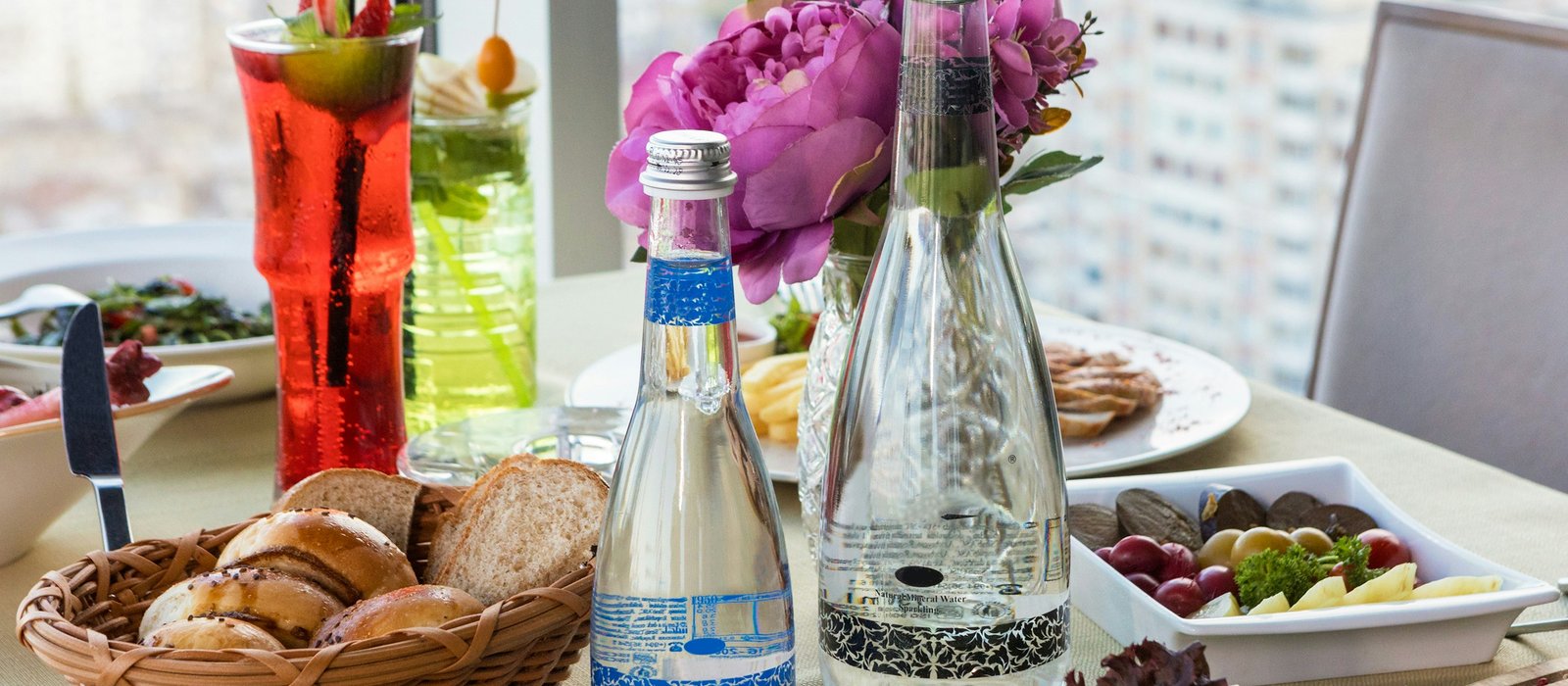
The most common health question: can you drink the tap water? In major cities it's chlorinated and generally considered safe, but it's heavily mineralized and not pleasant-tasting, so nearly everyone — locals included — drinks cheap bottled water. Sticking to bottled water is the easy way to avoid stomach upset, and it's inexpensive and available everywhere. Use bottled or filtered water for drinking; brushing teeth with tap water in major cities is generally fine, but bottled is the cautious choice.
Food safety
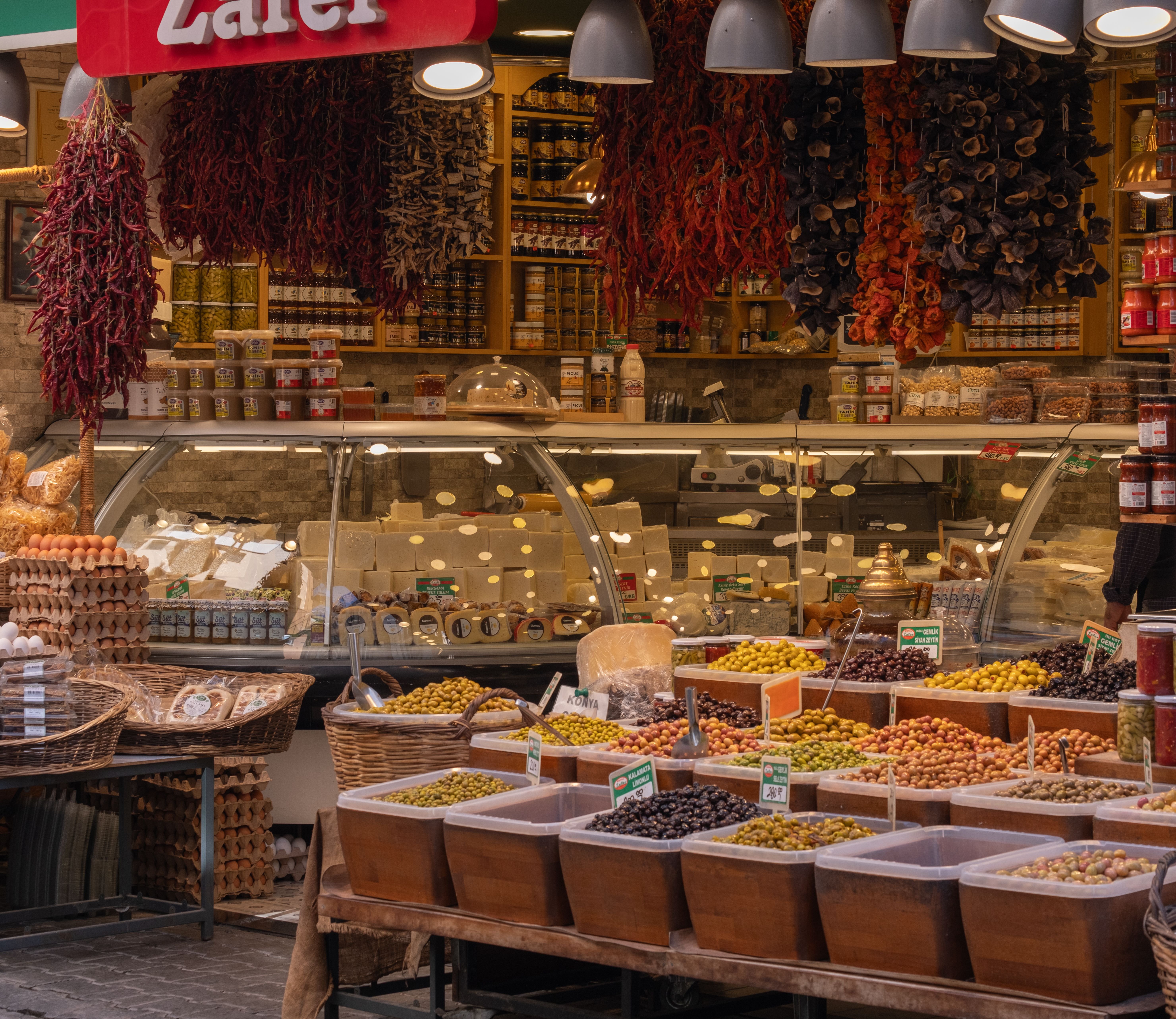
Turkish food is generally very safe, including the street food, which is one of the country's great pleasures. The usual sensible habits apply: eat at busy places with high turnover (fresh food, fast rotation), be a little more cautious with food that's been sitting out, and wash or peel fruit. Most travelers eat widely — street stalls, lokantas, meze — without any issue. A mild stomach adjustment to new food and water is possible, so packing a basic anti-diarrheal and rehydration salts is wise, but serious problems are uncommon.
Vaccines
No vaccines are required for entry to Turkey from the US. You should keep your routine vaccinations current, and the CDC sometimes recommends additional ones such as Hepatitis A and typhoid for some travelers depending on their plans. Because medical recommendations are individual and can change, check the CDC's Turkey page (cdc.gov) and consult your doctor or a travel clinic well before your trip for advice tailored to you. This guide is general information, not medical advice.
The summer sun and other seasonal notes
One genuine, easily-overlooked health factor is the sun. Turkish summers are intense, especially on the coast and at the largely shadeless ancient sites like Ephesus, where midday heat can cause sunburn, dehydration, and heat exhaustion. Pack and use strong sunscreen, a hat, and sunglasses, carry water, and time strenuous sightseeing for the cooler morning and late afternoon. In the shoulder seasons and winter the risk drops, but the high-altitude Cappadocia sun is still strong. Beyond sun, mosquitoes can be a minor nuisance on the summer coast, so pack repellent if you're sensitive. These small, seasonal precautions prevent the most common traveler ailments, which are far more likely to be sunburn or mild dehydration than anything exotic.
Healthcare and pharmacies
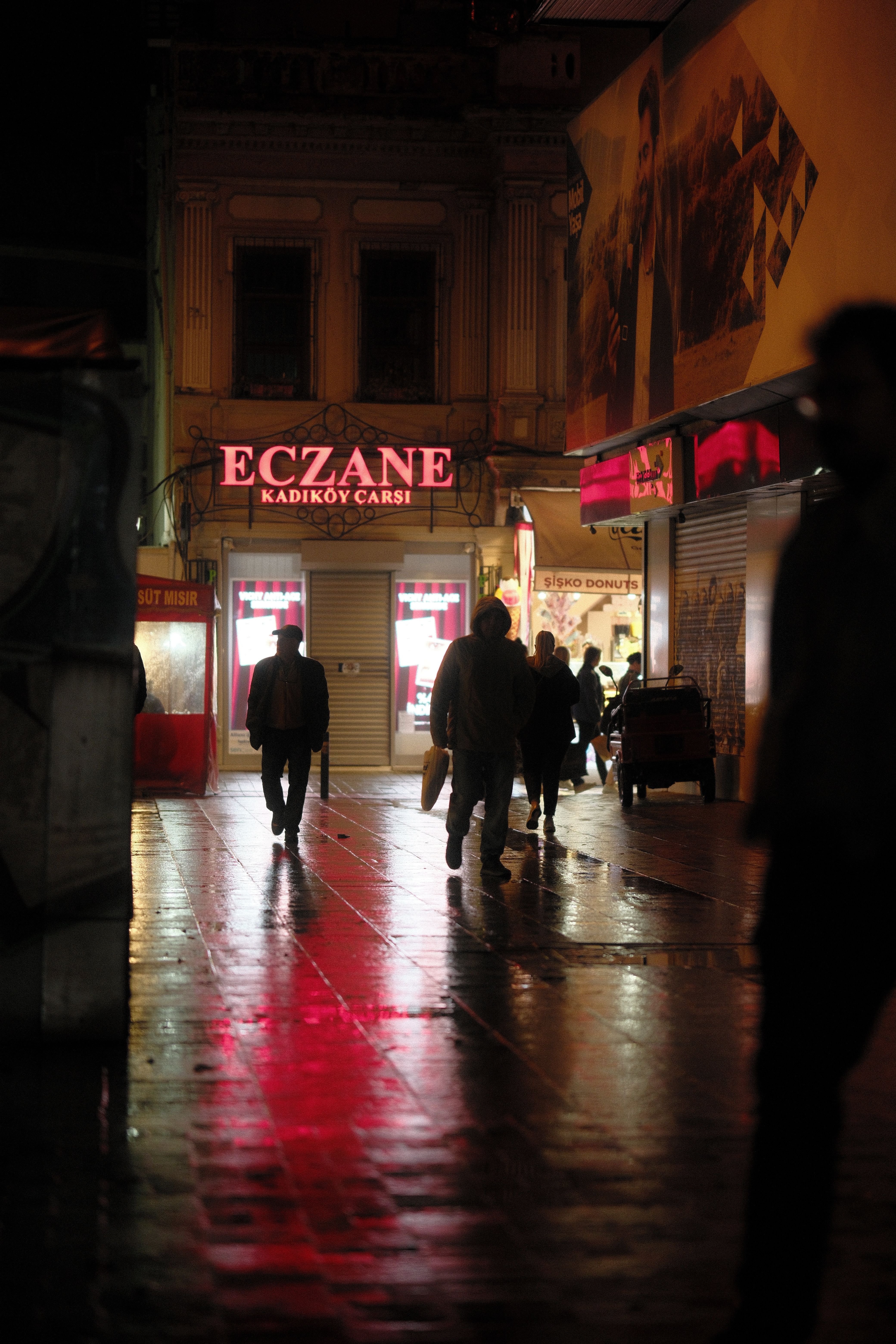
Turkey has good private hospitals in the cities, many with English-speaking staff and high standards (Turkey is even a destination for medical tourism). Pharmacies (eczane) are widespread, well-stocked, and staffed by knowledgeable pharmacists who can help with minor ailments and many medications, sometimes ones that need a prescription back home — a green-cross sign marks them. For anything serious, head to a private hospital in a major city. The emergency number is 112.
Travel insurance and preparation
Strongly consider travel insurance that includes medical coverage — it's inexpensive and worthwhile anywhere, and means a private hospital visit or, in a worst case, evacuation won't be a financial blow. Bring any prescription medications in their original packaging with enough for the trip plus a buffer, along with a copy of the prescription. Pack a small kit with sunscreen (the Turkish sun is strong), any personal medications, and basic remedies. With these simple preparations, the vast majority of travelers stay perfectly healthy and enjoy Turkey's food and water worries-free. For broader safety, see our is Turkey safe guide.
This article is general information for travelers, not medical advice. Consult a doctor or travel clinic and official sources like the CDC for guidance specific to your health and trip.
Common traveler ailments and how to handle them
The ailments most likely to affect a Turkey traveler are minor and manageable. A mild stomach upset from new food or water adjustment is the most common — stick to bottled water, ease into rich and unfamiliar foods, and pack basic anti-diarrheal medication and rehydration salts just in case. Sunburn and dehydration are the summer risks, handled by sun protection and water. Travel fatigue from the packed itineraries and time-zone change is real, so build in rest. For anything beyond the minor, the well-stocked pharmacies (eczane) are an excellent first stop — pharmacists are knowledgeable and can advise or supply remedies — and private hospitals in the cities handle anything serious. With a small medical kit and these simple habits, the overwhelming majority of travelers stay healthy and spend their trip enjoying Turkey rather than worrying about it.
FAQ
Can you drink tap water in Turkey?
In major cities it's chlorinated and generally considered safe, but it's heavily mineralized and unpleasant-tasting, so nearly everyone drinks cheap bottled water. Stick to bottled to avoid stomach upset.
What vaccines do I need for Turkey?
No vaccines are required for entry to Turkey from the US. Keep routine vaccines current; the CDC sometimes recommends Hepatitis A and typhoid for some travelers. Check cdc.gov and your doctor before traveling.
Is the street food safe in Turkey?
Generally yes — eat at busy, high-turnover stalls and stick to bottled water. Most travelers enjoy the street food without any problem.
Is healthcare good in Turkey?
Yes — private hospitals in cities have high standards and English-speaking staff, and pharmacies (eczane) are widespread and helpful. The emergency number is 112. Travel insurance with medical coverage is recommended.