Turkey is a year-round destination, but the right time to go depends on what you want — sightseeing, beaches, balloons, or fewer crowds. The short answer: spring and fall are ideal nearly everywhere. Here's a season-by-season breakdown to help you pick the best time for your trip.
The short answer: spring and fall
The best months to visit Turkey are April, May, September, and October. These shoulder seasons are warm, dry, and comfortable almost everywhere — ideal for sightseeing in Istanbul, hiking the valleys of Cappadocia, exploring ancient ruins, and even early or late beach days on the coast — all with thinner crowds and better value than peak summer. If you can travel in these months, do.
Spring (April–May)
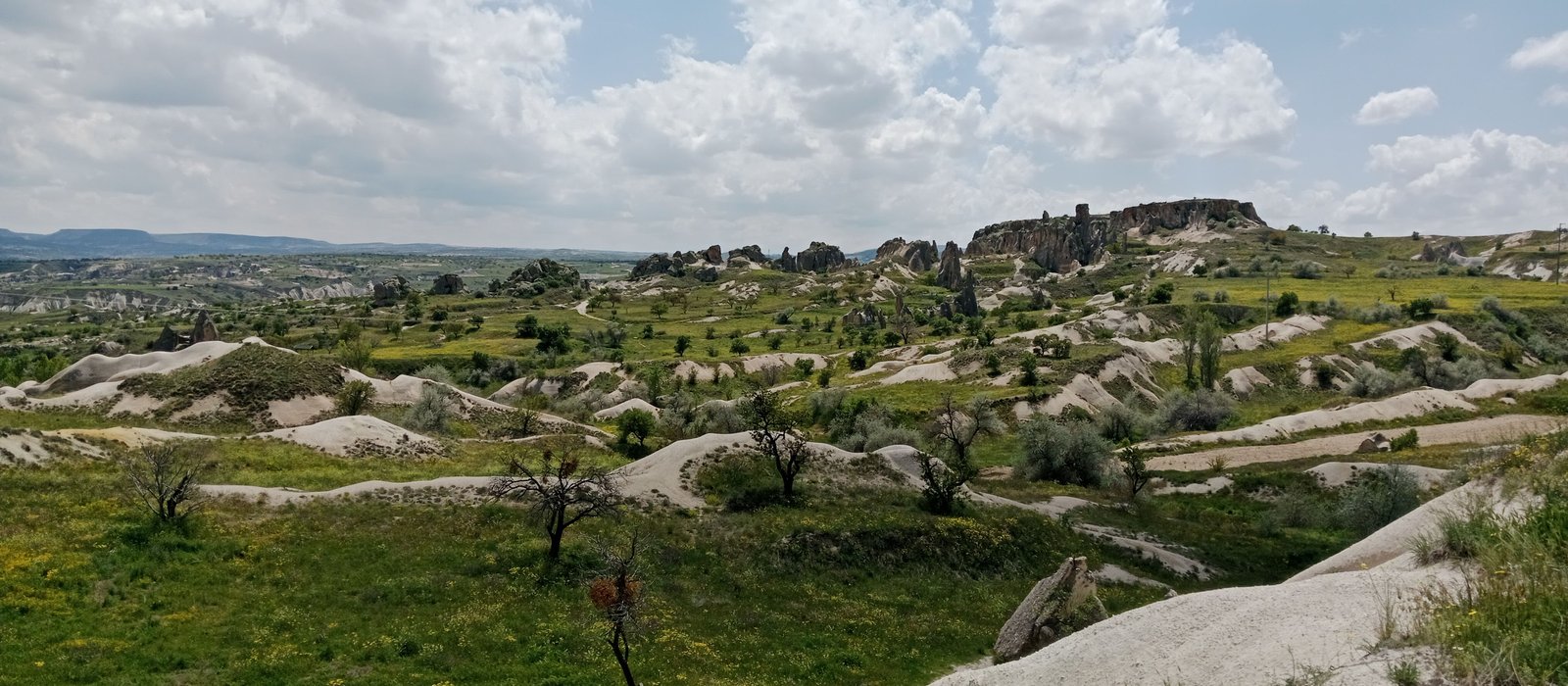
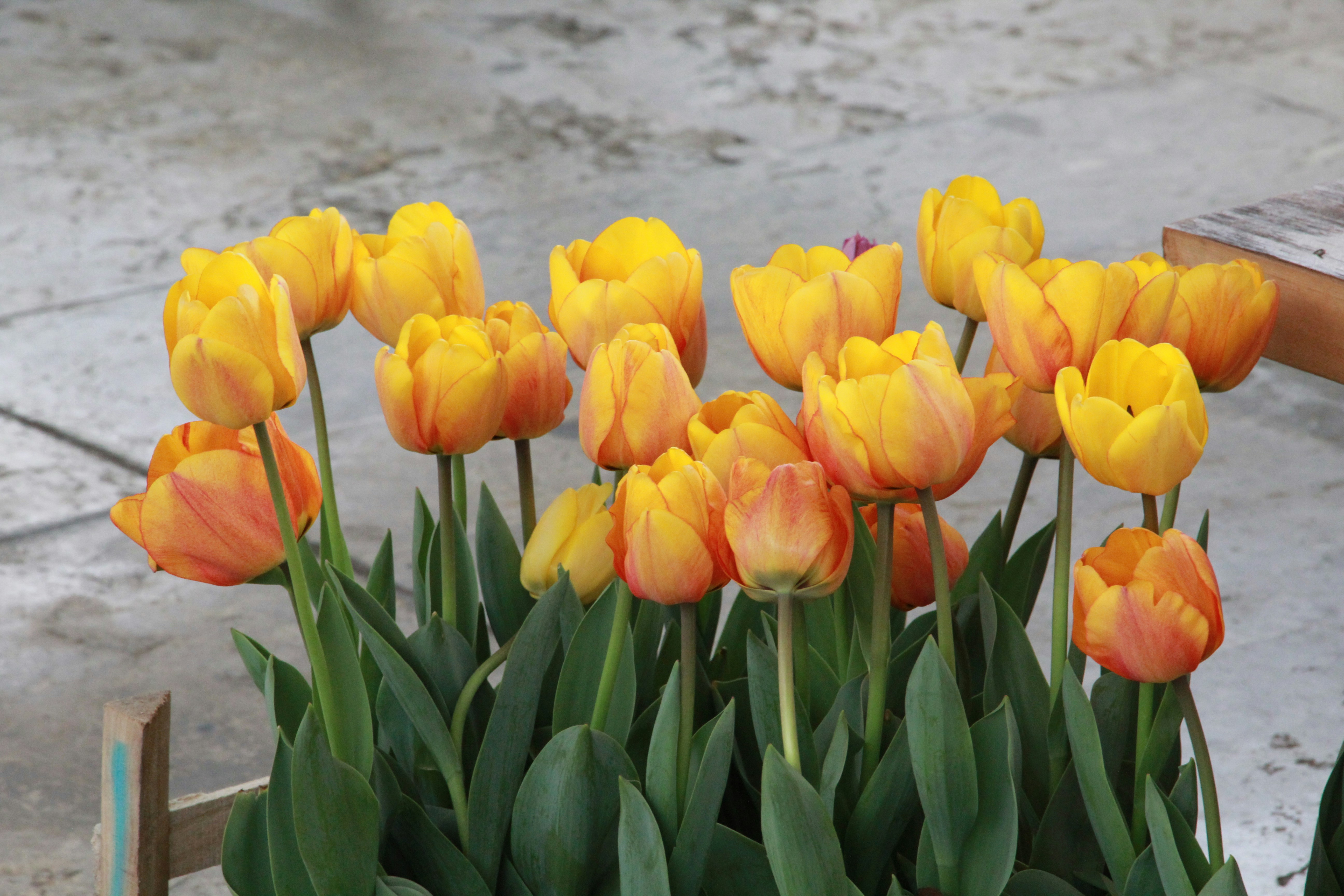
Spring is glorious: wildflowers, mild temperatures, and the famous Istanbul tulip displays in April. It's excellent for the cities, Cappadocia, and the ancient sites, with reliable balloon-flying weather. The sea may still be cool for swimming early in the season, but for a sightseeing-focused trip, spring is hard to beat.
Summer (June–August)
Summer is peak beach season — hot, sunny, and perfect for the Mediterranean and Aegean coasts, which is exactly when the resorts buzz. The trade-off: it's hot and crowded, and midday sightseeing in Istanbul becomes sweaty while the interior (Cappadocia, the east) can be brutally hot. If you come in summer, prioritize the coast, and tackle ruins and cities early in the day. Prices and crowds peak in July and August.
Fall (September–October)
Fall mirrors spring's appeal — warm, settled weather and fewer crowds — with the bonus of a still-warm sea early in the season, making it arguably the best all-rounder. September and October are superb for combining sightseeing with the tail end of beach weather, and the light is beautiful for Cappadocia's balloons.
Winter (November–March)
Winter is the quiet season. It's cold inland — Cappadocia can snow, which is genuinely magical for balloon flights over a white landscape — while Istanbul is chilly and can be gray and rainy, and the coast is mild but subdued, with many resorts winding down. Upsides: the lowest prices, the thinnest crowds at major sights, and a moody atmosphere in the cities. It's a fine time for a culture-focused city trip if you don't mind the chill.
Best time by destination
Turkey's size means the ideal timing shifts a little by region. For Istanbul, spring and fall are most comfortable for walking the city, though it's a year-round destination. For Cappadocia, shoulder seasons offer the most reliable balloon weather, but winter's snow-dusted landscape is uniquely magical (just colder and with occasional weather cancellations). For the Mediterranean and Aegean coasts, the beach season runs late spring through early fall, peaking in hot mid-summer. And for the ancient sites — Ephesus, Pamukkale, the eastern ruins — spring and fall spare you the brutal midday summer heat at these largely shadeless places. If your trip spans several regions, the shoulder seasons are the safest bet for enjoying all of them.
Things to plan around
A couple of dates to note: Ramadan shifts about 11 days earlier each year and can affect some dining hours (though tourist areas largely operate normally), and the two major religious holidays (the Bayram festivals) see domestic travel and hotels surge as locals travel — worth checking the dates so you're not caught out. Otherwise, match the season to your priorities: shoulder seasons for sightseeing, summer for beaches, winter for snowy Cappadocia and bargains.
So when should you go?
Pull it together by priority. If you want the best all-round trip — cities, Cappadocia, ruins, and a little coast — aim for the shoulder seasons of April–May or September–October, with fall edging ahead for warmer seas. If a beach holiday is the whole point, come in summer and embrace the heat. If you're drawn to snowy Cappadocia balloons and bargain city sightseeing, winter delivers a magical, crowd-free experience. There's no truly bad time to visit Turkey — only the time that best fits what you came for. Match the season to your priorities and you'll get the trip you're hoping for.
FAQ
What is the best month to visit Turkey?
April, May, September, and October are the best months — warm, dry, and comfortable nearly everywhere, with fewer crowds than peak summer.
When is the best time for the beaches?
Summer (June–August) is peak beach season, with the warmest sea. September is a great balance of warm water and thinner crowds.
Is winter a good time to visit Turkey?
For a city and culture trip, yes — lowest prices and crowds, plus magical snowy Cappadocia for balloons. It's cold inland and the coast is quiet.
What should I plan around?
Ramadan (which shifts earlier each year and affects some dining hours) and the two Bayram holidays, when domestic travel and hotels surge.
Keep planning
Not sure how it all fits together?
Pick your trip length and we'll point you to the right day-by-day itinerary.