Turkey is one of the best-value destinations American travelers can choose right now — but "how much does a trip cost?" depends heavily on your travel style, the season, and the current exchange rate. Rather than quote figures that go stale fast, this guide explains what drives the cost and how to estimate your own budget realistically.
Why Turkey is such good value
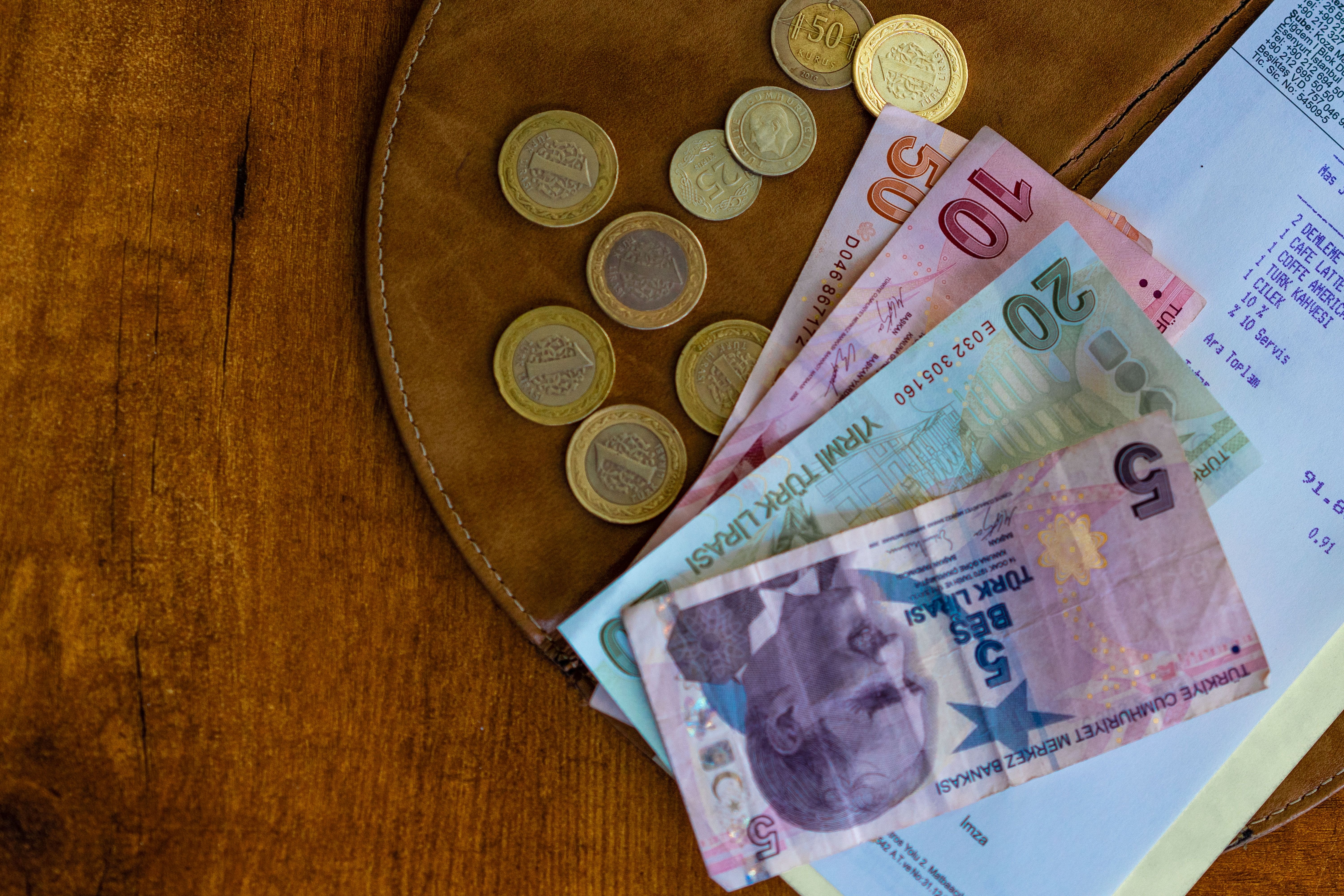
Thanks to the weak Turkish lira, American dollars stretch remarkably far in Turkey. Meals, local transport, museum entries, and many hotels cost a fraction of what they would in Western Europe or the US. This is the single biggest reason Turkey feels like a bargain — though it's worth knowing that the lira's value and local prices move constantly, so always check current prices and the exchange rate when budgeting rather than relying on older figures.
What drives the cost
Your total comes down to a few big levers:
International airfare — usually the single biggest expense, and the most variable; see our flights guide.
Accommodation style — from cheap guesthouses to luxury cave suites and Bosphorus hotels; this is where budgets diverge most.
Domestic travel — Turkey's cheap, frequent domestic flights and buses keep internal transport costs low.
Activities — the Cappadocia balloon ride and private tours are the notable splurges; many of Turkey's joys (mosques, neighborhoods, markets) are free.
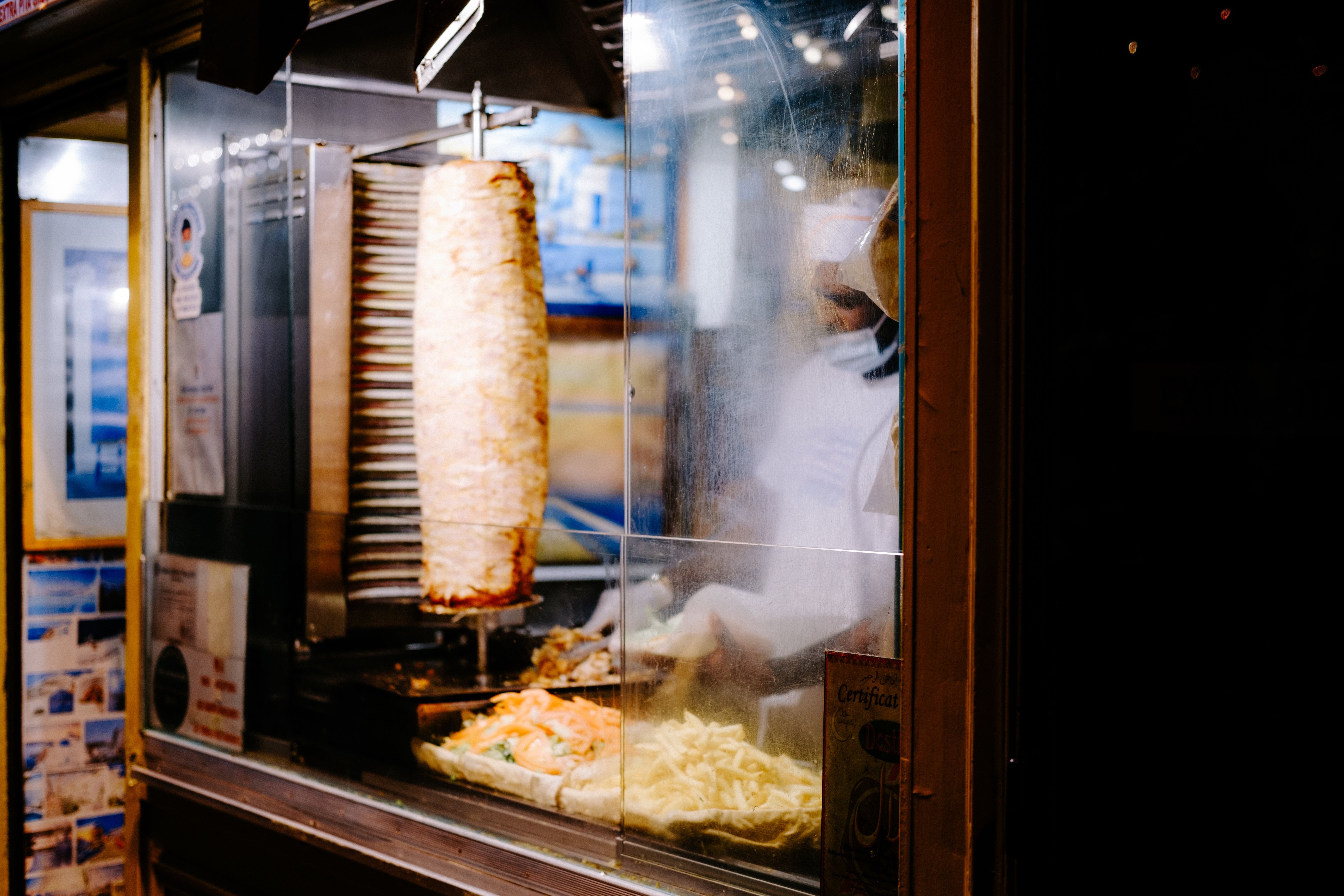
Dining style — street food and lokantas cost very little; fine dining and alcohol (heavily taxed) add up.
Budgeting by travel style
Rather than fixed numbers, think in tiers. Budget travelers (guesthouses, street food, buses, free sights) can see Turkey very cheaply — it's a backpacker-friendly country. Mid-range travelers (comfortable hotels, a mix of restaurants, domestic flights, a balloon ride) get excellent value and comfort for far less than a comparable European trip. Luxury travelers (five-star hotels, private guides, fine dining) can live large for a fraction of luxury prices elsewhere, which is why Turkey is popular for splurge trips. The same itinerary can cost wildly different amounts depending on which tier you choose.
Where your money goes furthest — and least
Some things are astonishingly cheap: local food, tea and coffee, public transport, museum entries, and taxis. A few things are not the bargain you'd expect: alcohol (high taxes make it pricey by local standards), imported goods, and the balloon ride (a genuine splurge, though widely considered worth it). International flights and any private touring are your big-ticket items. Budget generously for those and you'll find everything else pleasantly inexpensive.
Sample ways to save
If keeping costs down matters, a few choices move the needle most. Travel in the shoulder seasons rather than peak summer for lower flights and hotels. Lean on street food and lokantas over tourist-strip restaurants — you'll often eat better and cheaper. Take buses for shorter hops instead of flights, and use public transit in cities. Stay in guesthouses or boutique stays outside the most touristy blocks. And remember that many of Turkey's best experiences — wandering Istanbul's neighborhoods, mosque visits, the Cappadocia valleys, markets, a Bosphorus ferry — cost little or nothing. The single biggest splurge to weigh is the balloon ride; nearly everything else can flex to your budget.
How to estimate your trip
The practical approach: price your flights first (the biggest variable), pick your accommodation tier and multiply by nights, add the domestic flights/transport between regions, then layer in big activities (balloon, tours) and a daily allowance for food and incidentals. Check all of these at current prices, since both local costs and the exchange rate shift. Whatever tier you choose, Turkey consistently delivers more for your money than most destinations — see our guides on money in Turkey and whether Turkey is expensive for more.
A realistic mindset on budgeting
The healthiest way to think about a Turkey budget is in two buckets: the fixed, dollar-priced costs you set before you go (international flights, any pre-booked tours or the balloon) and the flexible, lira-priced costs you control on the ground (food, local transport, shopping, entries). The first bucket is where your real money goes and where it pays to shop around and book smart. The second bucket is where Turkey's value shines and where you can relax — day-to-day spending rarely blows a budget here. Plan carefully for the big fixed costs, keep a sensible daily allowance for the rest, and check everything at current prices, and you'll avoid both nasty surprises and needless penny-pinching.
FAQ
How much does a trip to Turkey cost?
It depends entirely on travel style, season, and the exchange rate. Turkey is excellent value thanks to the weak lira; price your flights, accommodation tier, domestic transport, and big activities at current rates to estimate your own budget.
What's the biggest expense on a Turkey trip?
Usually international airfare, followed by accommodation. Domestic transport and local dining are cheap by comparison.
Is Turkey cheap for American travelers?
Yes — the weak lira makes meals, transport, and many hotels a fraction of Western European or US prices. Alcohol and the balloon ride are the notable exceptions.
How do I budget for Turkey?
Price flights first, choose an accommodation tier per night, add domestic transport and big activities like the balloon, and use current prices since rates shift.