Handling money in Turkey is straightforward once you know a few essentials — the currency, when to use cash versus cards, how to get the best exchange rate, and the local tipping customs. Here's everything an American traveler needs to manage money smoothly on a Turkey trip.
The currency
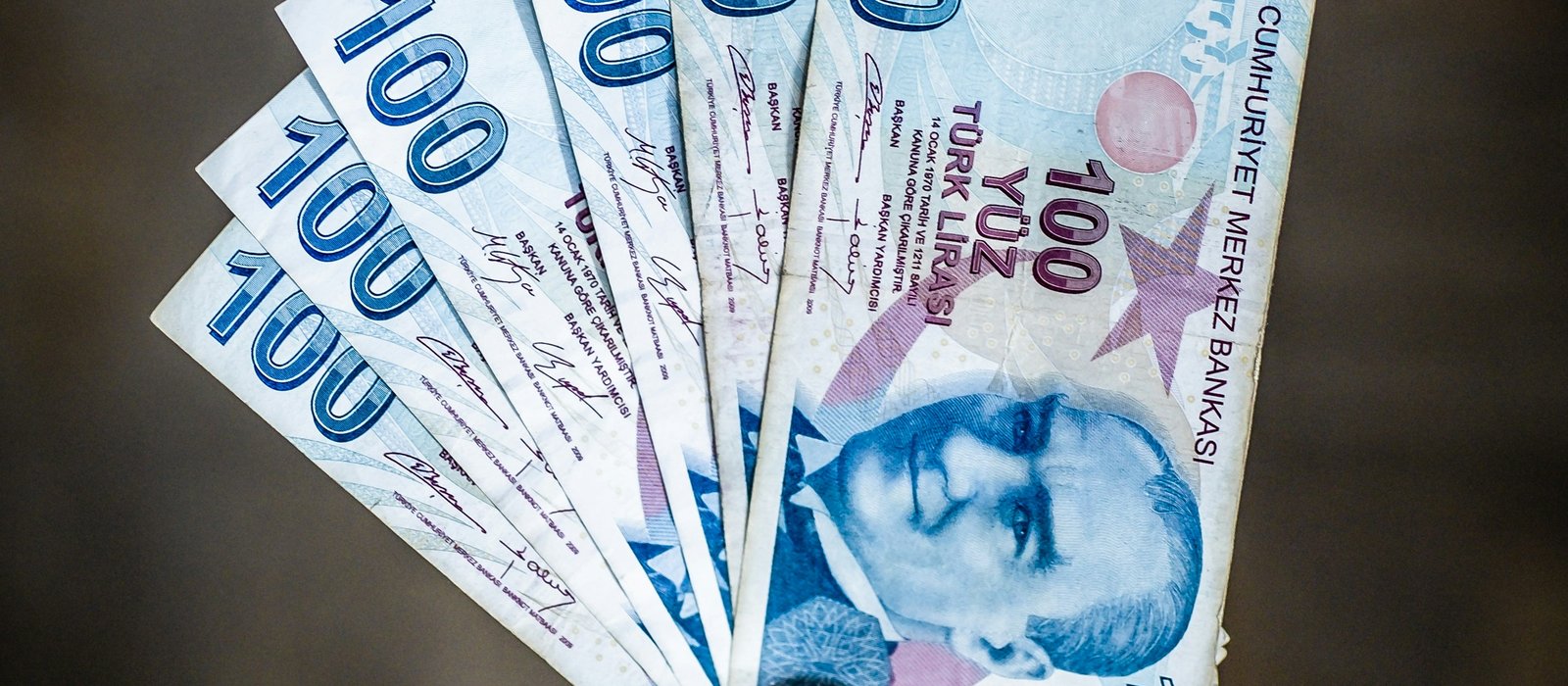
Turkey's currency is the Turkish lira (TRY), symbol ₺. The lira has been weak and volatile in recent years, which works in favor of American visitors but also means the exchange rate moves constantly — check the current rate before and during your trip rather than memorizing a figure. Prices in tourist areas are sometimes quoted in euros or dollars, but lira is the everyday currency and usually gives better value.
Cash vs cards
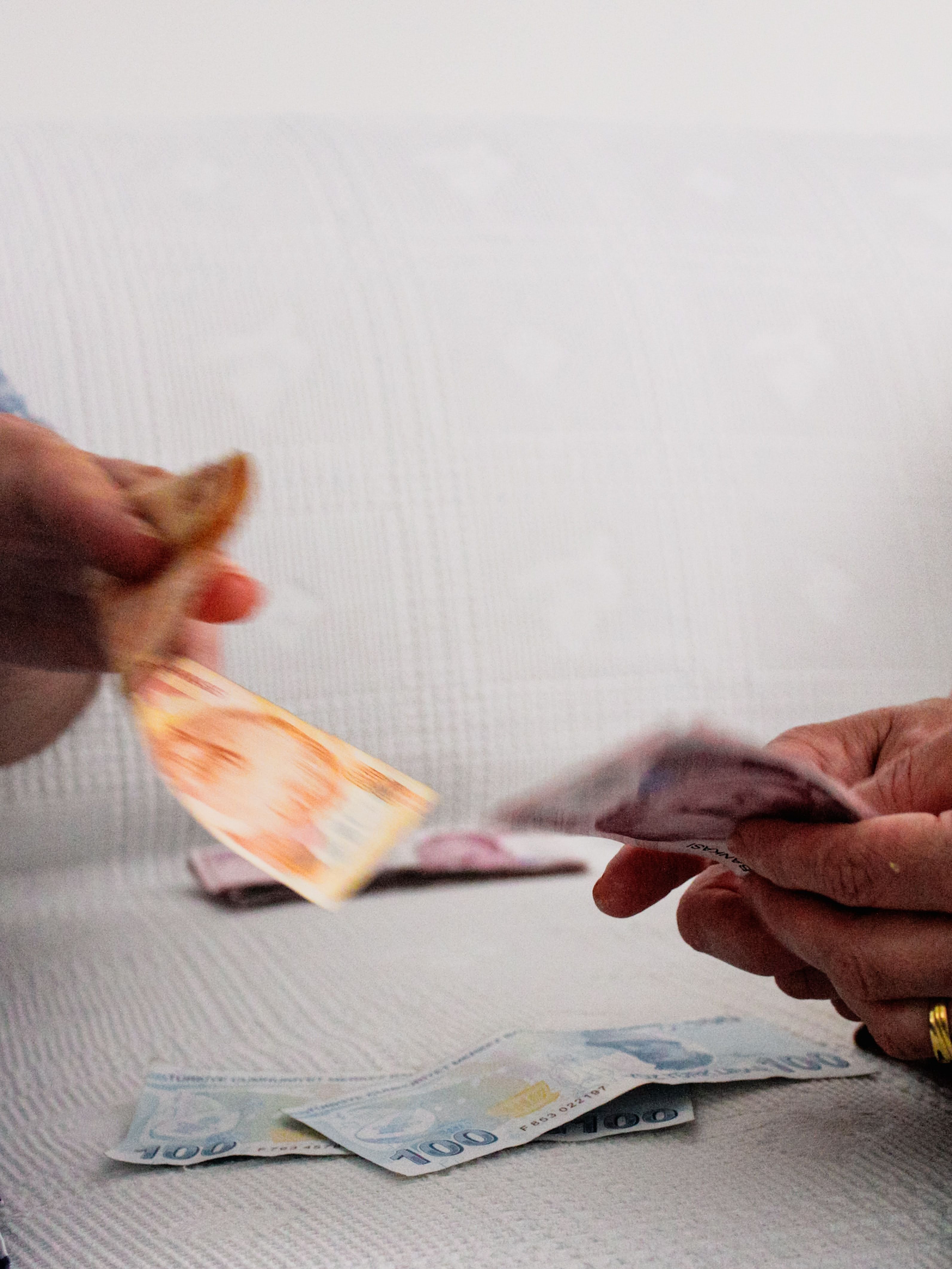
Cards are widely accepted in cities, hotels, restaurants, and tourist areas — contactless is common — so you won't need large amounts of cash for most spending. That said, carry some cash for small vendors, street food, markets and bargaining, taxis, tips, mosque donations, and rural areas where cards may not work. A mix of both is ideal: cards for larger and everyday payments, cash for the small stuff.
ATMs and getting cash
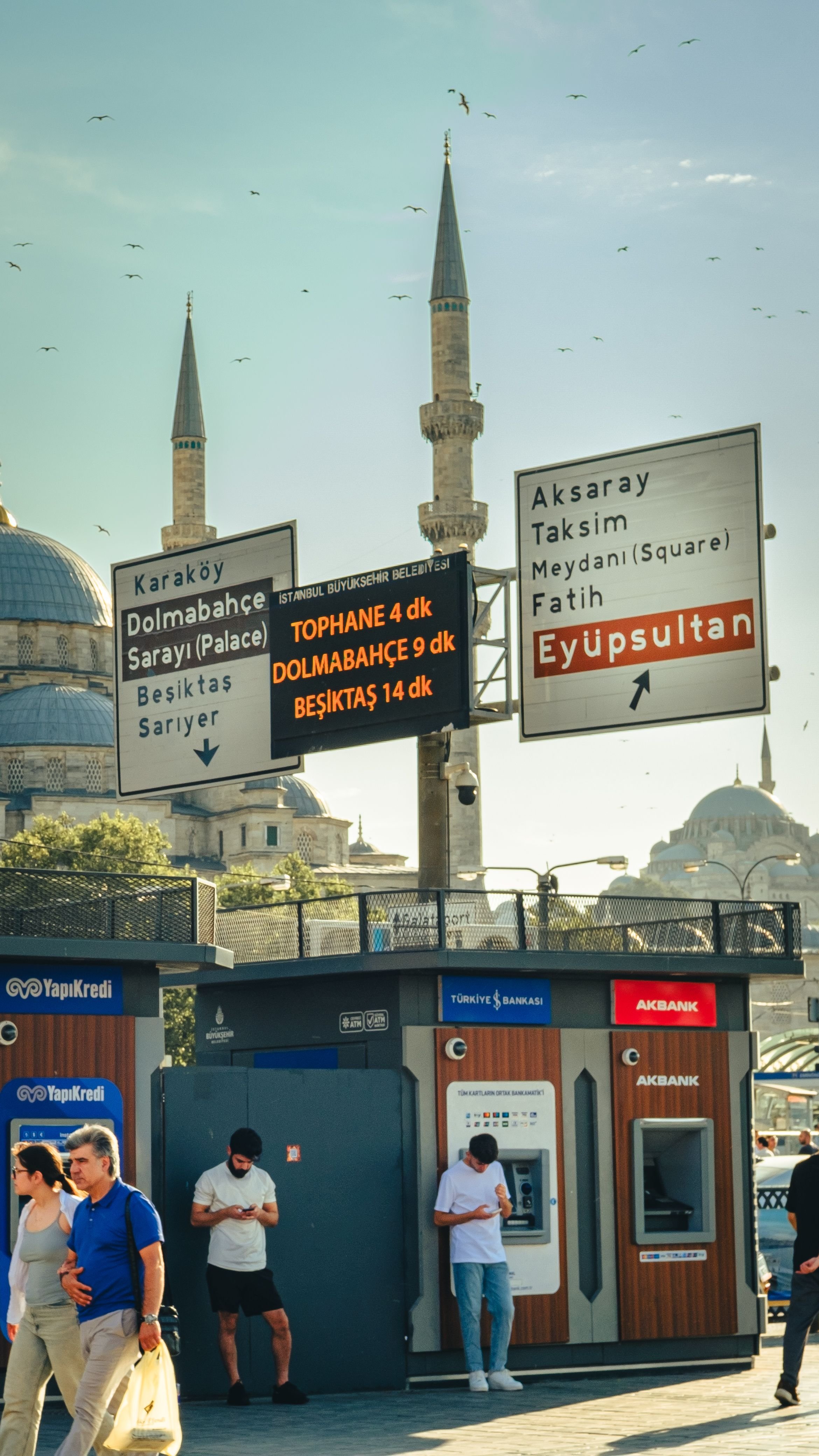
ATMs are plentiful in cities and tourist towns and are generally the best way to get lira at a fair rate. One key tip: when an ATM (or card machine) offers to convert the charge to dollars for you — "dynamic currency conversion" — always decline and choose to be charged in lira. Accepting the conversion locks in a poor rate. Use your own bank's lira charge instead. Prefer ATMs attached to major banks over standalone machines in tourist spots, which can carry higher fees, and tell your bank you're traveling so your card isn't blocked.
Exchanging money
If you bring dollars to exchange, döviz (exchange offices) in cities typically offer better rates than airports or hotels, with no or low commission — compare a couple. Avoid changing large sums at the airport beyond what you need to get into the city. In practice, many travelers skip cash exchange entirely and just withdraw lira from ATMs as needed, which is simple and fair-rated.
Tipping (bahşiş)
Tipping is customary but modest in Turkey. In restaurants, leave roughly 5–10% if a service charge isn't already included (check the bill). Round up for taxis, leave a small tip for hotel housekeeping and porters, and tip the attendant who scrubs you at a hammam. Tips in cash are appreciated, even when you pay the bill by card. Tipping is genuine appreciation here rather than a rigid obligation, so the modest local norms are all that's expected.
Avoiding common money mistakes
A few traps catch travelers out. The biggest is dynamic currency conversion — when a card machine or ATM offers to charge you in dollars "for convenience," it uses a poor rate, so always choose lira. Watch for airport exchange counters with bad rates and high fees; withdraw from an ATM in the city instead. Be cautious with standalone ATMs in heavy tourist zones, which can carry steep fees — bank-branded machines are safer. In bazaars, prices quoted in dollars or euros are often worse value than paying in lira. And don't forget to notify your bank before the trip, or a foreign transaction may freeze your card on day one. Sidestep these, and your money goes even further.
Practical money tips
A few final pointers: keep some small bills for street food, tips, and taxis, as vendors may lack change for large notes; notify your bank before traveling; and consider a card with no foreign-transaction fees for the best value on card spending. Always pay and withdraw in lira, never the offered dollar conversion. With cards for the big stuff and a little cash on hand, money in Turkey is easy — and, thanks to the exchange rate, pleasantly inexpensive. See our guide on whether Turkey is expensive for more on costs.
Staying safe with money
Turkey is generally safe for handling money, but ordinary travel sense applies. Use ATMs attached to banks or inside branches where possible, shield your PIN, and be alert in crowded tourist areas and bazaars where pickpocketing can occur. Carry only the cash you need for the day and leave spare cards and backup cash in your hotel safe. Keep a record of your card numbers and your bank's international contact line in case a card is lost. Splitting your money — some cash, a primary card, a backup card stored separately — means a single loss never strands you. None of this is unique to Turkey; it's the same prudence that serves you anywhere.
FAQ
What currency does Turkey use?
The Turkish lira (TRY, ₺). It's been weak and volatile, which favors American visitors, but the exchange rate moves constantly — check the current rate.
Should I use cash or card in Turkey?
Both — cards are widely accepted in cities and tourist areas, but carry cash for street food, markets, taxis, tips, and rural spots.
How do I avoid bad exchange rates?
Withdraw lira from major-bank ATMs, and always decline the machine's offer to charge you in dollars — choose lira. Use exchange offices (döviz) over airports for cash.
How much should I tip in Turkey?
Around 5–10% in restaurants if service isn't included, round up for taxis, and small tips for hotel staff and hammam attendants. Cash is appreciated.