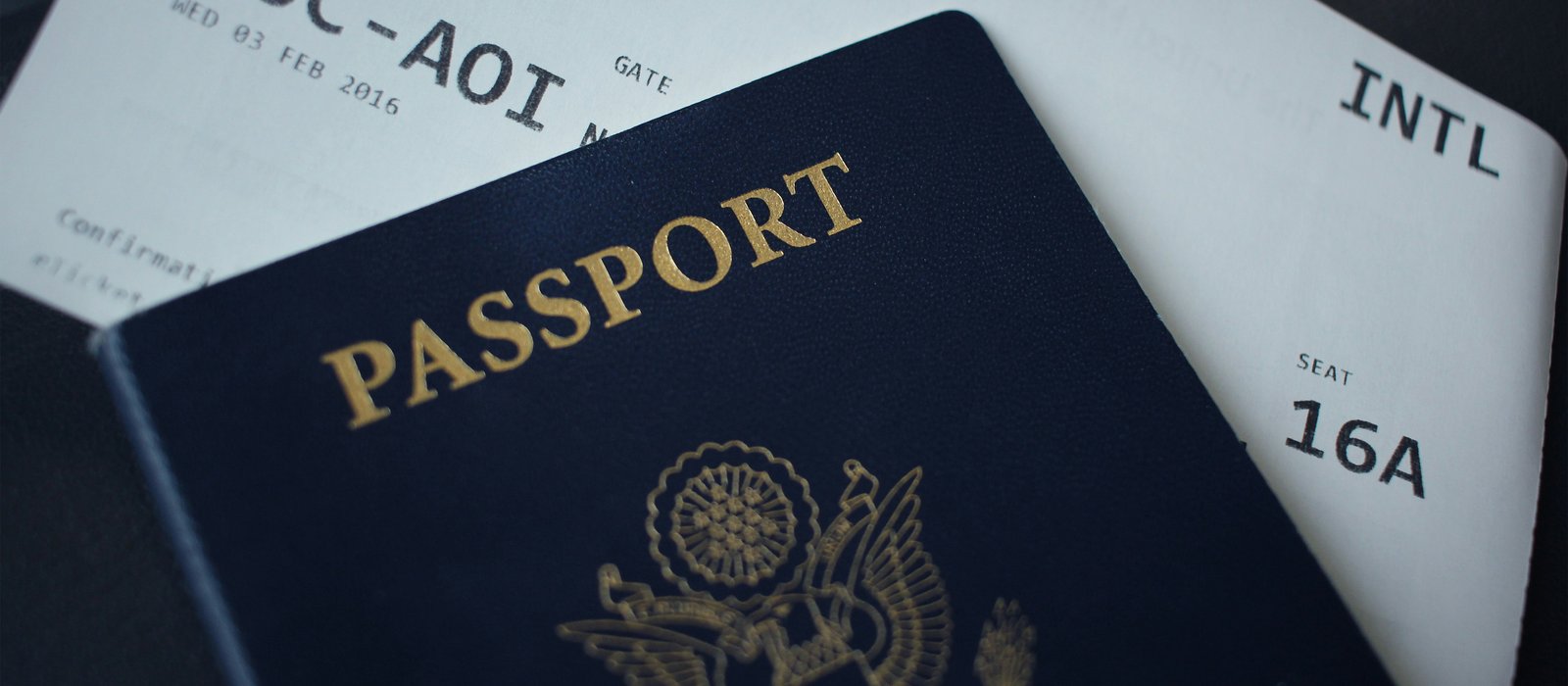
One of the most common questions American travelers ask about Turkey is whether they need a visa — and the answer has changed in recent years, which causes real confusion. Here's the current picture for US citizens, along with the passport rules that catch people out, and a strong reminder to verify the latest requirements with the official source before you travel.
The short answer
As of the most recent guidance, US citizens do not need a visa for tourist trips to Turkey and can enter visa-free for stays of up to 90 days within any 180-day period. This is a change from the past: for years, Americans had to buy an e-visa online (around $50) before traveling, so people who visited Turkey before this change — or who remember friends doing the e-visa — are often surprised. Today, for ordinary tourism within the time limit, no visa and no advance online authorization is required.
Important: entry rules change, and this is exactly the kind of detail worth confirming. Always check the official Turkish e-visa portal at evisa.gov.tr (and the US State Department's Turkey page) for the current requirement before you book and before you fly.
Your passport: how much validity you need
This is the requirement that trips people up. Turkey requires your passport to be valid for at least six months beyond your date of entry, with one blank page for the entry and exit stamps. The US State Department states this plainly, so check your passport's expiration date well before your trip and renew if you're cutting it close. As always, verify the current validity requirement with the official source, as these rules can be updated.
What counts as visa-free tourism
The visa-free entry applies to tourism and short visits within the 90-day limit. Different rules apply if you plan to work, study, or stay longer than the permitted period — those require the appropriate visa or residence permit, arranged in advance. If your trip is a standard vacation within three months, the visa-free rule covers you; anything beyond ordinary tourism, check the specific requirements for your situation.
Avoiding visa scams
Because the rules changed, a cottage industry of third-party "Turkey visa" websites persists, some charging service fees for an e-visa that US tourists generally don't even need anymore, or marking up the cost for nationalities that do. The rule is simple: the only official site for a Turkish e-visa is evisa.gov.tr. Ignore any other site claiming to process your "Turkey visa," and be skeptical of search ads. For US tourists within the visa-free terms, you shouldn't need to apply for anything at all.
Why the confusion exists
It's worth understanding why this question generates so much uncertainty. For roughly a decade, US citizens did need an e-visa for Turkey — a quick online application costing around $50, sticker-shock-free but an extra step nonetheless. Countless travel guides, blog posts, and forum threads from that era are still online, confidently telling Americans to get an e-visa, and they now rank in search results alongside current information. The result is a sea of contradictory advice. The reliable move is to ignore older articles entirely and trust only the official source, dated to the present: if evisa.gov.tr and the US State Department say US tourists are visa-free today, that's your answer, regardless of what an older blog claims.
At the border and other tips
On arrival, you'll pass through passport control and get an entry stamp — straightforward for visa-free tourists. It's wise to carry proof of onward or return travel and accommodation; these are rarely checked but officially expected. Keep an eye on your 90-day limit if you're a long-term traveler hopping in and out of the region, as the 90-in-180 rule is cumulative. And once more, because it matters most: confirm the current entry requirements at evisa.gov.tr before you fly, since this guide reflects the rules at the time of writing and official requirements can change. For getting there, see our flights from the USA guide.
FAQ
Do US citizens need a visa for Turkey?
As of the latest guidance, no — US tourists can enter visa-free for up to 90 days within any 180-day period. This changed from the previous e-visa requirement, so confirm the current rule at evisa.gov.tr before traveling.
How long can Americans stay in Turkey without a visa?
Up to 90 days within any 180-day period for tourism. Longer stays, work, or study require the appropriate visa or permit.
What are the passport requirements for Turkey?
Your passport should be valid at least six months beyond your date of entry, with one blank page. Verify the current requirement before you go.
Where do I check official Turkey visa rules?
The official Turkish e-visa portal at evisa.gov.tr, plus the US State Department's Turkey page. Avoid third-party "visa" sites that charge unnecessary fees.
Did Americans used to need an e-visa for Turkey?
Yes — for years US tourists bought an e-visa online (around $50) before traveling. That requirement was lifted, which is why the rules now confuse returning visitors. Always confirm the current policy.
Keep planning
Not sure how it all fits together?
Pick your trip length and we'll point you to the right day-by-day itinerary.