Ephesus is the finest ancient city in Turkey and one of the best-preserved in the entire Mediterranean — a Greco-Roman metropolis where you walk marble streets past temples, baths, and the famous Library of Celsus. It's the highlight of the Aegean coast and a bucket-list site for history lovers. Here's everything you need to visit well.
What you'll see
The site is large and walkable, sloping gently downhill between two entrances. The unmissable highlights:
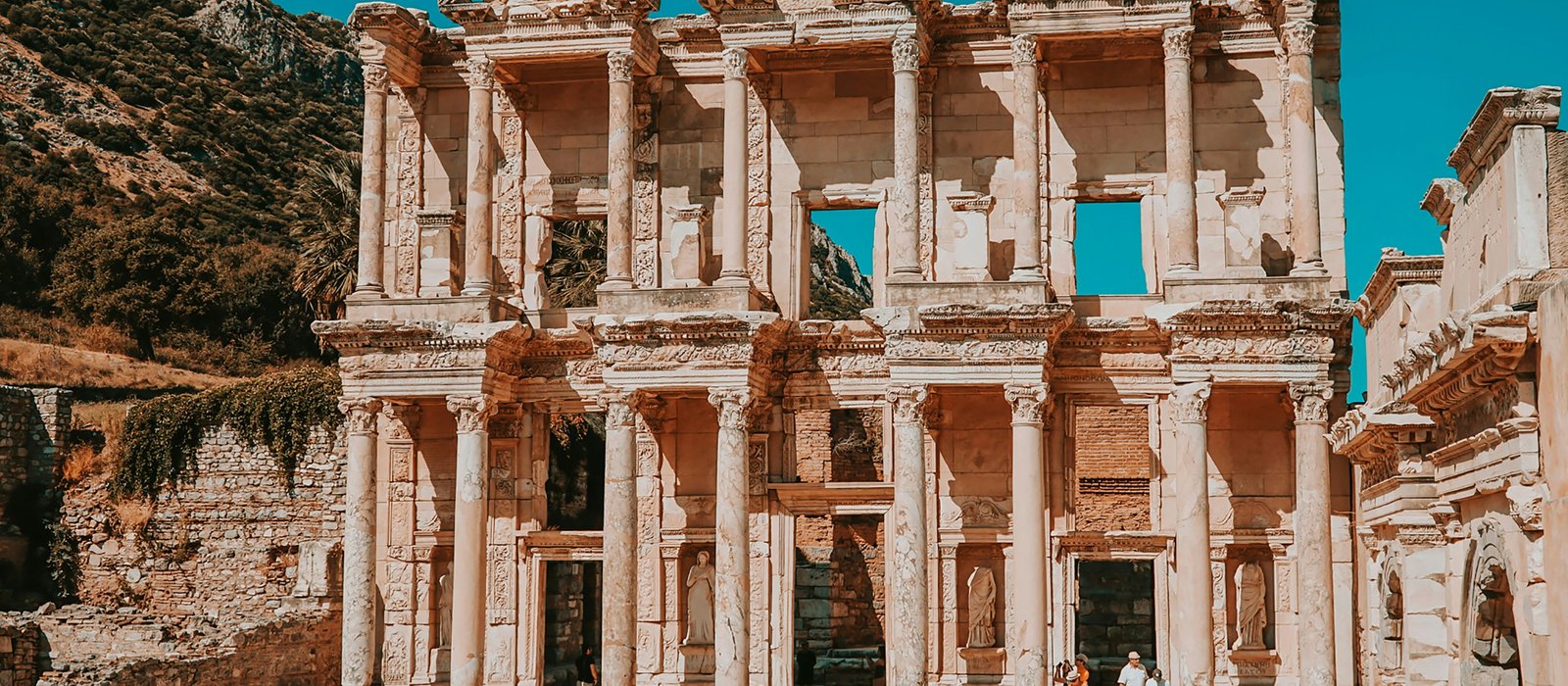
The Library of Celsus — the iconic two-story facade that symbolizes Ephesus, beautifully reconstructed.
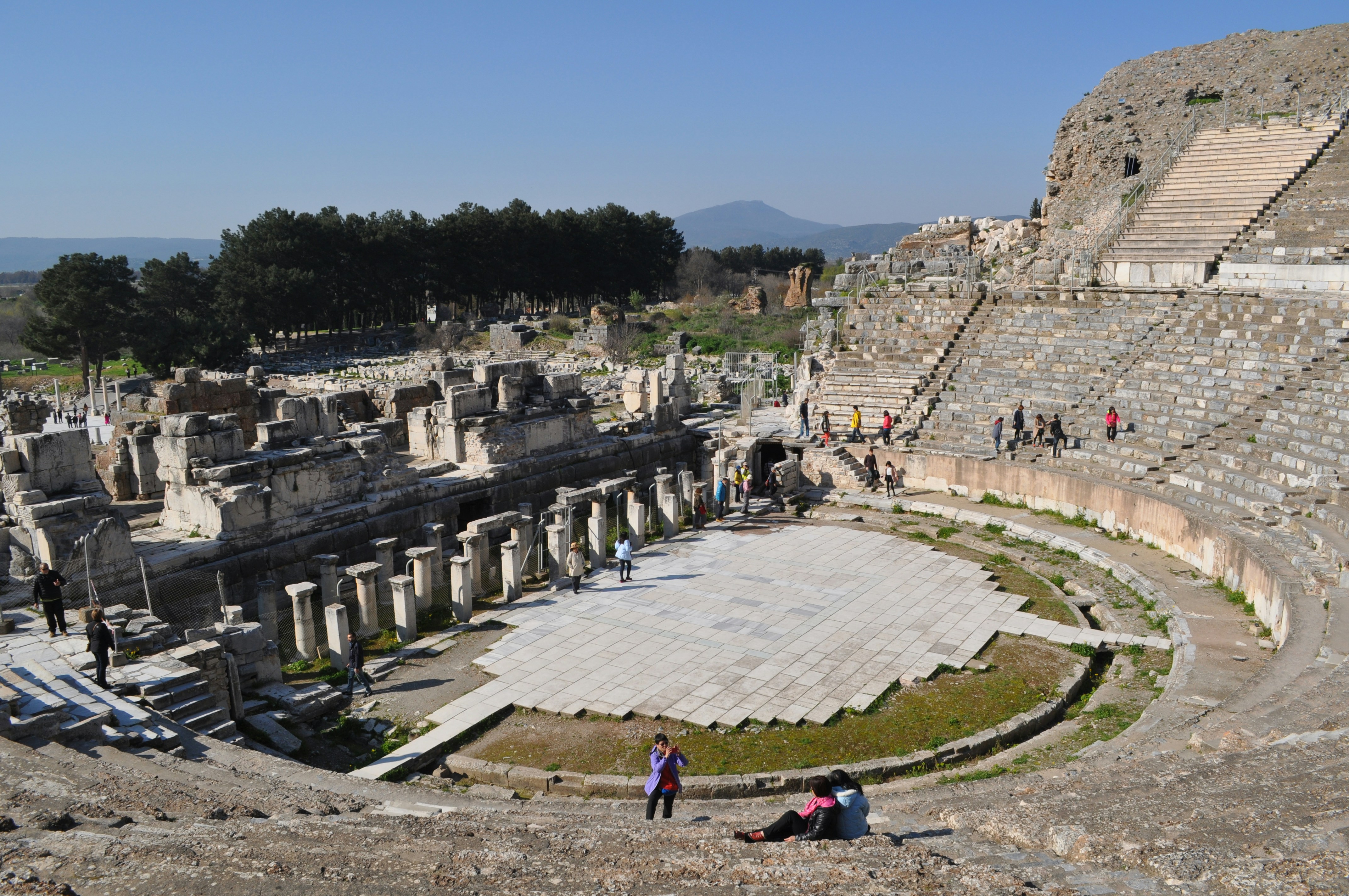
The Great Theatre — a vast amphitheater that once seated around 25,000, with commanding views down the old harbor road.
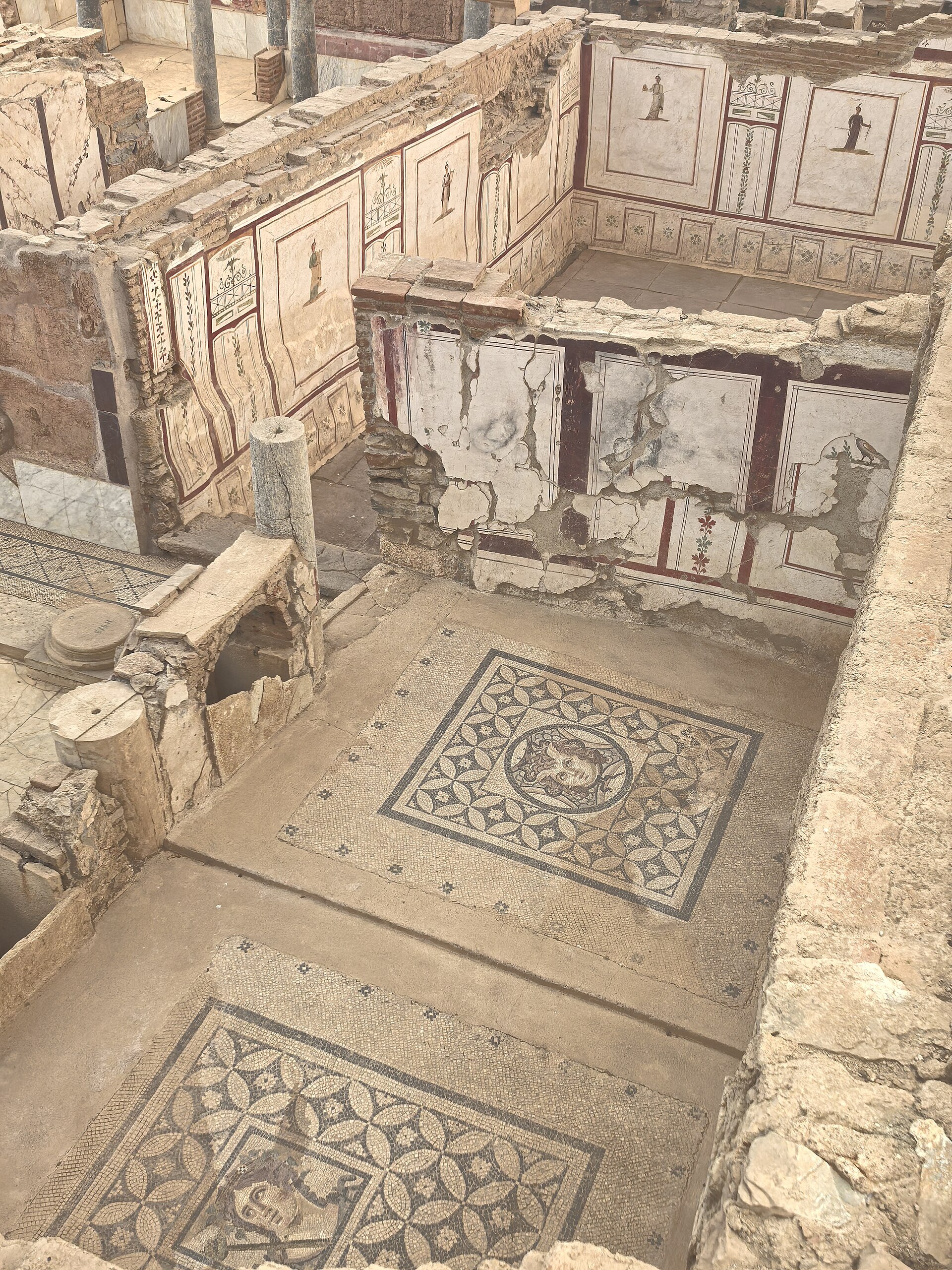
The Terrace Houses — a separate-ticket area protecting the remarkably intact mosaics and frescoes of wealthy Roman homes. Worth every penny of the add-on.
Marble Street and the Curetes Way — colonnaded avenues lined with temples, fountains, and public buildings.
Tickets and the Terrace Houses
You buy a main entry ticket, with the Terrace Houses requiring a separate additional ticket. Prices change with the season and exchange rate, so check current rates on arrival; if you have any interest in Roman domestic life, the Terrace Houses are the best part of the site and well worth the extra. A combined Museum Pass can make sense if you're visiting several Turkish sites — see our Museum Pass guide.
The two gates — plan your walk
Ephesus has an upper gate and a lower gate, roughly a mile apart. The smart strategy is to start at the upper gate and walk downhill to the lower one, which is far easier than climbing. If you arrive by taxi or tour you can be dropped at the top and collected at the bottom; if you drive, note that you'll need to return to your car. Wear comfortable shoes — the marble is uneven and there's little shade.
Best time to visit
Go early morning or late afternoon to avoid both the midday heat and the cruise-ship crowds that surge in from Kusadasi midday. Spring and fall are ideal; summer is hot and exposed, so bring water, sun protection, and a hat. Allow two to three hours, more if you linger at the Terrace Houses.
How to get there
Ephesus sits beside Selcuk, the best base for an early start, and about 30 minutes from the resort town of Kusadasi and its cruise port. From Izmir it's roughly an hour. A guided tour adds context to the ruins and handles logistics; independent visitors can taxi or take a dolmus from Selcuk. See our Aegean coast guide for the wider trip.
A little history
Knowing Ephesus's story enriches the visit. Founded by Greeks and later a major city of the Roman province of Asia, Ephesus was one of the largest cities of the ancient Mediterranean, with a population in the hundreds of thousands at its peak. It was a major early Christian center — the Apostle Paul preached here, and tradition links the Virgin Mary's final years to the nearby hills. Its great Temple of Artemis was one of the Seven Wonders of the Ancient World, though only a single column remains today in nearby Selcuk. The city declined as its harbor silted up, which is why these grand ruins now sit several miles inland from the sea.
What to bring
The site is large, open, and largely shadeless, so come prepared: comfortable walking shoes for the uneven marble, a hat and sunscreen, water, and your camera. There's a museum in Selcuk that houses many of the finest artifacts excavated here, worth pairing with the ruins for the full picture. Combine it all with the House of the Virgin Mary in the hills above for a half- to full-day of ancient history.
How long to spend and what else to see
Most visitors spend two to three hours at Ephesus, or longer with the Terrace Houses and a slow pace. To build a fuller day, pair it with the House of the Virgin Mary in the hills above, the Basilica of St. John and Temple of Artemis remains in Selcuk, and the Ephesus Museum. History enthusiasts can extend to nearby ancient cities like Priene, Miletus, and Didyma, or the dramatic ruins of Pergamon farther north. With the charming wine village of Sirince a short drive away for lunch, the Ephesus area easily fills one to two rewarding days.
FAQ
Is Ephesus worth visiting?
Absolutely — it's one of the best-preserved ancient cities in the Mediterranean and the highlight of Turkey's Aegean coast.
Are the Terrace Houses worth the extra ticket?
Yes. The separate-ticket Terrace Houses protect extraordinary Roman mosaics and frescoes and are the best part of the site for many visitors.
Which gate should I start from at Ephesus?
Start at the upper gate and walk downhill to the lower gate — it's far easier than climbing. Arrange your taxi or tour to drop and collect accordingly.