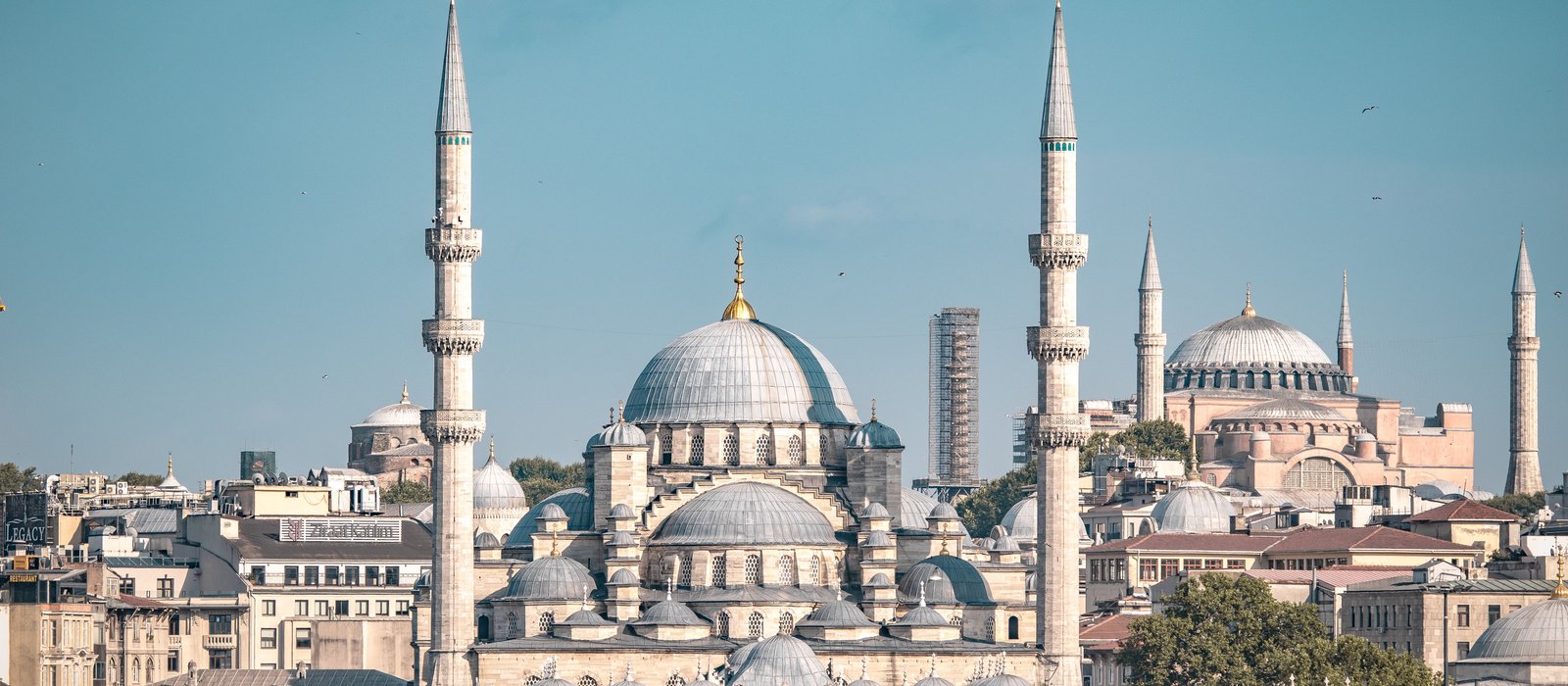
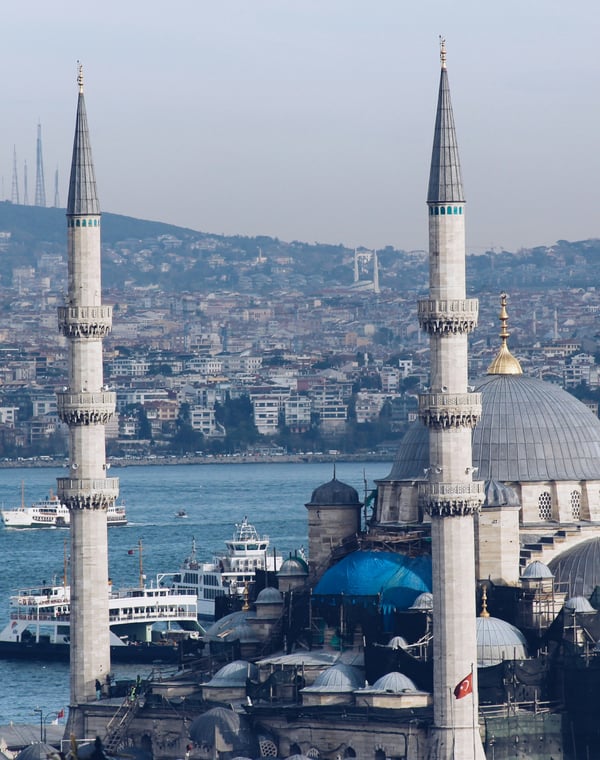
Hagia Sophia and the Blue Mosque face each other across a garden square in Sultanahmet, and most first-timers see them together. Both are active mosques, which shapes how and when you visit. Here's what to know before you go so you arrive prepared and time it right.
Hagia Sophia
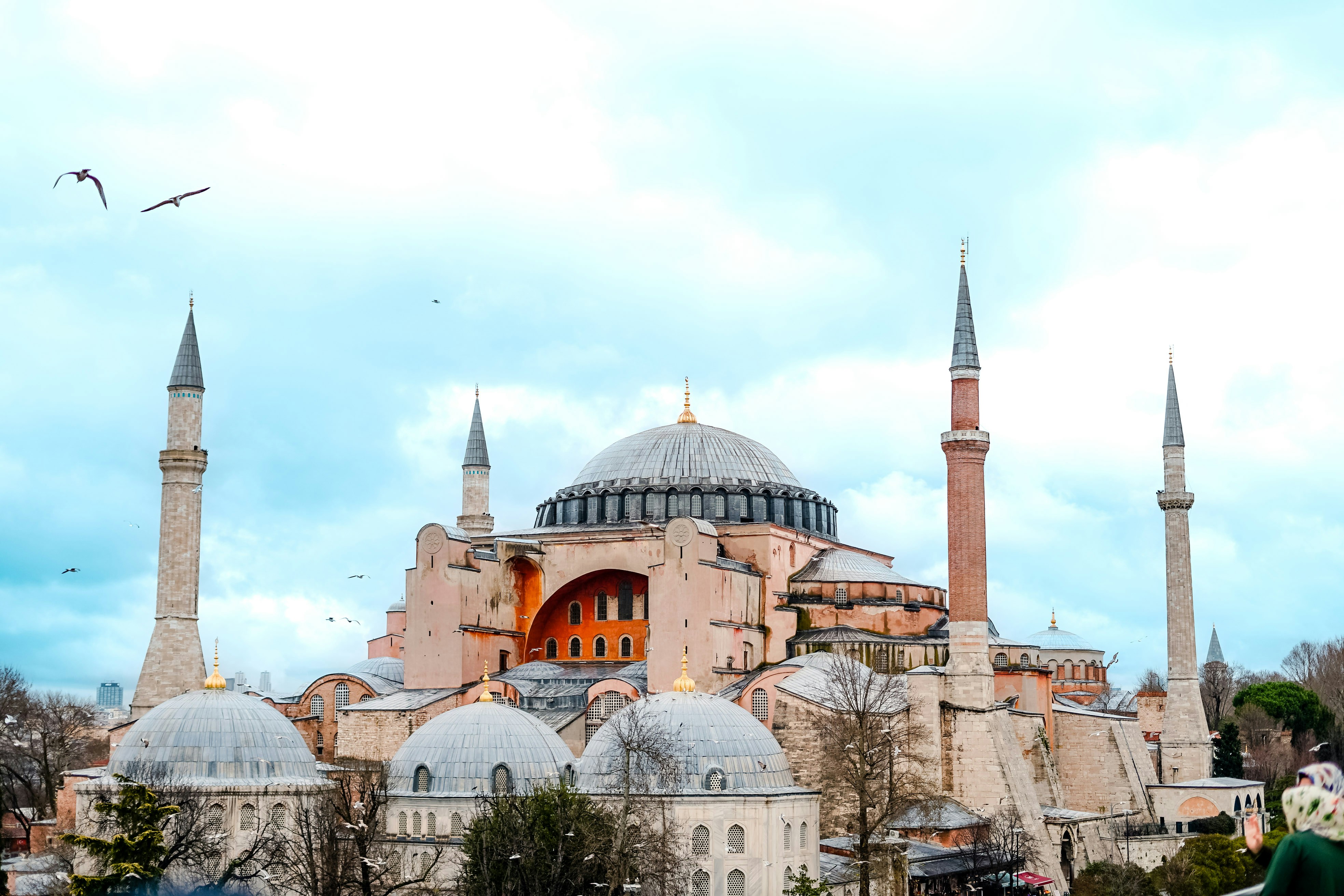
Built as a Byzantine cathedral around 1,500 years ago, later an imperial mosque, then a museum, Hagia Sophia reverted to a working mosque in 2020. Entry to pray is free; for visitors, an upper-gallery ticket has since been introduced, so check the current arrangement and price when you arrive. The interior — the vast dome, the gold mosaics, the layered Christian and Islamic history — is the single most awe-inspiring space in the city.
What to expect inside
As an active mosque, the main floor is a prayer space: dress modestly, remove your shoes (bags are provided), and women cover their hair. Avoid visiting during the five daily prayer times, when tourist access pauses.
The Blue Mosque (Sultanahmet Camii)
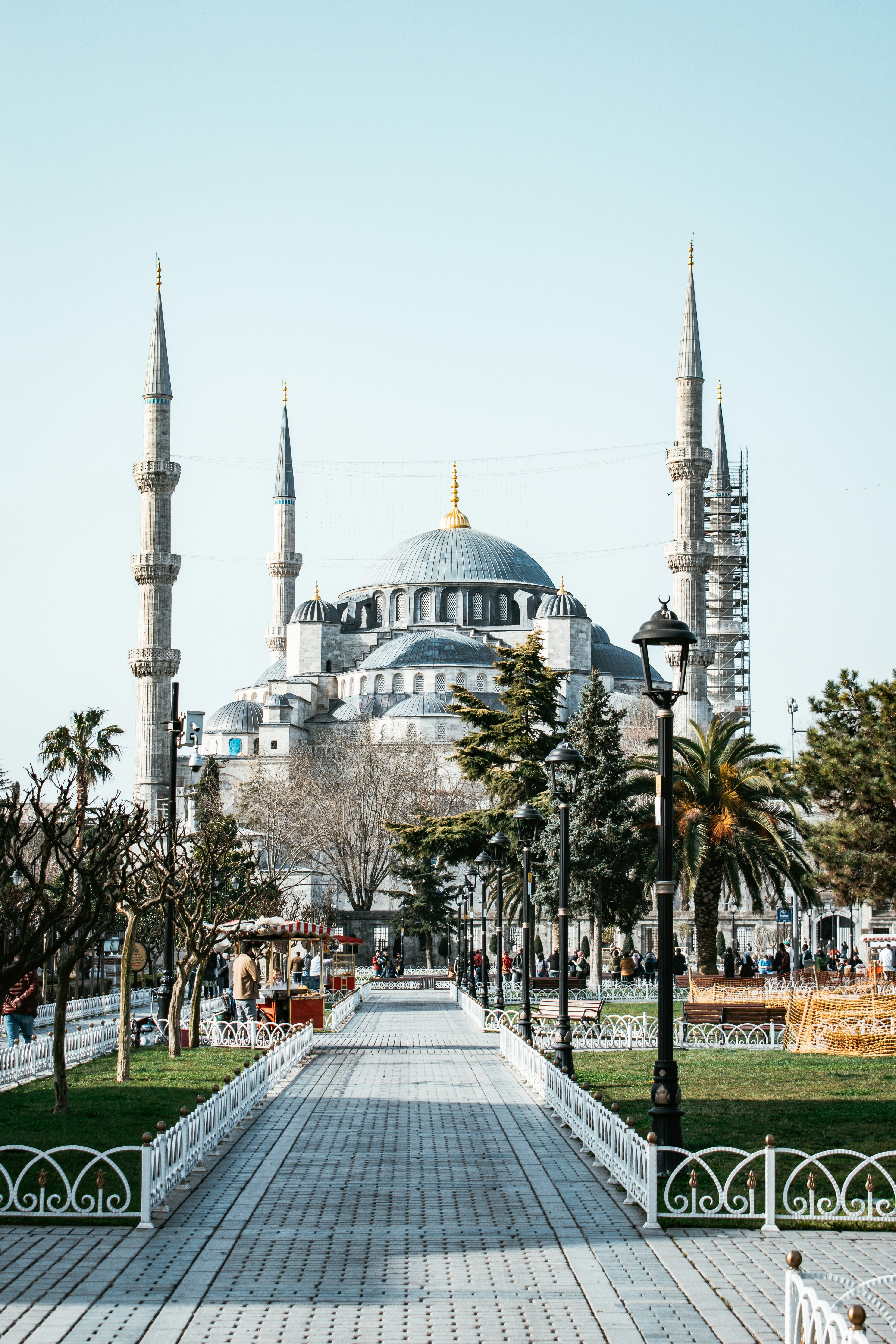
Across the square, the early-17th-century Blue Mosque takes its nickname from the thousands of blue İznik tiles lining its interior. It's free to enter, and it's a functioning mosque with the same etiquette: modest dress, shoes off, hair covered for women, and no tourist entry during prayers. Enter through the designated visitor door rather than the worshippers' entrance.
Dress code — what to wear
For both, women should cover hair, shoulders, and knees (carry a scarf; some entrances lend one), and men should wear long pants rather than shorts. You'll take your shoes off at the door. Nothing else is required — Turkey is otherwise secular and Western-dressed — but a scarf in your day bag means you're always mosque-ready. More in our what to wear in Turkey guide.
A little history helps
Understanding what you're standing in deepens the visit. Hagia Sophia was completed in 537 as the cathedral of the Byzantine Empire and held the title of the world's largest interior space for centuries; after the Ottoman conquest in 1453 it became a mosque, and minarets and Islamic calligraphy were added alongside the surviving Christian mosaics. That layering — Byzantine gold and Ottoman medallions sharing one dome — is exactly what makes it unique. The Blue Mosque, finished in 1616, was built facing it almost as a deliberate response, its cascade of domes and six minarets designed to rival the older monument across the square. Seeing them together is really seeing two empires in conversation.
Best time to visit — and how to see both
Go early in the morning, right after opening, to beat tour groups and afternoon crowds. Because the two sit a two-minute walk apart, you can comfortably see both in one morning: start at Hagia Sophia, then cross to the Blue Mosque, then continue to nearby Topkapı Palace or the Basilica Cistern. Work around the daily prayer times, which briefly close both to visitors. A guided tour or skip-the-line ticket can save time at Hagia Sophia in peak season.
What's nearby
Both mosques sit at the heart of Sultanahmet, so it's easy to build a full morning or day around them. Topkapı Palace, the Ottoman seat of power with its Harem and treasury, is a five-minute walk. The underground Basilica Cistern is just as close, as is the Hippodrome, the ancient chariot-racing ground now a public square dotted with obelisks. The Grand Bazaar is a short walk or one tram stop away. A logical route: Hagia Sophia at opening, the Blue Mosque next, Topkapı before lunch, then the Cistern and bazaar in the afternoon — exactly the flow in our 3-day itinerary.
Should you take a guided tour?
You can absolutely visit both independently — they're free to enter and a short walk apart. A guide adds value mainly through context and, at Hagia Sophia in peak season, time saved on tickets and lines. If you care about the history and the symbolism in the mosaics and tilework, a knowledgeable guide brings it alive; if you'd rather wander at your own pace, a good written guide or audio guide does the job. Either way, go early and dress appropriately, and the visit takes care of itself.
FAQ
Is Hagia Sophia free to enter?
Entry as a mosque is free, but a separate upper-gallery ticket for visitors has been introduced. Check the current price and arrangement on arrival.
What should I wear to visit the mosques?
Women cover hair, shoulders, and knees; men wear long pants. Everyone removes their shoes. Carry a scarf so you're always ready.
Can I visit during prayer times?
Tourist access pauses during the five daily prayers at both mosques. Plan around them and go early to avoid crowds.
Can I see both in one visit?
Yes. They're a two-minute walk apart across a garden square, so most visitors see them back to back in one morning.
Keep planning
Not sure how it all fits together?
Pick your trip length and we'll point you to the right day-by-day itinerary.