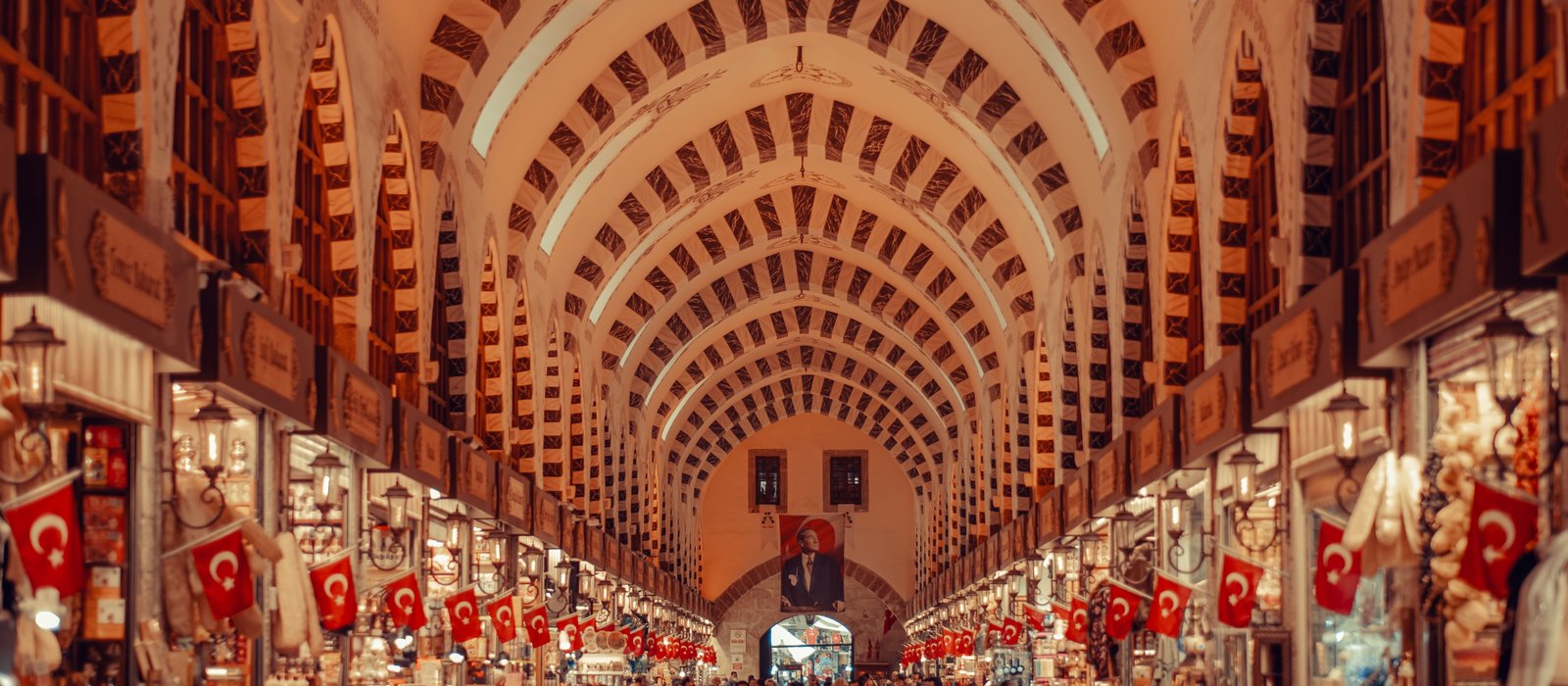
Istanbul's covered markets are landmarks in their own right — worth visiting even if you buy nothing. The Grand Bazaar is one of the oldest and largest covered markets in the world; the Spice Bazaar down by the water is smaller, fragrant, and quicker to browse. Here's how to enjoy them, what to buy, and how to bargain without the stress.
The Grand Bazaar
With thousands of shops along a maze of vaulted lanes, the Grand Bazaar can feel overwhelming — lean into it. Wander without a fixed plan first to get the lay of the land, noting that the market loosely organizes by trade: jewelers in one area, leather in another, carpets, ceramics, textiles, and antiques each clustering together. Carry small lira for purchases and keep an eye on your belongings in the crowds.
What to buy
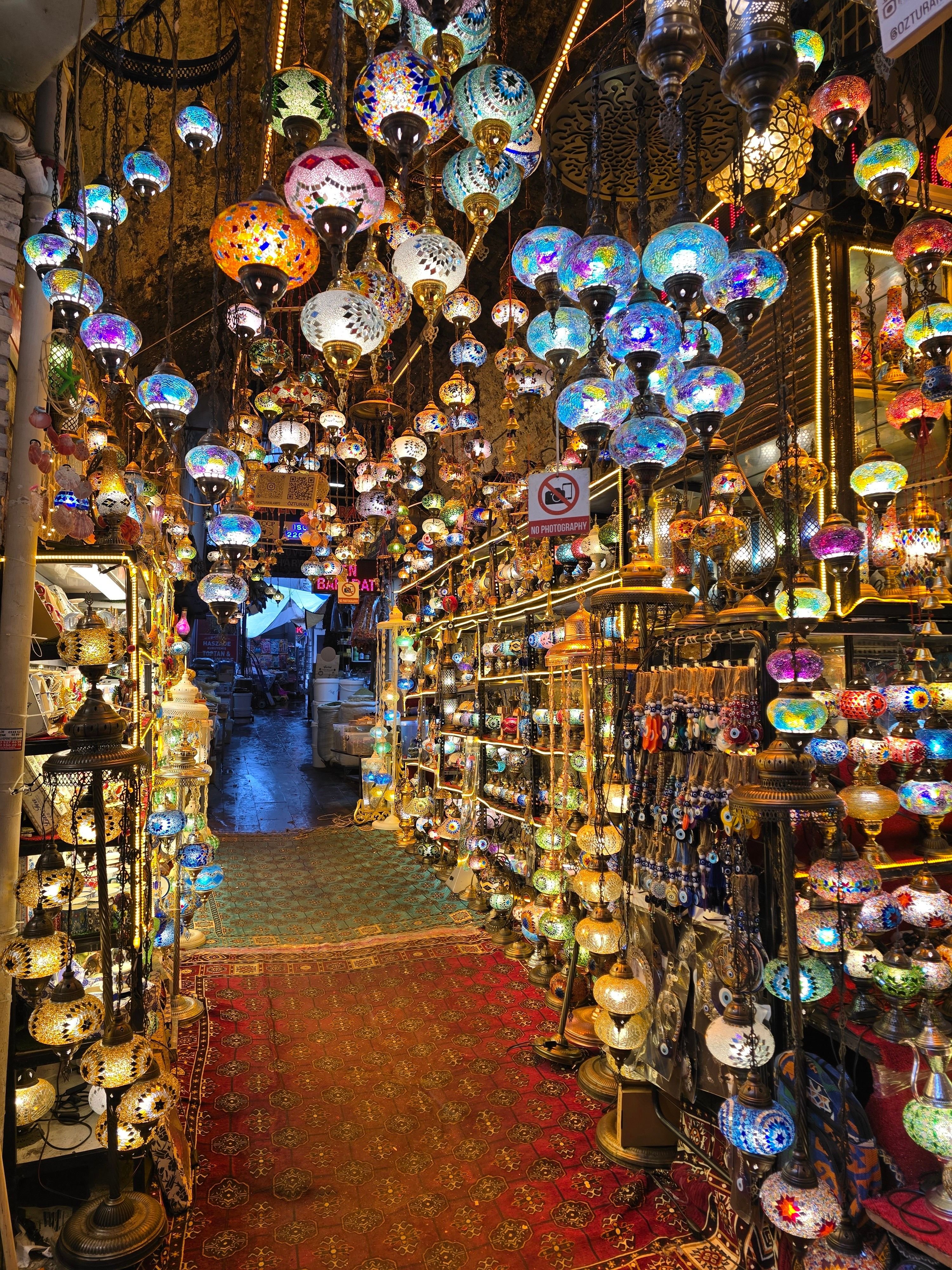
Classic Grand Bazaar buys include Turkish carpets and kilims, ceramics and İznik-style tiles, leather goods, jewelry and the blue "evil eye" (nazar) charms, lanterns, and copperware. Quality and price vary wildly, so compare a few stalls before committing — especially for big-ticket items like rugs.
The Spice Bazaar (Mısır Çarşısı)
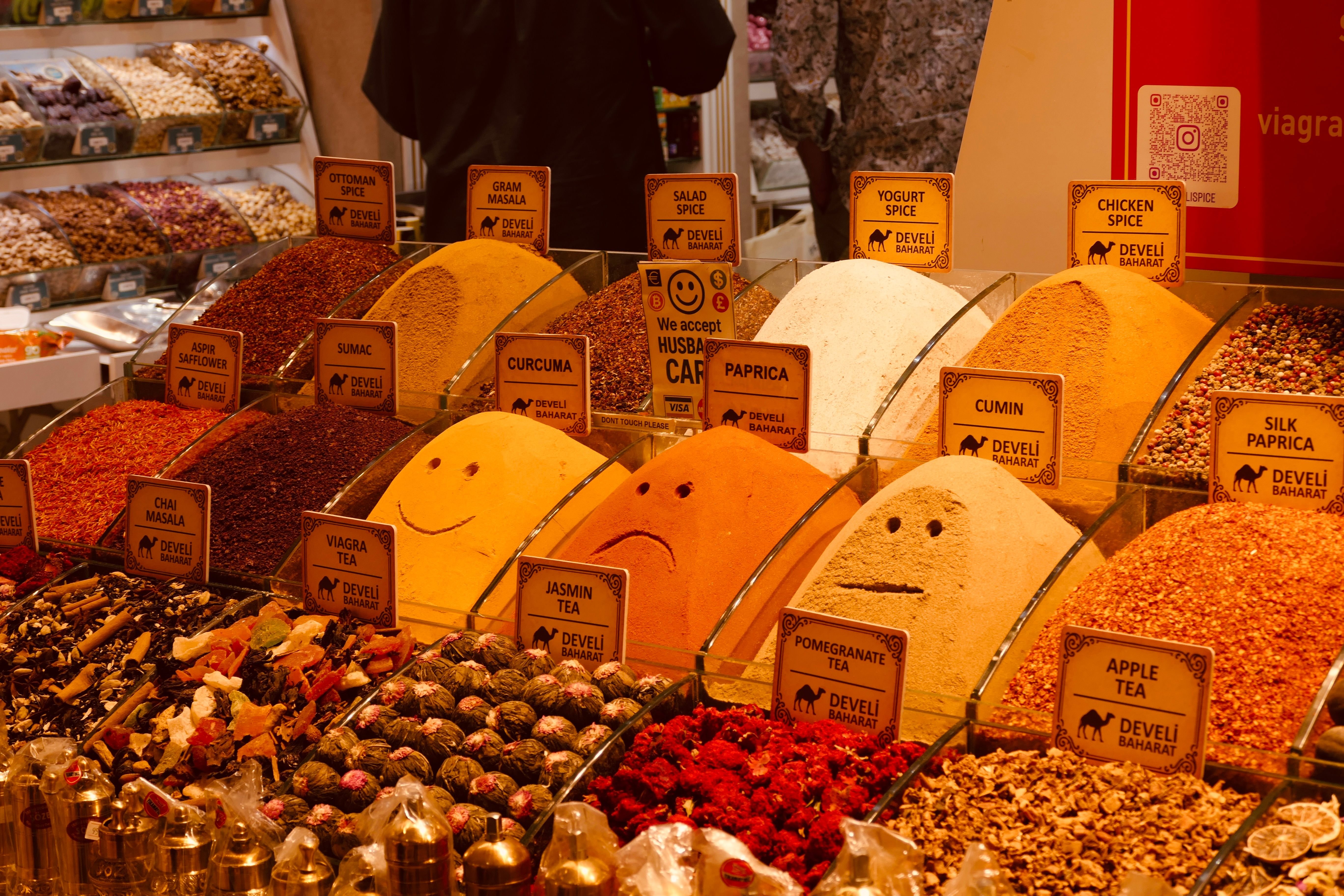
A short walk downhill near Eminönü and the Galata Bridge, the Spice Bazaar is a feast for the senses: pyramids of spices, dried fruit and nuts, Turkish delight (lokum), teas, and honey. It's smaller and more manageable than the Grand Bazaar and pairs perfectly with a balık ekmek fish sandwich by the water. It's the place to pick up edible souvenirs — sample before you buy, which vendors expect.
How to bargain
Bargaining is expected in both bazaars (but not in regular shops or restaurants). A few principles keep it friendly and effective:
Decide what an item is worth to you before you start, and don't show too much eagerness.
Expect a counter well above your target; settle somewhere in the middle over a glass of tea.
Accepting the offered çay (tea) is hospitality, not an obligation to buy.
Walking away politely is a normal part of the process — and often produces a better final price.
Compare several stalls for expensive items so you know the going rate.
Practical visiting tips
A few logistics make the markets more enjoyable. The Grand Bazaar is closed on Sundays and on public holidays, and gets busiest midday — arrive near opening for a calmer browse. It has numerous gates, and it's genuinely easy to lose your bearings, so note a landmark gate or simply embrace getting a little lost (you'll always find an exit). Many vendors accept cards, but cash gives you more bargaining leverage and is essential at smaller stalls. The Spice Bazaar keeps similar hours and pairs naturally with a walk across the Galata Bridge or a ferry from Eminönü. Both are well served by the T1 tram.
Beyond the two big markets
If you love markets, the surrounding streets reward exploring. The lanes around the Grand Bazaar — the Han courtyards and wholesale streets — often have better prices than the main tourist corridors inside. Across the city in Kadıköy, the produce market is where locals actually shop, with none of the tourist markup. These are where you see the everyday commercial life behind the famous covered halls.
Scams to avoid
The markets are generally safe, but be aware of the classic tactics: an over-friendly "guide" who steers you to a specific shop for a commission, high-pressure carpet sales, and inflated "special price for you" quotes. For big purchases like rugs, our guide to buying a Turkish rug without getting scammed walks through it in detail. Outside, insist on metered taxis and ignore unsolicited shoe-shine or "you dropped this" approaches.
Is it worth buying the big-ticket items?
Carpets, leather, and gold draw the most aggressive sales energy in the Grand Bazaar, and they're where uninformed shoppers overpay most. None of these are bad buys — a genuine handmade Turkish rug can be a treasured purchase — but they reward research and patience. Know roughly what you want, learn how to spot quality, compare several shops, and never feel pressured into a same-day decision over a glass of tea. For rugs specifically, read our step-by-step guide to buying a Turkish rug before you commit serious money. For lower-stakes souvenirs — ceramics, spices, tea, evil-eye charms, Turkish delight — just browse, sample, and enjoy the haggling.
Getting there
The Grand Bazaar is reached easily on the T1 tram (Beyazıt-Kapalıçarşı stop), a short ride from Sultanahmet. The Spice Bazaar is downhill toward the water near the Eminönü tram stop and the ferry piers, so it slots neatly into a walk between the old city and a Bosphorus boat. Both are central and free to enter — you only spend if you choose to.
FAQ
Is the Grand Bazaar worth visiting?
Yes — it's a historic landmark and an experience in itself, worth seeing even if you don't buy anything.
What should I buy in the bazaars?
Carpets, ceramics and tiles, leather, jewelry, and evil-eye charms in the Grand Bazaar; spices, Turkish delight, teas, and nuts in the Spice Bazaar.
How do I bargain in the Grand Bazaar?
Decide your price first, expect a high opening offer, negotiate to a middle ground, and be willing to walk away. Accepting tea is hospitality, not an obligation.
Are the bazaars a scam?
No, but watch for commission-driven "guides," high-pressure carpet sales, and inflated quotes. Compare stalls and take your time with big purchases.