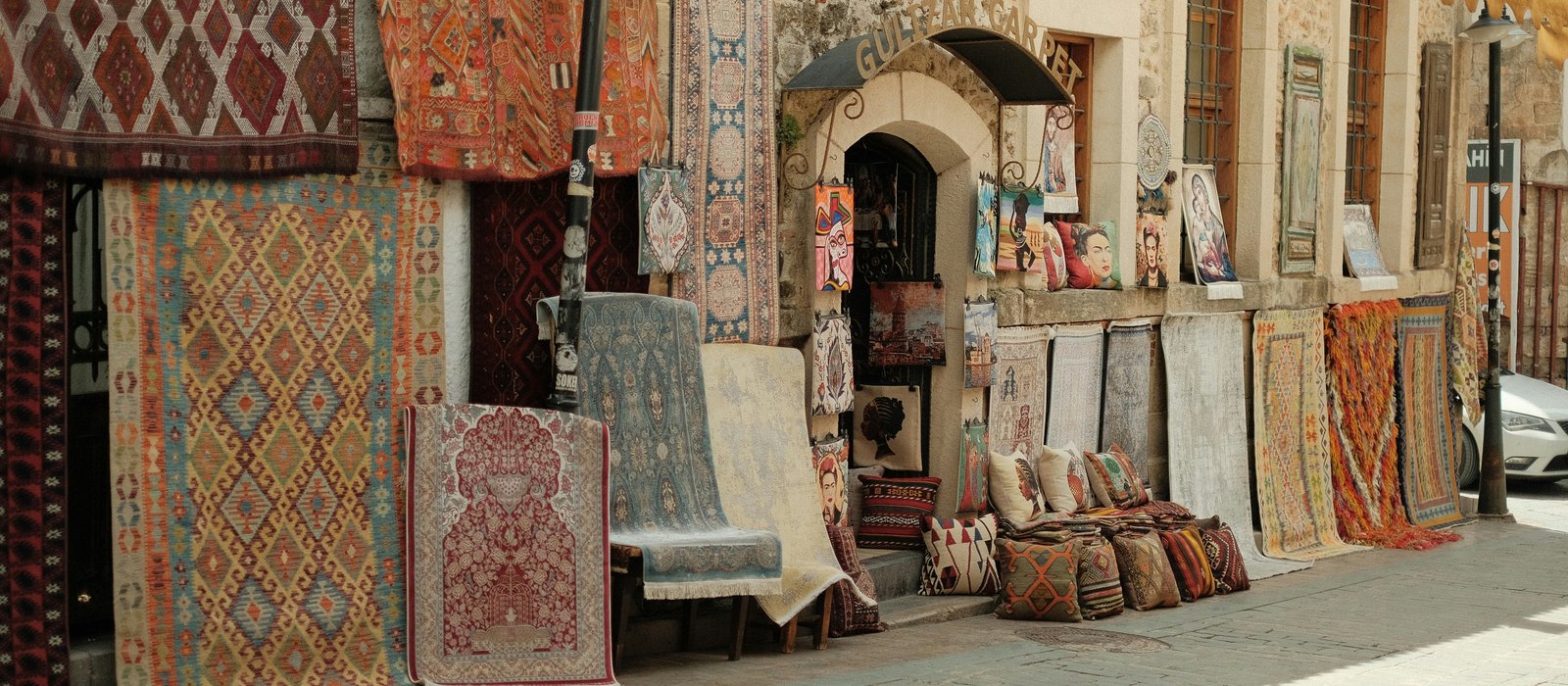
A hand-knotted Turkish rug can be the souvenir of a lifetime — or an expensive mistake. Carpet shops are a Turkish institution, and the good ones are run by knowledgeable, honest dealers; but the trade also has its share of high-pressure tactics aimed at tourists. Here's how to buy with confidence, judge quality, and avoid the traps.
Carpet vs kilim, wool vs silk
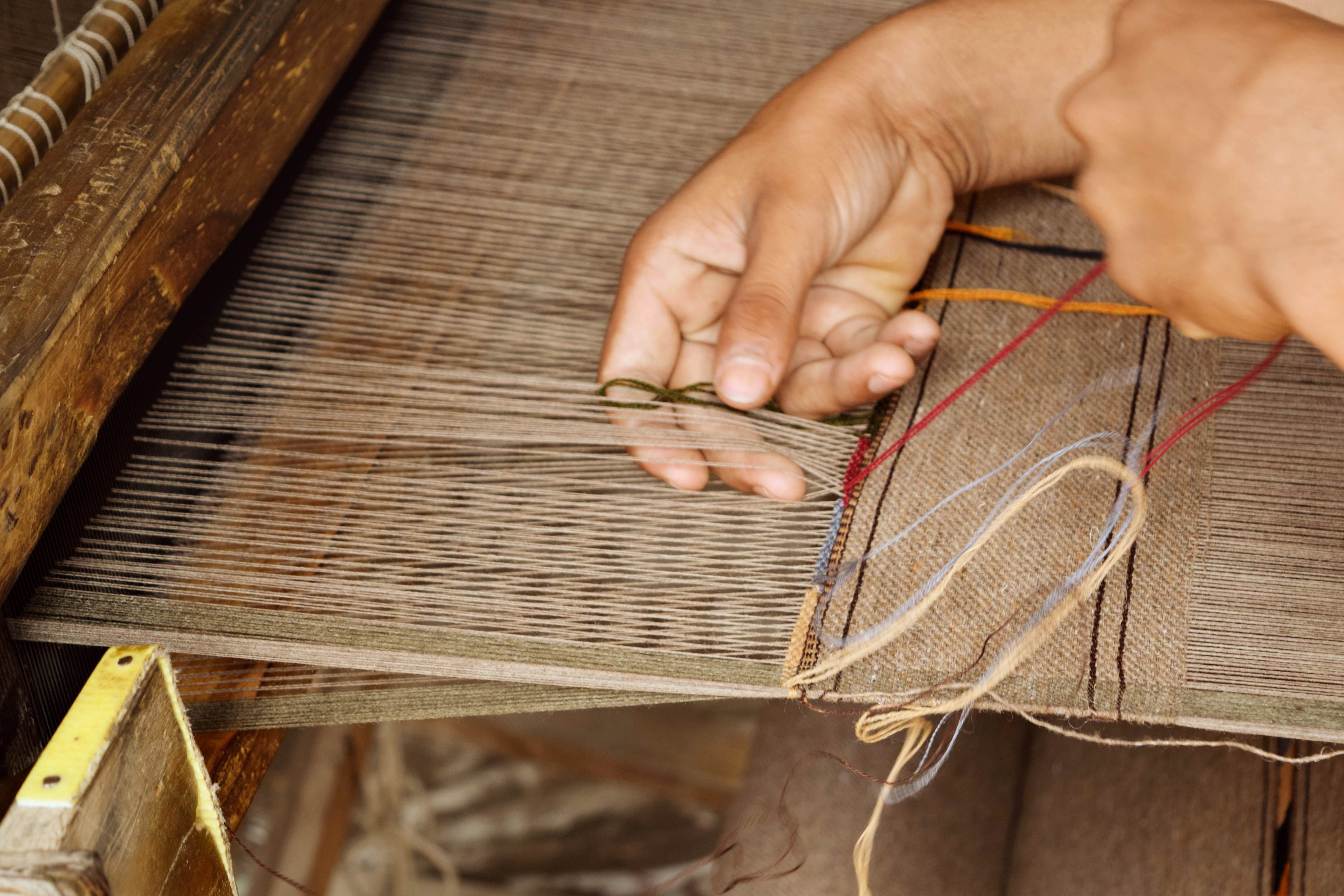
First, know what you're looking at. A carpet (halı) is pile-knotted and thick; a kilim is flat-woven, thinner, and reversible, usually cheaper. Materials range from wool (durable, most common, good value), to cotton (often used for the foundation), to silk (finest, most expensive, with a higher knot count and a sheen). Silk-on-silk rugs command the highest prices. Knowing which you want — and being clear that you can tell the difference — changes how you're treated.
How to judge quality
A few checks help you assess a rug:
Knot density — flip it over; more knots per square inch generally means finer, more detailed, more valuable work.
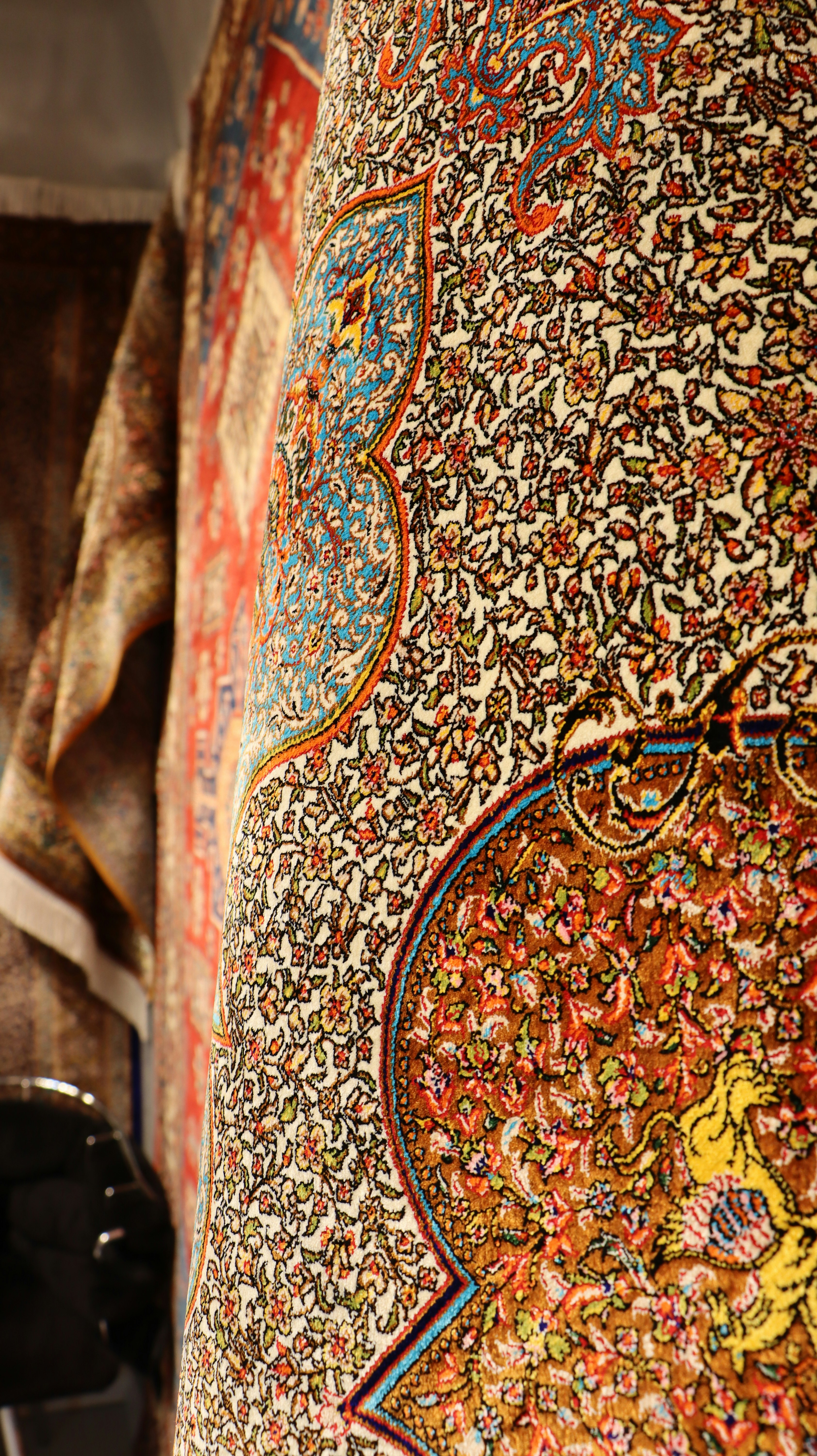
Material — real silk is cool to the touch, has an irregular sheen, and (a dealer may demonstrate) burns to a fine ash smelling of hair, not plastic. Be wary of "art silk" (mercerized cotton or rayon) sold as silk.
Dyes — natural vegetable dyes age beautifully; ask whether dyes are natural or synthetic.
Evenness — check that the rug lies flat, the edges are straight, and the pattern is consistent.
Understanding price and bargaining
Rug pricing is opaque by design, and there's no fixed "sticker" — it depends on size, material, knot count, age, and origin. Because there's no published price, bargaining is essential, and opening prices to tourists are often dramatically inflated. The single best protection is to shop around first: visit a few shops to learn the range for the type of rug you want before buying. Take your time, never buy under pressure, and be ready to walk away — a willingness to leave is your strongest card. Remember the comfortable tea and conversation are part of the sales craft; enjoy them, but don't let them obligate you.
Why rugs come in so many styles
Part of the pleasure of buying a Turkish rug is understanding what you're choosing among. Different regions developed distinct traditions — the geometric kilims of Anatolia, the fine knotwork of Hereke (historically associated with silk court rugs), the bold medallions of various weaving towns. Patterns carry meaning, with motifs for protection, fertility, and luck woven into the designs. You don't need to become an expert, but asking a dealer about a rug's origin, age, and the meaning of its patterns does two things: it deepens your appreciation, and it signals you're a discerning buyer rather than an easy mark. Honest dealers love talking about this; evasiveness is a red flag.
The common tricks to know
Forewarned is forearmed. Watch for: art silk sold as real silk at silk prices; the "commission guide" — a friendly local or driver who brings you to a particular shop and earns a cut added to your bill; high-pressure marathons where rug after rug is unrolled until you feel obliged to buy; and dubious claims of "antique" or "museum-quality" status. None of this means the rug is bad — just that you should verify independently and not pay a premium on the seller's word alone.
Shipping and getting it home
Most reputable dealers can ship a rug internationally, and many travelers do this rather than lug it home. If you ship, get everything in writing: the exact rug (photograph it), the price, shipping cost, and timeline. Pay by credit card where possible for protection. Keep documentation for customs — the US generally allows personal rug imports, but keep your receipt. For valuable purchases, a dealer who provides a certificate of authenticity and clear paperwork is a good sign. Buy from an established shop with a real storefront, and the odds of a smooth experience rise sharply. Bought carefully, a Turkish rug is a genuine heirloom; bought carelessly, it's a costly lesson.
FAQ
How do I avoid getting scammed buying a Turkish rug?
Shop around first to learn fair prices, never buy under pressure, verify silk is real (not "art silk"), avoid commission "guides," and get all terms in writing if shipping.
How can I tell if a rug is real silk?
Real silk is cool to the touch with an irregular sheen, has a high knot count, and burns to fine ash smelling of hair. "Art silk" (rayon/mercerized cotton) is a common substitute sold as silk.
Should I bargain for a Turkish rug?
Yes — there's no fixed price and opening offers to tourists are often inflated. Bargaining is expected, and walking away is your strongest tool.
Can I ship a Turkish rug home?
Yes, most reputable dealers ship internationally. Get the rug, price, shipping, and timeline in writing, photograph it, and pay by card for protection.