Few place names carry the mythic weight of Troy. The setting of Homer's Iliad, the city of Helen, Hector, and the wooden horse, was long thought to be pure legend until 19th-century excavations proved a real city stood here. Today the ruins in northwest Turkey reward travelers who arrive with their imagination primed — less for towering monuments than for the extraordinary depth of history underfoot. Here's how to visit and what to expect.
Setting expectations
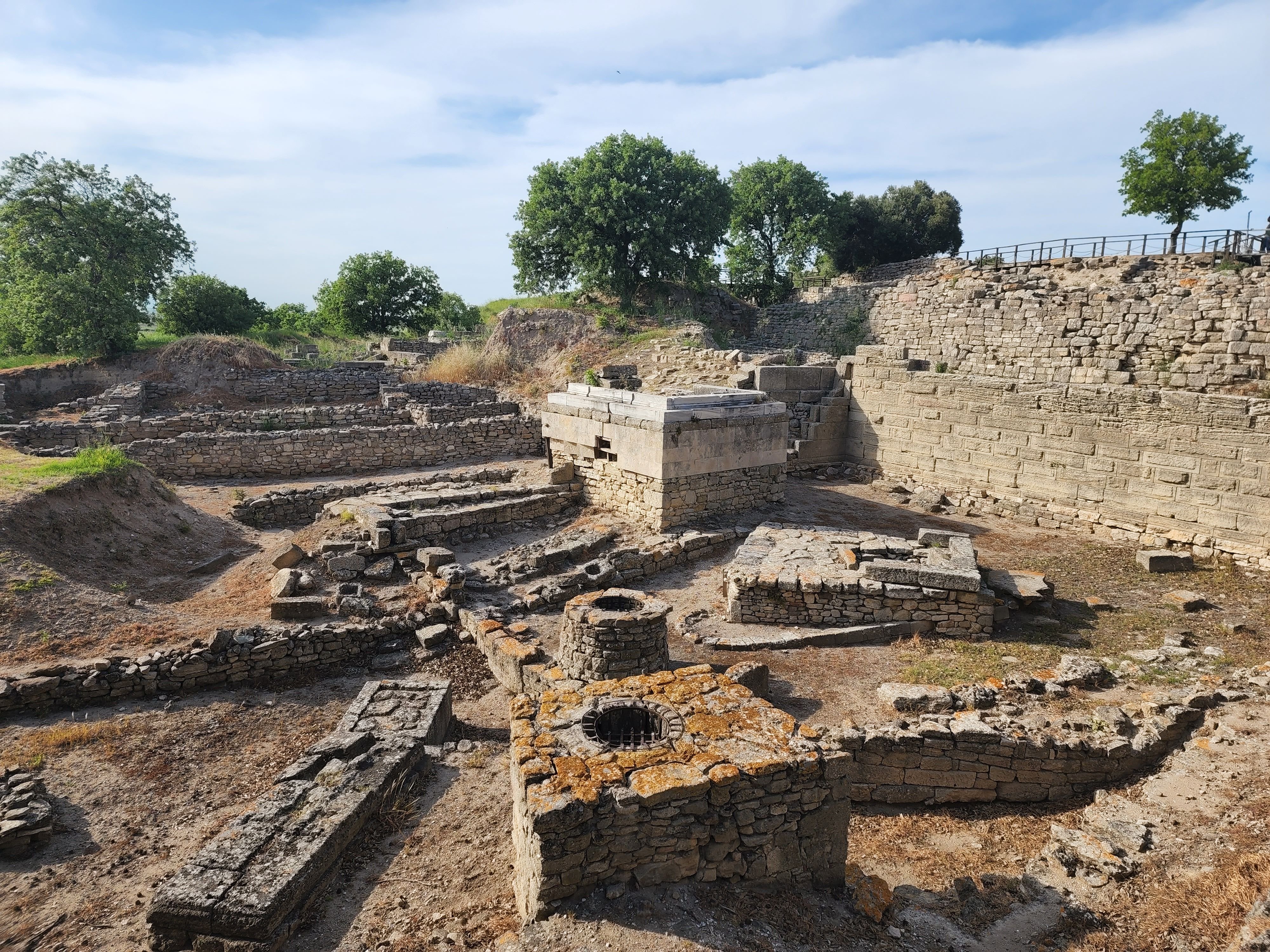
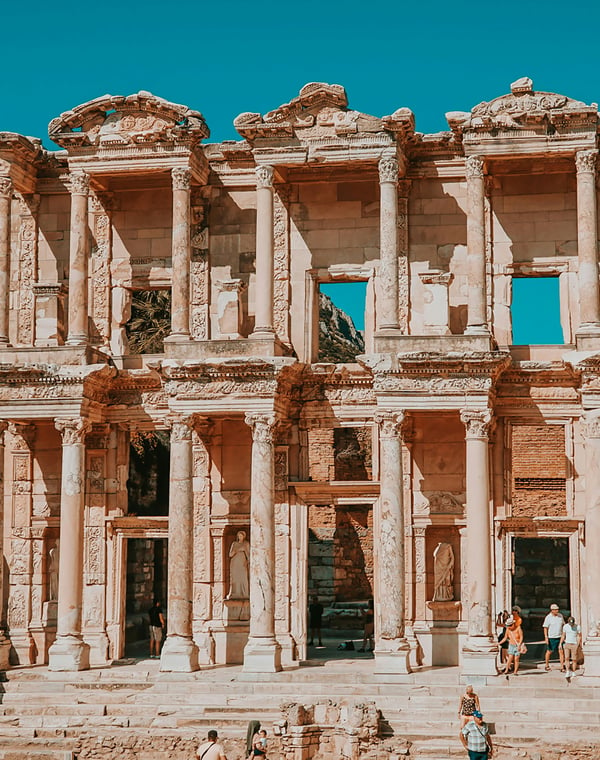
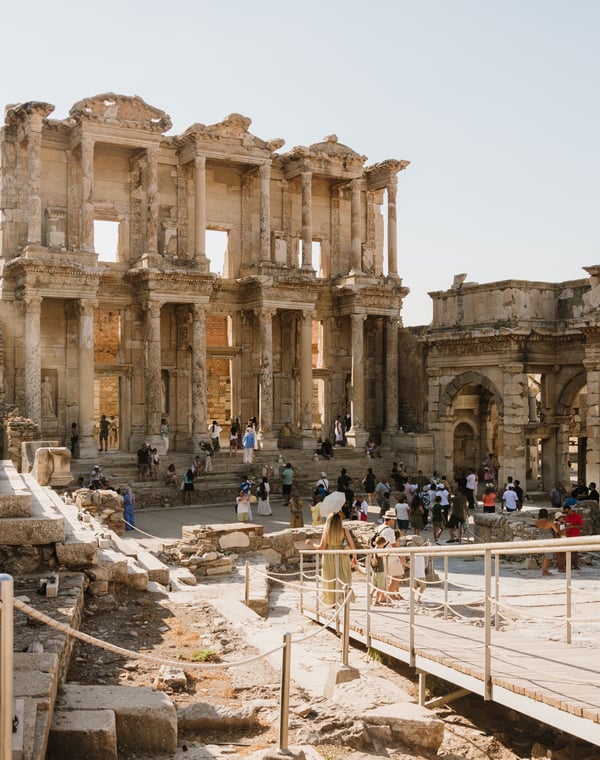
Be honest with yourself before you go: Troy is not a spectacular standing city like Ephesus. What survives is a complex, layered archaeological site where excavated walls, foundations, ramps, and trenches tell a story that spans thousands of years. The thrill is intellectual and atmospheric — standing where myth and history converge — rather than visual grandeur. Visitors who come expecting the movie set leave underwhelmed; those who come for the layered past and a great guide leave moved.
The nine cities of Troy
The site's defining feature is that it isn't one city but at least nine, built one atop another across some 4,000 years, labeled Troy I through Troy IX. Walking the site, you can see different eras exposed in the excavation walls — Bronze Age fortifications, Hellenistic and Roman layers. The Troy of Homer's epic is generally associated with one of the middle layers. A guide, or at least good signage and a little reading beforehand, is what makes these layers legible rather than a confusing jumble of stone.
The Troy Museum
Don't skip the excellent Troy Museum, a striking modern rust-colored cube near the site that opened in recent years. It provides the context the ruins themselves can't — displaying artifacts, telling the story of the excavations and the controversy over "Priam's Treasure," and walking you through the layers chronologically. Visiting the museum first, then the site, dramatically improves the experience.
The story behind the stones
Part of what makes Troy compelling is the tale of its rediscovery. For centuries the city was dismissed as myth, until the German businessman-turned-archaeologist Heinrich Schliemann began digging here in the 1870s, convinced Homer described a real place. He found it — along with a hoard of gold he famously dubbed "Priam's Treasure," smuggled out of the country in a saga that still stirs controversy over where the artifacts belong. His crude early methods also damaged parts of the site, a cautionary tale in archaeology. Knowing this backstory turns a walk through the trenches into something richer: you're seeing not just an ancient city but the birthplace of modern archaeology, mistakes and all.
How to get there
Troy sits near the city of Çanakkale in northwest Turkey, on the Asian side of the Dardanelles. Most visitors base in Çanakkale, a pleasant university town reachable by bus from Istanbul (several hours) or a short flight to nearby airports. From Çanakkale it's a short drive or dolmuş ride to the site. Travelers already heading to this corner of the country often pass the WWI battlefields of Gallipoli across the strait, so the two are sometimes seen on the same regional trip — though Troy itself is the focus here. It also fits naturally with Pergamon further south on an Aegean ruins route.
Is it worth it?
For travelers with a love of the classics, mythology, or archaeology, absolutely — there's a genuine frisson to standing at Troy. For those chasing dramatic, photogenic ruins on a tight schedule, Ephesus and Pergamon deliver more visual impact. If your route takes you through the northwest — toward Gallipoli or down the Aegean — Troy is an easy and meaningful addition. See our guide to Turkey's best ancient ruins to see where it fits among the country's great sites.
How long to spend
Plan on roughly half a day for the full experience: an hour or so in the Troy Museum followed by an hour or two at the site itself, more if you're with a guide who brings the layers to life. Combined with the Gallipoli battlefields across the strait, it becomes a full and meaningful day or an overnight in Çanakkale. The town itself is worth a wander too — a relaxed waterfront, good seafood, and a famous wooden-horse prop from the Hollywood film displayed on the promenade. Treat Troy as a thoughtful stop on a northwest route rather than a destination in itself, and it delivers.
FAQ
Is Troy worth visiting?
For lovers of mythology, the classics, or archaeology, yes — it's the legendary city of the Iliad. For dramatic standing ruins, Ephesus and Pergamon are more visually impressive.
What is there to see at Troy?
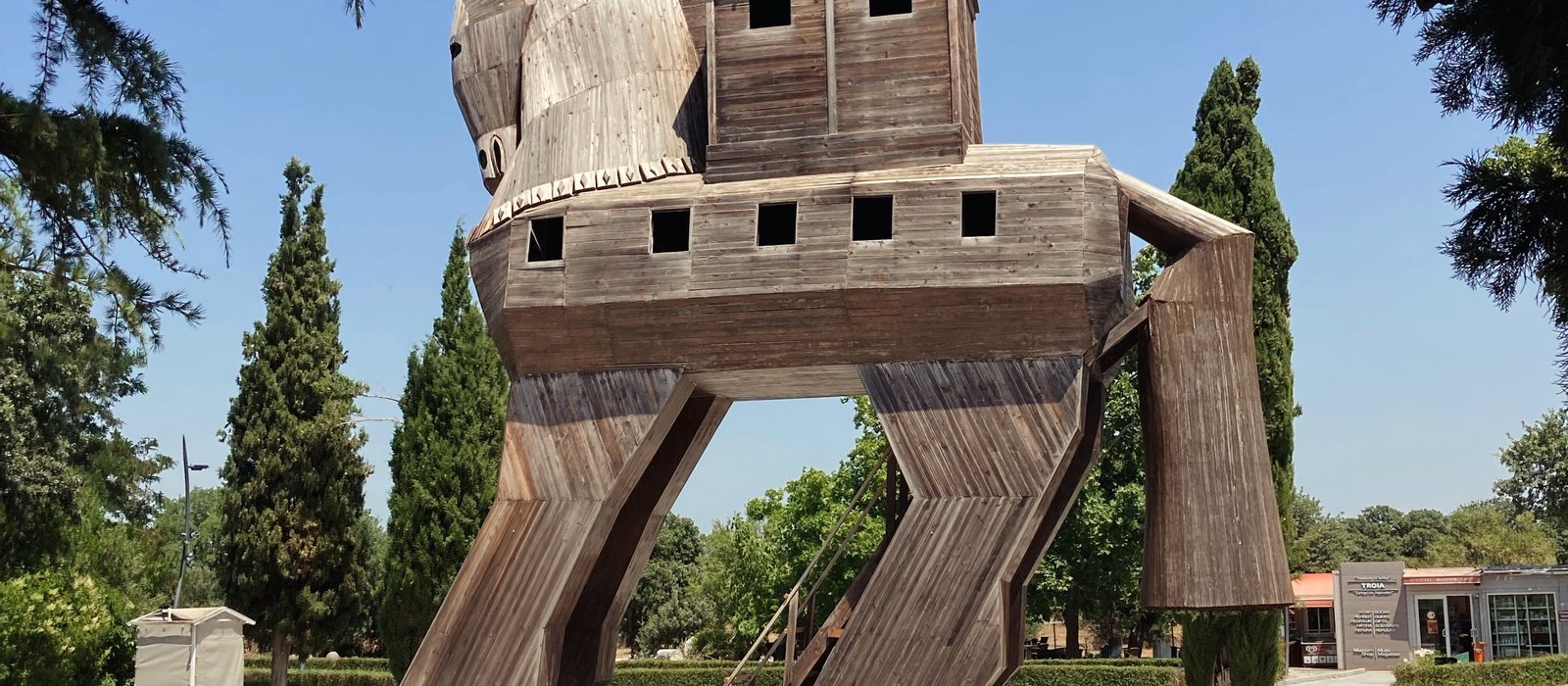
Layered excavations of at least nine cities spanning 4,000 years, a reconstructed wooden horse, and the excellent modern Troy Museum nearby.
How do I get to Troy?
Base in Çanakkale, reachable by bus from Istanbul or a short flight, then drive or take a dolmuş to the site. It's often combined with Gallipoli.
Should I visit the Troy Museum?
Yes — visit it first for context, then the site. It displays artifacts and explains the excavations and the nine layers far better than the ruins alone.
Keep planning
Not sure how it all fits together?
Pick your trip length and we'll point you to the right day-by-day itinerary.