Turkey is a big country, but getting around is easy and cheap once you know the options. Domestic flights link the regions, an excellent bus network covers everywhere, and cities have good public transit. Here's how to travel around Turkey efficiently, region to region and within cities.
Domestic flights — the backbone of a multi-region trip
For covering distance, domestic flights are the key. They're cheap, frequent, and fast, and they're what make a multi-region itinerary (Istanbul to Cappadocia to the coast) practical in a week or two. Turkish Airlines, its low-cost arm AJet, and Pegasus connect the main airports — Istanbul, Cappadocia (Kayseri/Nevşehir), Antalya, Izmir, and more. Book ahead for the best fares, and note Istanbul has two airports (IST and Sabiha Gökçen/SAW), so check which one your flight uses.
Intercity buses
Turkey's intercity bus network is extensive, comfortable, and cheap — a genuine institution. Modern coaches with snacks and Wi-Fi connect virtually every town, often overnight for longer routes. Buses depart from each city's otogar (bus station). They're slower than flying but reach places planes don't and cost very little, making them great for shorter hops and budget travel.
Trains
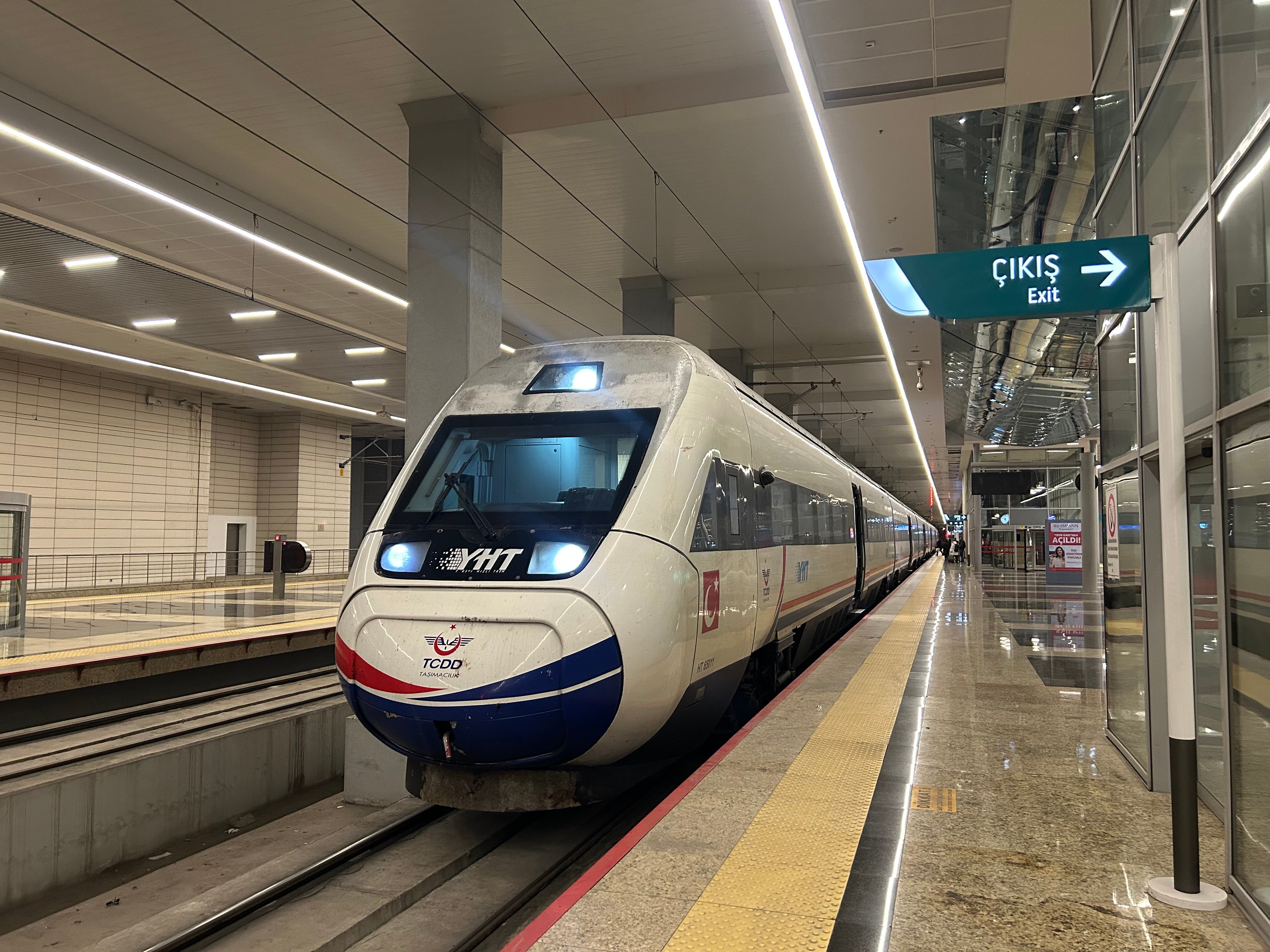
Turkey's high-speed rail (YHT) is comfortable and scenic where it runs — notably connecting Istanbul, Ankara, and Konya, and Ankara to Sivas — but the network is limited, so it covers only some routes. Where it exists, it's a pleasant, well-priced alternative to flying or the bus, especially the Ankara–Konya leg for visiting the whirling dervishes.
Taxis and ride apps
In cities, taxis are plentiful and cheap. To avoid the occasional overcharging of tourists, use the BiTaksi or iTaksi apps to hail licensed metered taxis in Istanbul; Uber operates in Istanbul (it dispatches licensed taxis) but availability varies elsewhere. Always insist on the meter if you flag a taxi on the street. Within cities, public transit — Istanbul's trams, metro, ferries, and the Istanbulkart travel card — is efficient and inexpensive.
Renting a car
A rental car isn't needed for the cities (parking and traffic make it a hassle in Istanbul) but is excellent for the coast, Cappadocia, and rural exploring, where it unlocks freedom between scattered sights. A few essentials for Americans: you drive on the right, same as the US; a US license is generally accepted for short visits, though an International Driving Permit (IDP) is recommended and sometimes required — confirm the current requirement before you travel. Roads are generally good; drive defensively, as local driving can be assertive, and budget for tolls on highways (handled electronically).
Getting around within cities
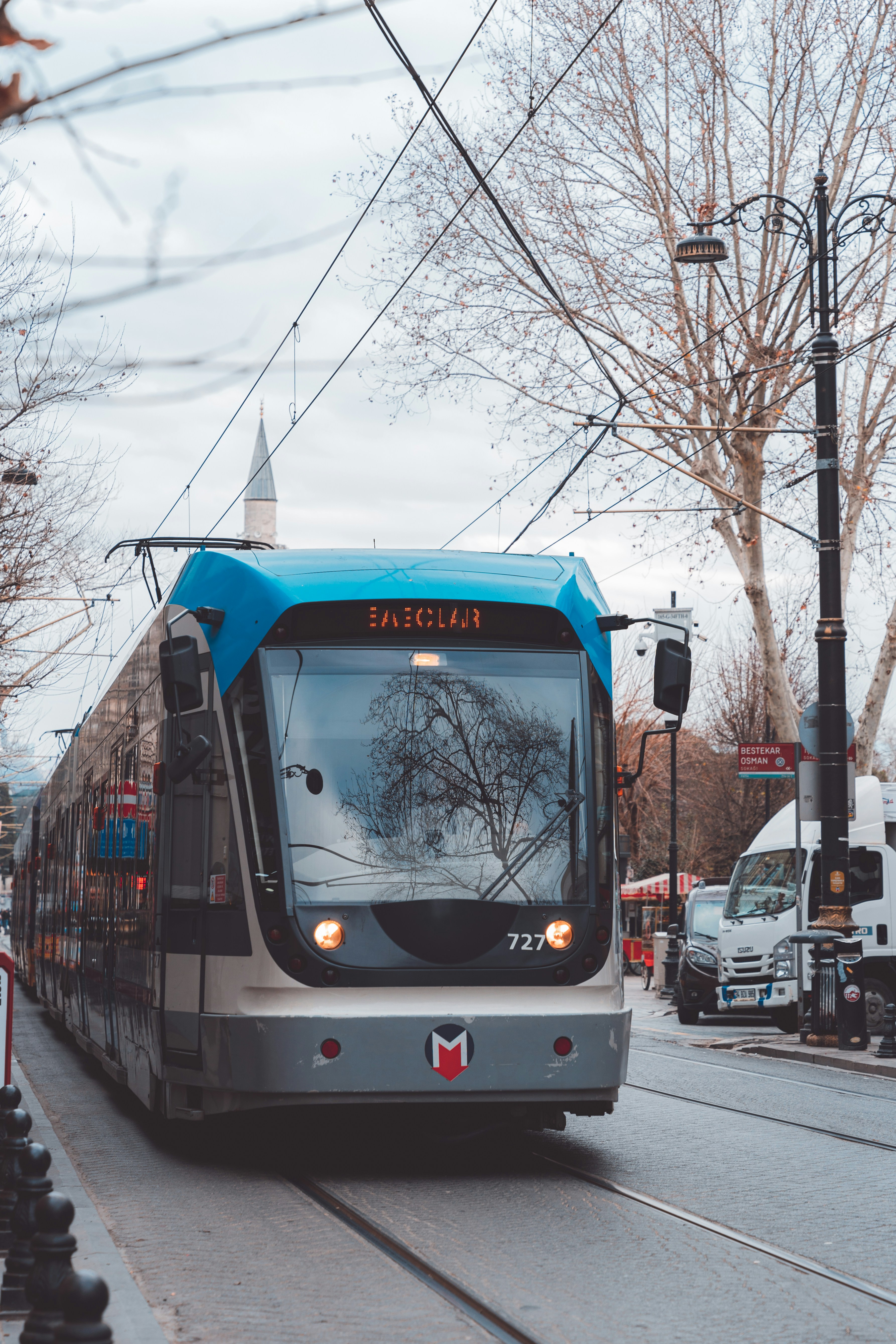
City transport deserves its own note, since it's where you'll spend a lot of your local moving-around. Istanbul has an excellent integrated network — trams, metro lines, funiculars, and the iconic ferries that cross between the European and Asian sides and up the Bosphorus. A single rechargeable Istanbulkart works across all of them and makes travel cheap and seamless; the ferries in particular double as gorgeous, bargain sightseeing. Other cities have their own systems — Izmir has a metro and ferries, Antalya a tram — and the shared dolmuş minibuses fill gaps everywhere, running set routes for a small fare. For short city hops, walking and transit usually beat taxis for both cost and speed.
How to put it together
For a typical trip, the winning combination is domestic flights between regions and local transport or a rental car within them — fly Istanbul to Cappadocia, then use tours or a car locally; fly to the coast, then drive the shore. Buses fill in the budget gaps, and trains are a nice option on their limited routes. With cheap flights doing the heavy lifting, getting around Turkey is one of the easier parts of planning a trip.
Accessibility and practical notes
A few practical realities help you plan. Turkey's transport is generally reliable but allow buffer time around the two major Bayram holidays, when domestic travel and roads get extremely busy. Signage and apps are increasingly English-friendly in tourist areas, less so off the beaten path, so a translation app helps. For travelers with mobility needs, the modern airports, high-speed trains, and newer metro lines are well-equipped, but older areas, cobbled streets, and cave-hotel hillsides can be challenging — worth researching ahead. And whatever mode you choose, Turkey's transport is cheap enough that you rarely need to optimize for cost; optimize for time and comfort instead, leaning on flights for the long hauls and saving the scenic buses and trains for where they shine.
FAQ
What's the best way to get around Turkey?
Cheap, frequent domestic flights for distance between regions, plus local transport or a rental car within each region. Buses and limited high-speed trains fill in.
Are domestic flights in Turkey cheap?
Yes — Turkish Airlines, AJet, and Pegasus offer cheap, frequent flights that make multi-region trips practical. Book ahead for the best fares.
Not for the cities, but a car is great for the coast, Cappadocia, and rural areas. You drive on the right; an International Driving Permit is recommended — confirm current rules.
How do I avoid taxi overcharging?
Use the BiTaksi or iTaksi apps for licensed metered taxis in Istanbul, or insist on the meter if you flag one on the street.