Konya is the spiritual heart of Turkey — the city of the 13th-century poet and mystic Rumi (Mevlana) and the birthplace of the whirling dervishes. More conservative and traditional than the coast or Istanbul, it offers a different, quieter side of the country: a revered shrine, beautiful Seljuk architecture, and a meditative dance that has drawn pilgrims and travelers for centuries. Here's how to visit.
The Mevlana Museum and Rumi's shrine
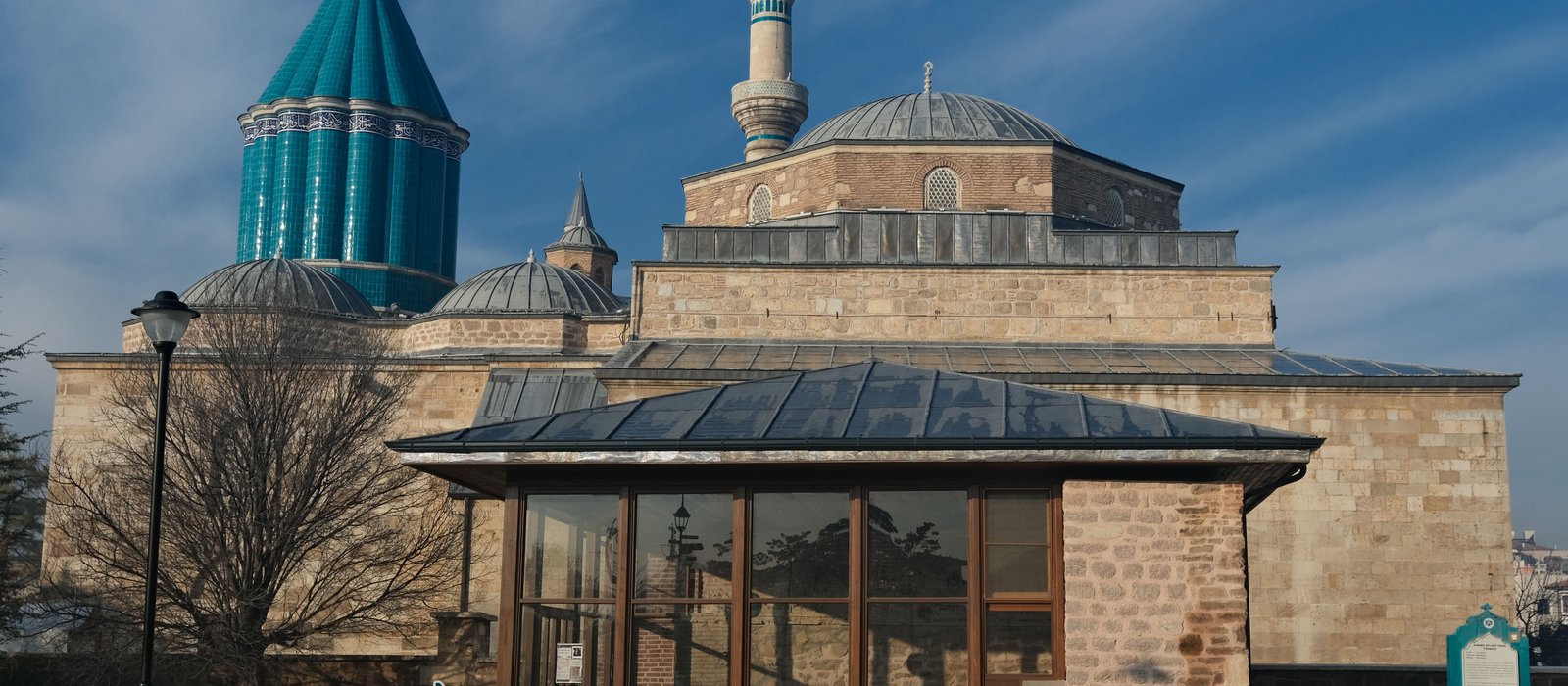
The centerpiece is the Mevlana Museum, the former lodge of the Mevlevi order built around the tomb of Rumi, crowned by its distinctive fluted turquoise dome. It's both a museum and an active pilgrimage site — you'll see visitors in quiet prayer alongside tourists — so dress modestly (women cover their hair inside) and move respectfully. The interior holds Rumi's tomb, illuminated manuscripts, and relics of the order. It's one of the most atmospheric sacred spaces in Turkey.
The whirling dervishes and the Sema
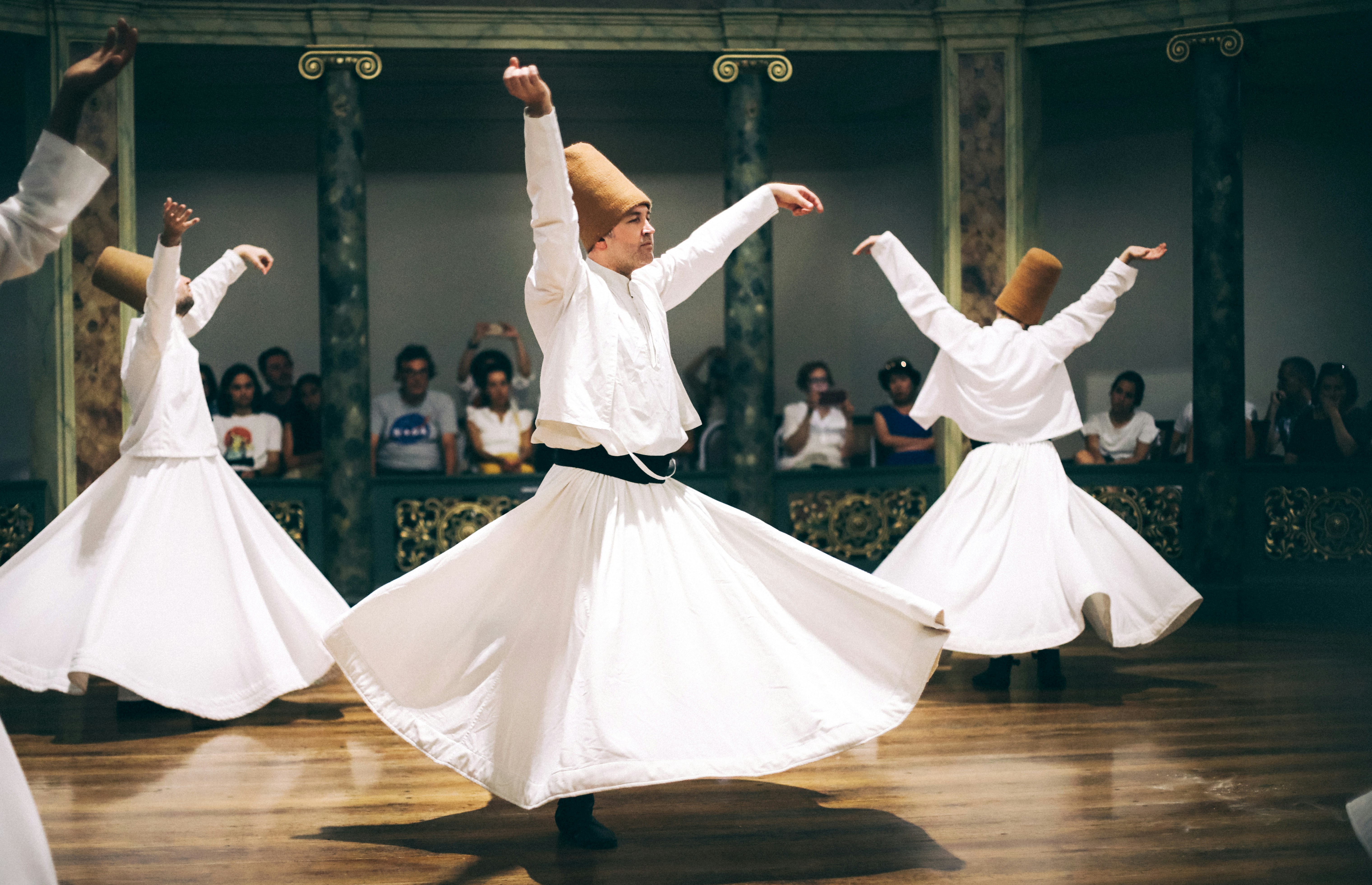
The Sema is the dervishes' ceremony of remembrance: clad in white robes and tall camel-hair hats, they spin in a slow, trance-like meditation, one hand turned up to the heavens and one down to the earth. It is a genuine religious rite, not a stage show, though visitor-friendly performances are held regularly. The most significant time to see it is during the annual Şeb-i Arus festival in December, which marks the anniversary of Rumi's death and draws crowds from around the world — verify the exact dates if you're planning around it.
A more conservative side of Turkey
Konya offers something the coast and Istanbul don't: a window into traditional, religiously observant Anatolia. The city is noticeably more conservative — dress is modest, the rhythm of the day follows the call to prayer, and alcohol is far less visible than in the resort towns. For American travelers, this contrast is part of the value: seeing Konya alongside cosmopolitan Istanbul and the beach coast gives a fuller, truer picture of how varied Turkey really is. Visitors are warmly received, and a little extra respect — modest clothing, quiet behavior at the shrine — goes a long way.
What else to see
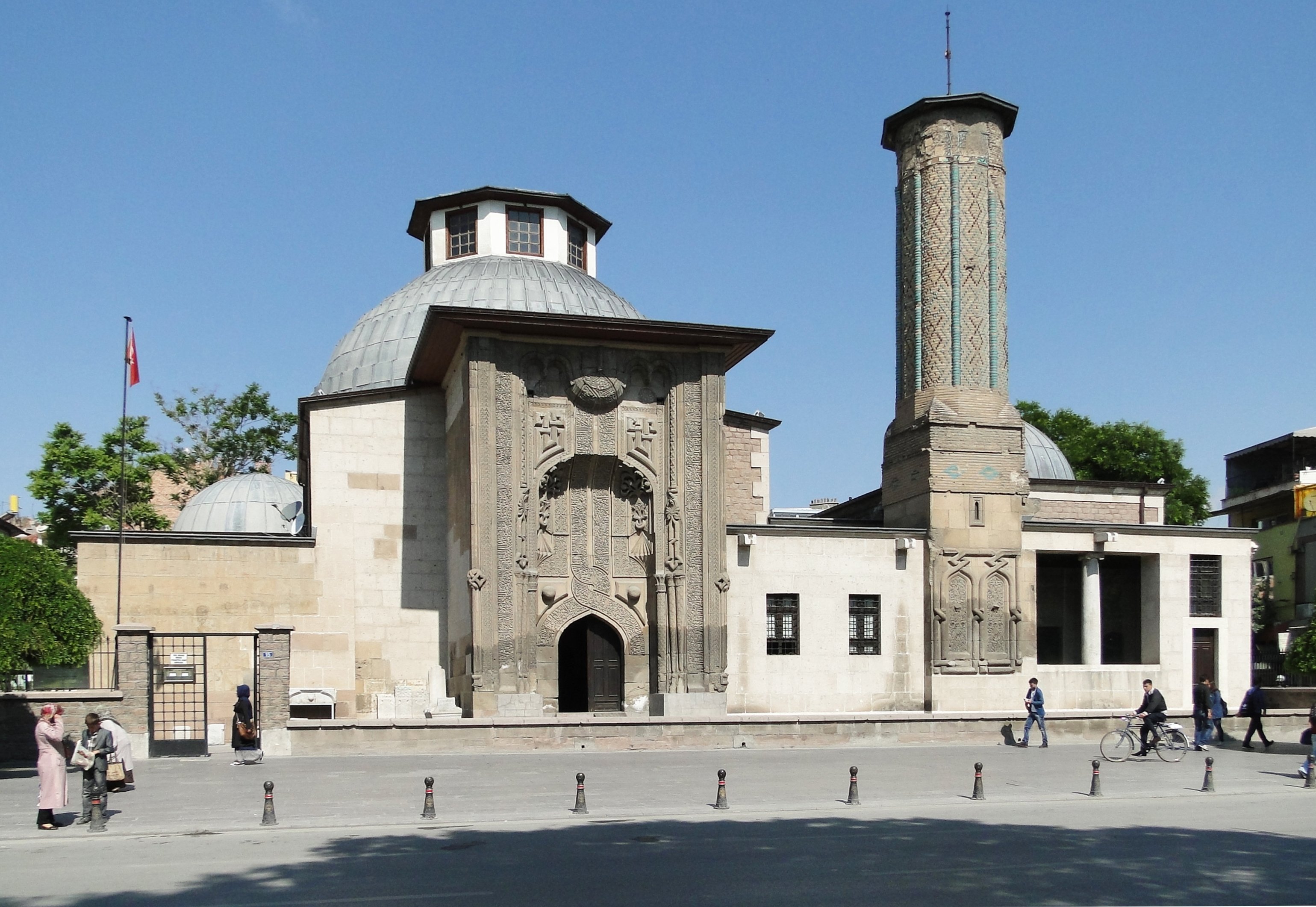
Beyond the shrine, Konya has a rich legacy as a former Seljuk capital: the Alâeddin Mosque atop the central hill, the intricately carved Karatay Medrese (now a tile museum), and the İnce Minareli Medrese with its famous carved portal. The city is also a gateway to Çatalhöyük, one of the world's oldest known settlements, a UNESCO site a short drive south.
Understanding Rumi's legacy
It helps to know why Konya matters before you go. Rumi — known in Turkey as Mevlana — was a 13th-century Persian poet and Sufi mystic whose verses on love and the divine are among the most widely read poems in the world, including in the US. After his death, his followers founded the Mevlevi order, whose meditative whirling became its signature practice. Konya was the center of this world, and the city still carries that contemplative atmosphere. Reading a few of Rumi's poems before visiting makes the shrine and the Sema far more meaningful — you're stepping into the home of one of history's great spiritual voices, not just another monument.
How to visit
Konya sits on the high-speed rail (YHT) line, making it an easy ride from Ankara or a longer connection from Istanbul; it also has its own airport. Many travelers visit Konya as a stop between Ankara and Cappadocia, or as a focused day trip. A few hours covers the Mevlana Museum and the central Seljuk monuments. As a conservative city, modest dress is appreciated, and note that alcohol is less available than on the coast. Like the rest of Turkey, Konya is good value for Americans thanks to the weak lira — check current rates when booking. Many visitors find that a focused half-day or overnight, paired with Ankara or slotted between western Turkey and Cappadocia, is the most rewarding way to fit Konya into a wider trip without it feeling like a detour.
FAQ
What are the whirling dervishes?
They are members of the Mevlevi Sufi order founded on Rumi's teachings, who perform the Sema — a spinning, meditative ceremony of remembrance — in white robes and tall hats.
What is the Mevlana Museum?
It's the former Mevlevi lodge built around the tomb of the poet-mystic Rumi, marked by its turquoise fluted dome. It's both a museum and an active pilgrimage site.
When can I see the Sema ceremony?
Visitor-friendly performances run regularly through the year; the most significant time is the Şeb-i Arus festival each December. Confirm dates and venues when planning.
How do I get to Konya?
By high-speed train (YHT) from Ankara or Istanbul, or by air. Many travelers visit as a stop between Ankara and Cappadocia.
Do I need to dress conservatively in Konya?
Konya is more traditional than the coast. Modest dress is appreciated, and you must cover up (women cover their hair) inside the Mevlana shrine.
Keep planning
Not sure how it all fits together?
Pick your trip length and we'll point you to the right day-by-day itinerary.