Beyond its mosques and ruins, Turkey is a country of astonishing natural variety — surreal volcanic valleys, cascading white mineral terraces, turquoise coastlines, and dramatic gorges. Many of its greatest natural wonders are protected as national parks or special sites, and several sit right on the standard tourist route. Here are the ones worth building into a trip.
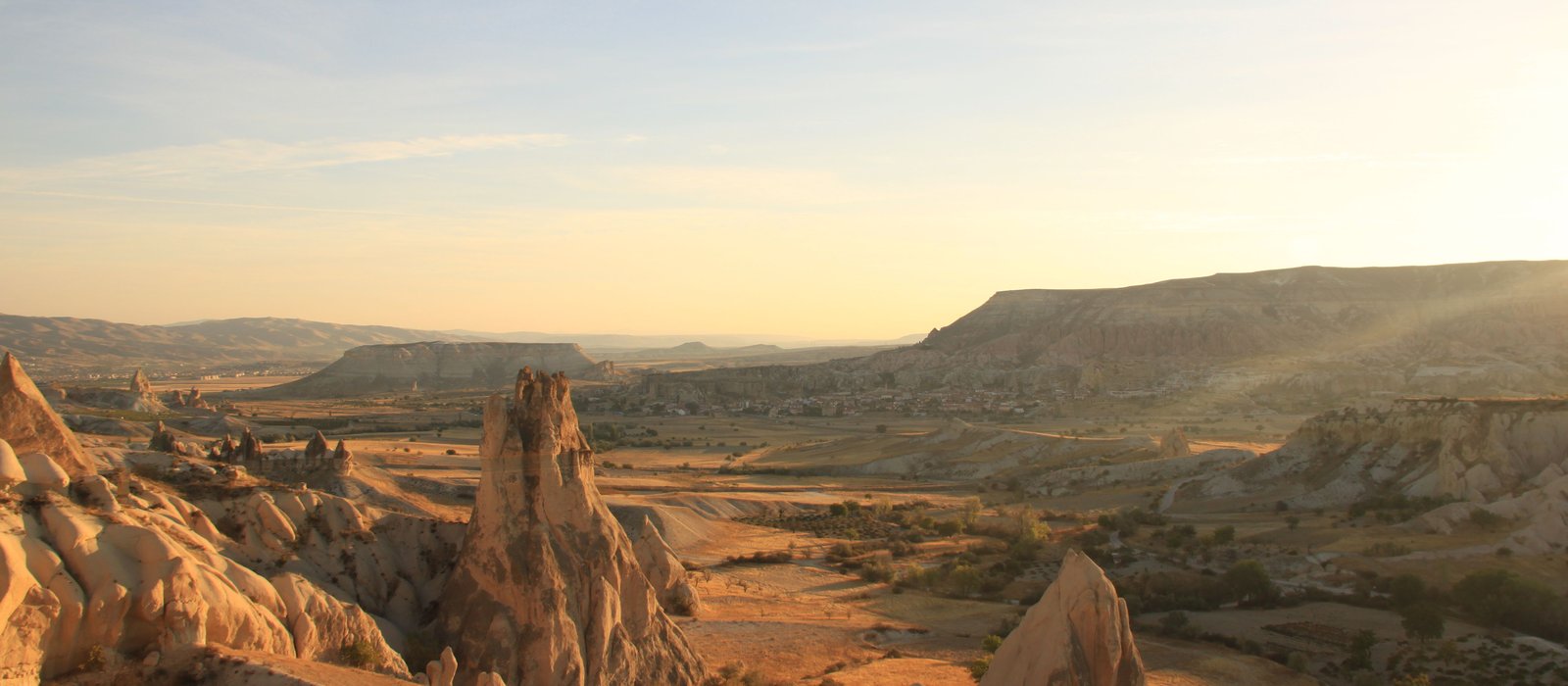
Cappadocia's fairy-chimney landscape
The single most otherworldly landscape in Turkey, the Göreme valleys and surrounding rock country are protected as a national park and UNESCO site. Wind and water carved the soft volcanic tuff into "fairy chimneys," honeycombed over centuries with cave dwellings and churches. You can hike the Rose, Red, and Pigeon Valleys, descend into underground cities, and — most famously — watch it all from a sunrise hot air balloon. See our Cappadocia guide.
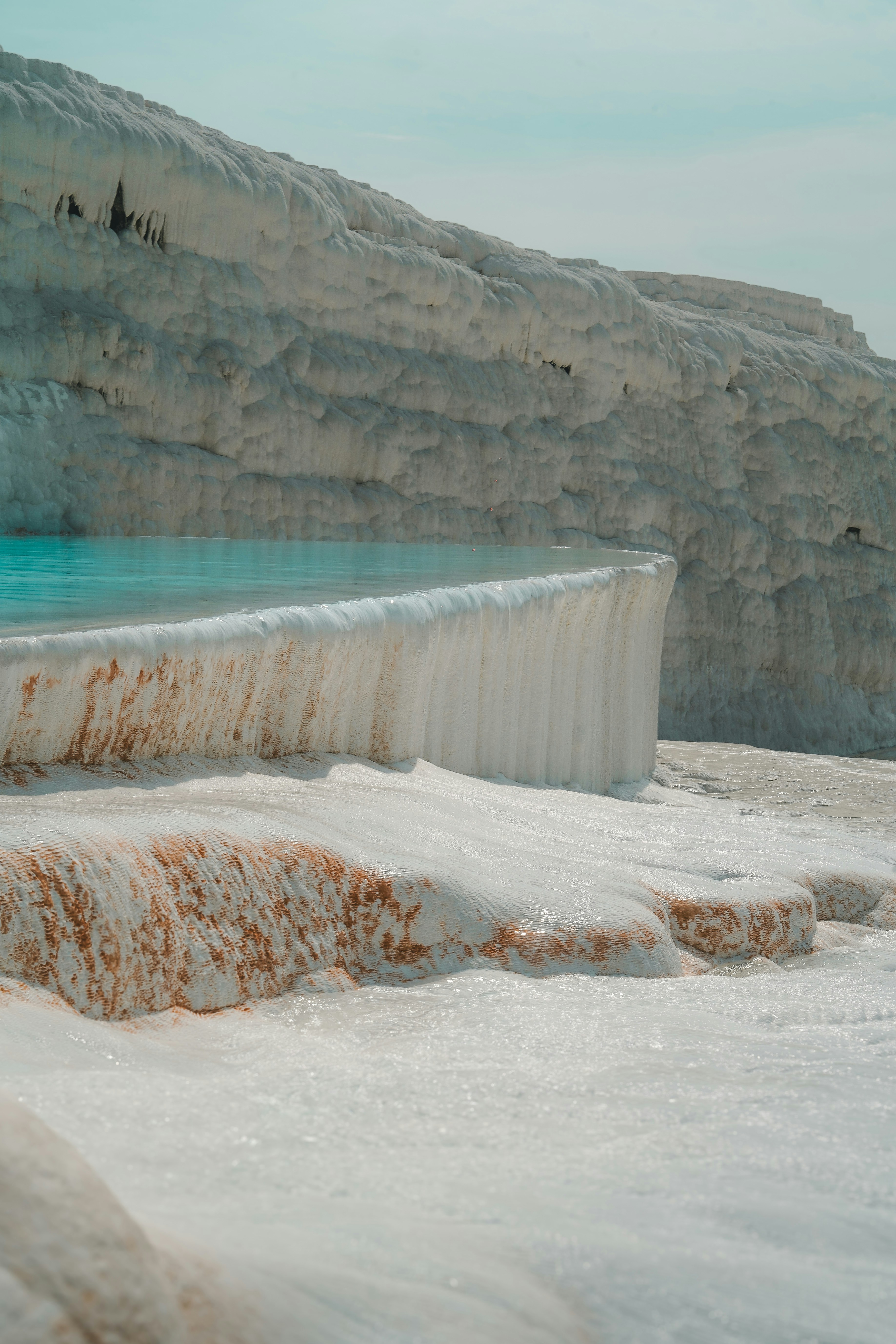
Pamukkale's travertine terraces
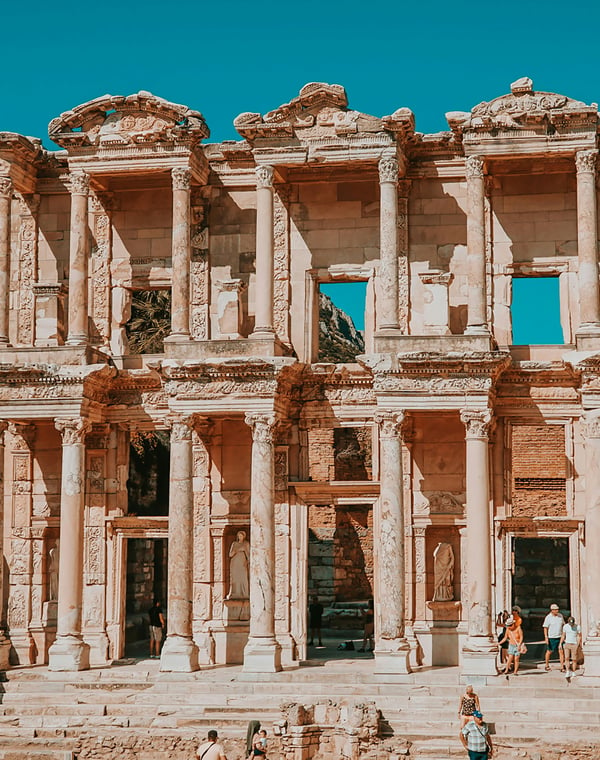
In the southwest, Pamukkale — "cotton castle" — is a hillside of brilliant white travertine terraces formed by mineral-rich thermal springs, with warm turquoise pools cascading down the slope. Topped by the ancient spa city of Hierapolis, it's one of the country's most photographed natural wonders and a combined natural-and-cultural site. See our Pamukkale guide.
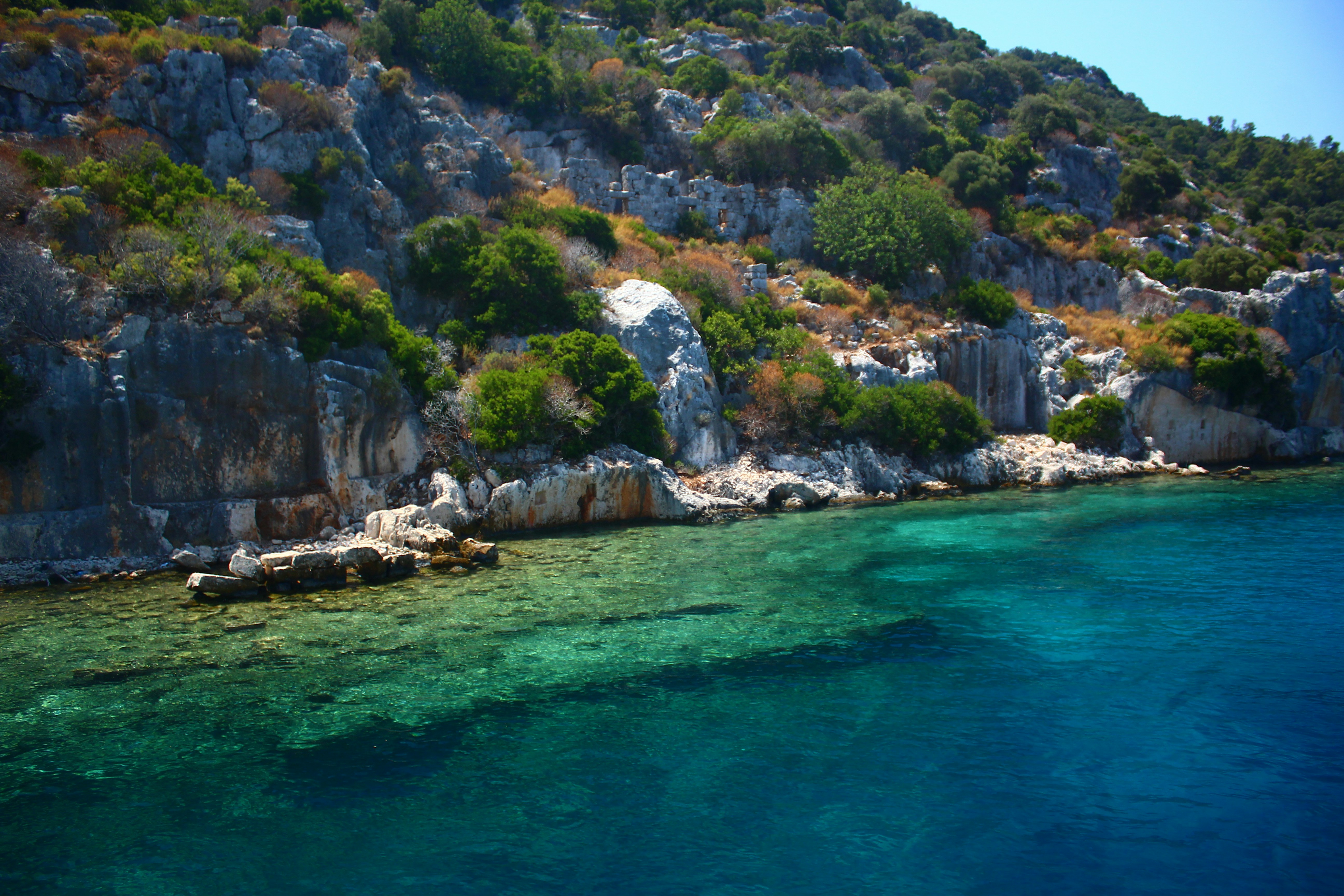
The Turquoise Coast and its gorges
The Mediterranean coast is a natural wonder in its own right — pine-clad mountains plunging into impossibly blue water, protected coves, and the famous Ölüdeniz Blue Lagoon inside its nature park. Inland, the dramatic Saklıkent Gorge near Fethiye offers a cool canyon walk between towering walls on a hot day, and the Lycian Way trail threads the whole coast. See our Turquoise Coast guide.
Off the beaten path: more natural highlights
Turkey rewards travelers who venture further with more natural variety than most realize. Lake Salda, with its white shores and turquoise water, has earned the nickname "Turkey's Maldives." In the east, vast Lake Van sits ringed by mountains, and the country's wildflower-rich highlands and forested Black Sea ranges offer cooler, greener scenery far from the tourist crowds. The Dilek Peninsula National Park near Kuşadası protects quiet Aegean beaches and hiking trails.
Cappadocia beyond the balloon
While the balloon gets the attention, Cappadocia's landscape rewards exploration on foot and underground. The valleys — Love, Rose, Red, Pigeon, and the longer Ihlara canyon — offer hikes ranging from gentle strolls to half-day treks among the rock formations, often with cave churches and viewpoints along the way. Below ground, the multi-level cities at Derinkuyu and Kaymaklı once sheltered thousands. It's one of the few places on Earth where the geology, the history, and the scenery are this tightly woven together, which is exactly why it anchors any nature-focused Turkey trip.
Black Sea and northern green
Most visitors never see it, but northern Turkey's Black Sea region is a different country climatically — misty, forested, and green, with tea and hazelnut plantations climbing steep hillsides and the dramatic Kaçkar Mountains rising behind. The highland yaylas (summer pastures), wooden villages, and waterfalls offer cool, lush scenery that surprises travelers who think of Turkey as sun-baked coast and arid interior. It's a worthy detour for repeat visitors or anyone seeking the outdoors away from the crowds.
When to go
For most of Turkey's natural wonders, spring (April–May) and fall (September–October) are ideal — comfortable temperatures, wildflowers in spring, and manageable crowds. Summer is hot and best suited to the coast and high country; winter brings snow to Cappadocia (magical for balloons) and the eastern highlands, while keeping the coast mild. Match the season to the landscape, and Turkey's outdoors delivers year-round in one form or another.
Combining nature with the rest of a trip
The good news for travelers is that Turkey's headline natural wonders fall right on the standard route, so you don't have to choose between culture and landscape. A classic first trip already delivers Cappadocia's valleys and, with a coastal extension, Pamukkale and the Turquoise Coast — three world-class natural sites without any special planning. Only the wilder, greener corners (the Black Sea highlands, Lake Van, the far eastern mountains) require a dedicated detour. For most visitors, simply building in a valley hike in Cappadocia, a morning at Pamukkale, and a few coastal days is enough to experience Turkey's remarkable natural range alongside its history and food.
FAQ
What are Turkey's most famous natural wonders?
The fairy-chimney valleys of Cappadocia, the white travertine terraces of Pamukkale, and the Turquoise Coast are the headliners, all on or near the standard route.
Does Turkey have national parks?
Yes — Göreme (Cappadocia), the Ölüdeniz area, the Dilek Peninsula, and many others protect the country's varied landscapes.
When is the best time for the outdoors in Turkey?
Spring and fall for most regions — comfortable temperatures and fewer crowds. Summer suits the coast; winter brings snow to Cappadocia and the east.
What's a good natural wonder off the beaten path?
Lake Salda, nicknamed "Turkey's Maldives" for its white shores and turquoise water, and Lake Van in the east.
Keep planning
Not sure how it all fits together?
Pick your trip length and we'll point you to the right day-by-day itinerary.