A visit to a hammam, the Turkish bath, is one of the most authentic — and most intimidating-sounding — experiences in Turkey. The reality is far more relaxing than first-timers fear. Part bathing ritual, part deep exfoliation, part social tradition stretching back centuries, a hammam is something every visitor should try at least once. Here's exactly what to expect so you can walk in confident.
What actually happens
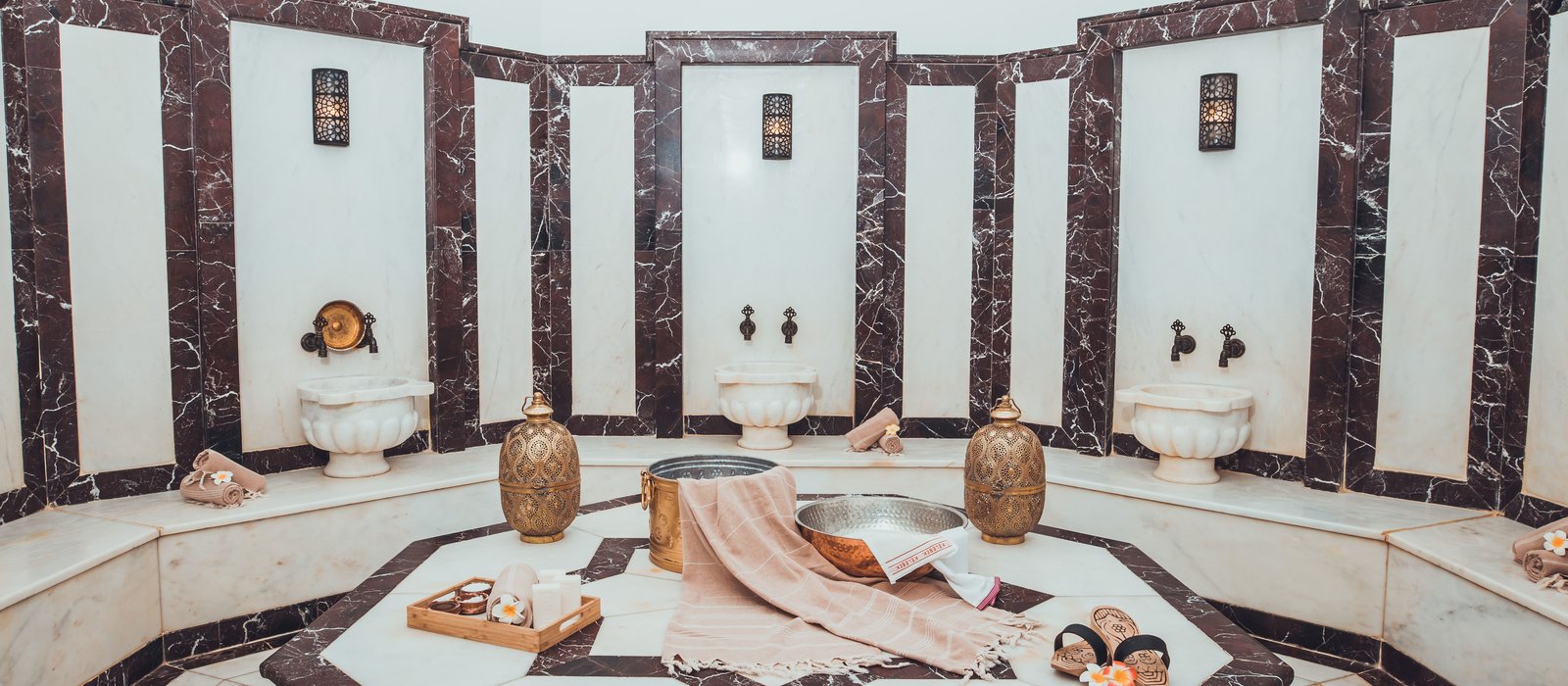
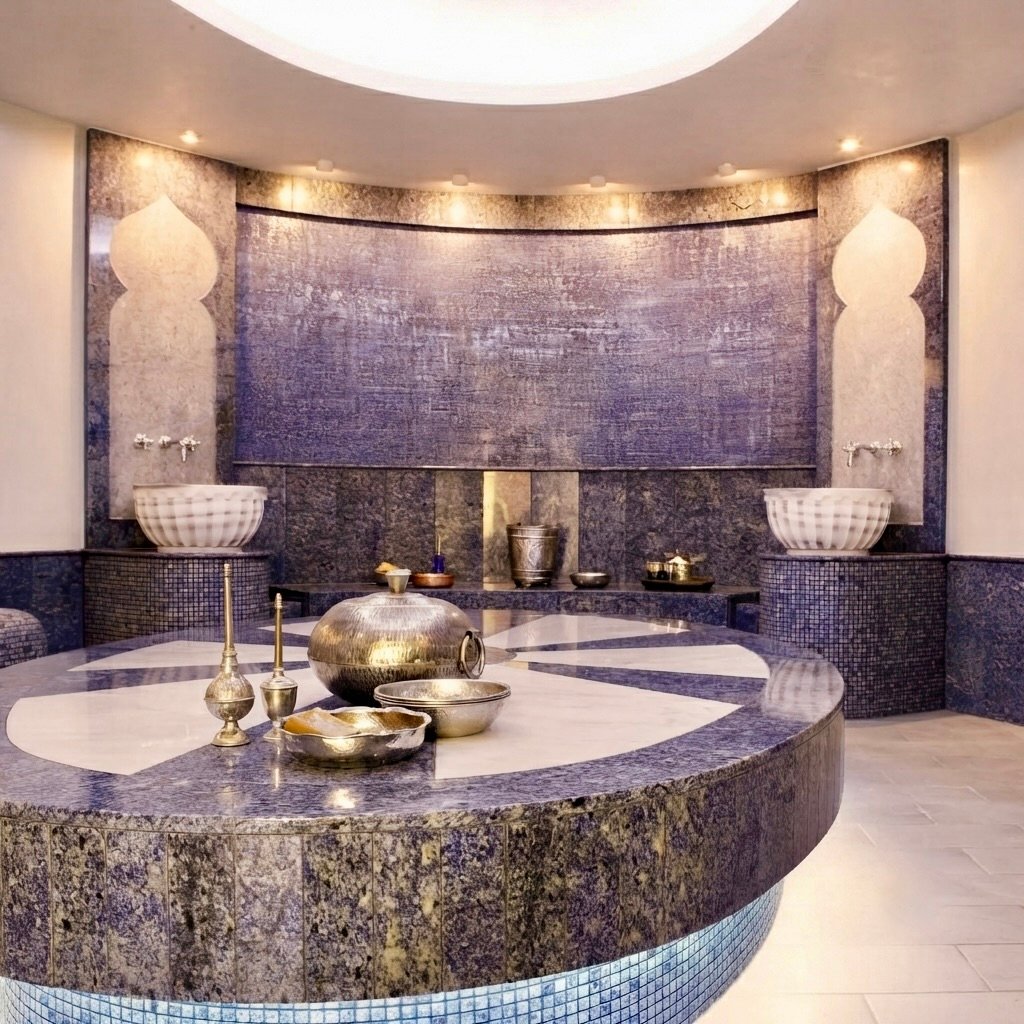
The classic sequence goes like this. You change and wrap in a thin cotton cloth (a peştemal), then enter a warm, marble, domed steam room and lie on the göbektaşı — a heated central marble platform — to sweat and relax for a while. An attendant then gives you a vigorous scrub with a coarse mitt (a kese), sloughing off astonishing amounts of dead skin, followed by a billowy soap-foam massage. You're rinsed with warm water poured from a bowl throughout, and finish by relaxing with tea. The whole thing takes roughly 45 minutes to over an hour depending on the package.
A quick history
The hammam tradition descends from Roman and Byzantine bathing culture, adapted and elevated under the Ottomans into a cornerstone of social life. For centuries, the neighborhood hammam was where people bathed, socialized, conducted business, and marked occasions — brides were bathed ceremonially before weddings, and the baths were among the few public spaces open to women. Many of Istanbul's grandest hammams were built by the great Ottoman architect Sinan and his school, which is why a visit to a historic one doubles as a visit to a centuries-old architectural masterpiece. Knowing that backstory adds a layer to the experience: you're not just getting clean, you're stepping into a living tradition hundreds of years deep.
What to wear and bring
Most travelers are unsure about this, so to be clear: you keep your underwear/swimwear on in most tourist-oriented and mixed hammams, and the staff provide the cotton wrap, towels, and slippers. Bathing is usually gender-separated — separate sections or separate hours — with same-gender attendants in traditional hammams; some tourist spas offer mixed sessions where swimwear is required. You don't need to bring anything but yourself, though you can bring your own toiletries if you prefer. Leave valuables in the locker provided.
Etiquette and tips
A few pointers smooth the experience. It's customary to tip the attendant who scrubs you, usually a modest percentage of the price. Don't shave right before a hammam — the exfoliation on freshly shaved skin can sting. Stay hydrated, and tell the attendant if the scrub is too rough; "yavaş" means "gently." Relax and go with it — the process is meant to be communal and unhurried, not a private spa silence. Modesty is respected throughout; the wrap stays on or nearby the entire time.
Who should (and shouldn't) go
A hammam suits almost everyone, but a few notes help. It's a wonderful way to soothe muscles after long days of walking, and it's genuinely relaxing once you surrender to the process. If you're very private about your body, choose a traditional gender-separated hammam (where you'll be among others of your own gender) over a mixed spa session, and remember the wrap stays with you throughout. The vigorous scrub is firm but shouldn't hurt — speak up if it does. Those with certain health conditions (heart issues, pregnancy) should check with the staff or skip the hottest rooms, as the heat is intense. For the vast majority of travelers, though, it's a highlight, not an ordeal.
Historic vs modern hammams
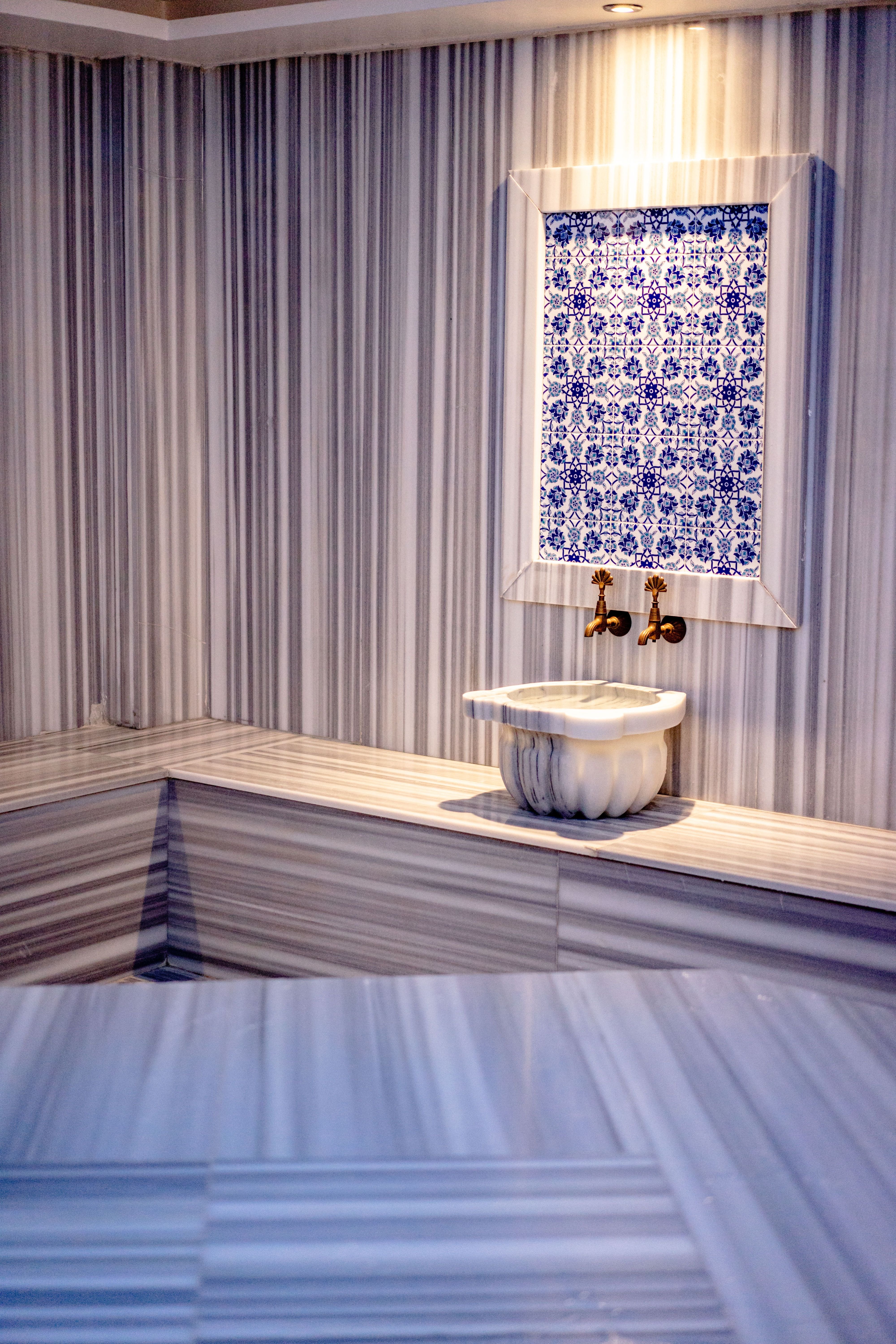
You'll generally choose between two kinds. Historic hammams — some centuries-old Ottoman buildings, especially in Istanbul — offer breathtaking marble architecture and a real sense of tradition, though the famous ones are touristy and pricier. Modern spa hammams in hotels and resorts are more polished and private but lack the old-world atmosphere. For a first hammam, many travelers splurge on a beautiful historic one for the setting; for pure relaxation, a hotel spa version works fine.
What it costs and where
Prices range widely — from inexpensive neighborhood baths used by locals to premium packages at landmark Ottoman hammams — and move with the season and exchange rate, so check current rates. The grand historic hammams cluster in Istanbul, but you'll find them across the country, including in tourist towns along the coast. Thanks to the weak lira, even an upscale hammam experience is good value for Americans. Whichever you choose, it's a quintessentially Turkish ritual and a wonderful way to recover after long days of sightseeing.
FAQ
What do you wear in a Turkish bath?
You keep underwear or swimwear on and wrap in a thin cotton cloth (peştemal) the hammam provides. Bathing is usually gender-separated with same-gender attendants.
What happens during a hammam?
You relax on a heated marble platform to sweat, then receive a vigorous exfoliating scrub and a soap-foam massage, with warm-water rinses throughout, finishing with tea.
Is a Turkish bath worth it?
Yes — it's a centuries-old ritual and a deeply relaxing, authentic experience. Most first-timers find it far less intimidating than expected.
How much does a hammam cost?
It ranges from cheap local baths to premium packages at historic Ottoman hammams. Prices move with the season and exchange rate, so check current rates; tipping the attendant is customary.
Keep planning
Not sure how it all fits together?
Pick your trip length and we'll point you to the right day-by-day itinerary.