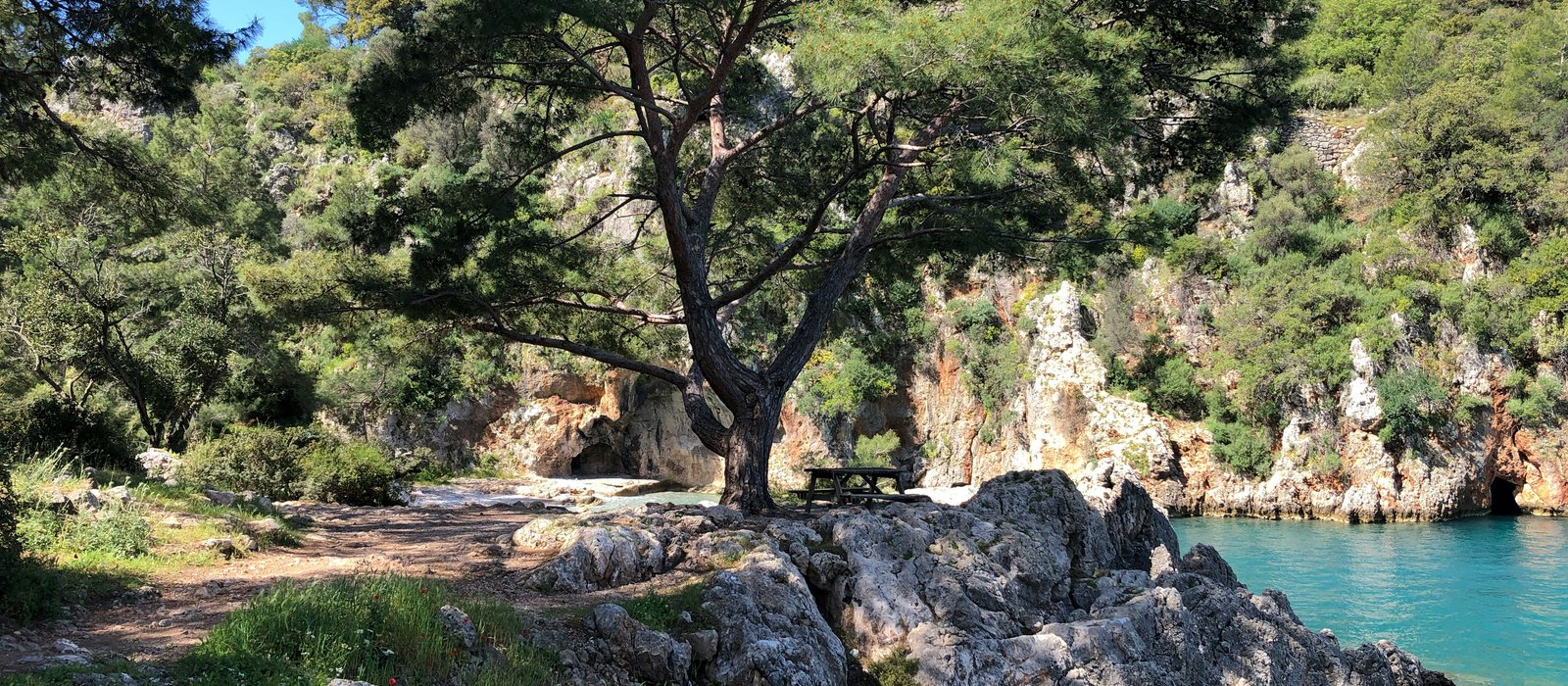
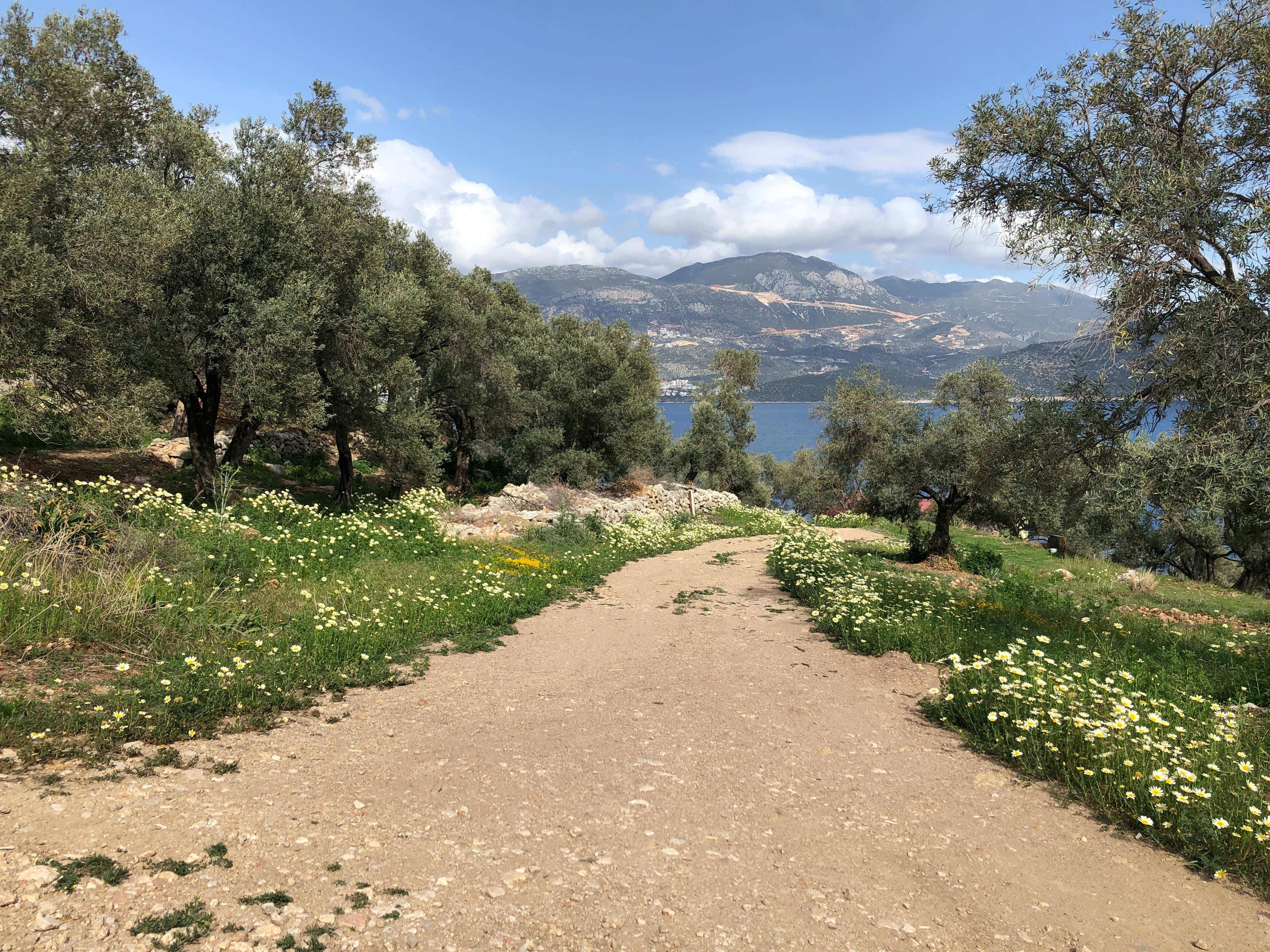
The Lycian Way is Turkey's most famous long-distance hiking trail — a waymarked route of roughly 500 kilometers tracing the mountainous Mediterranean coast past ancient ruins, pine forests, turquoise bays, and hillside villages. You don't need to walk the whole thing (few do): the magic of the Lycian Way is that you can sample a single spectacular day section. Here's how to approach it.
What the Lycian Way is
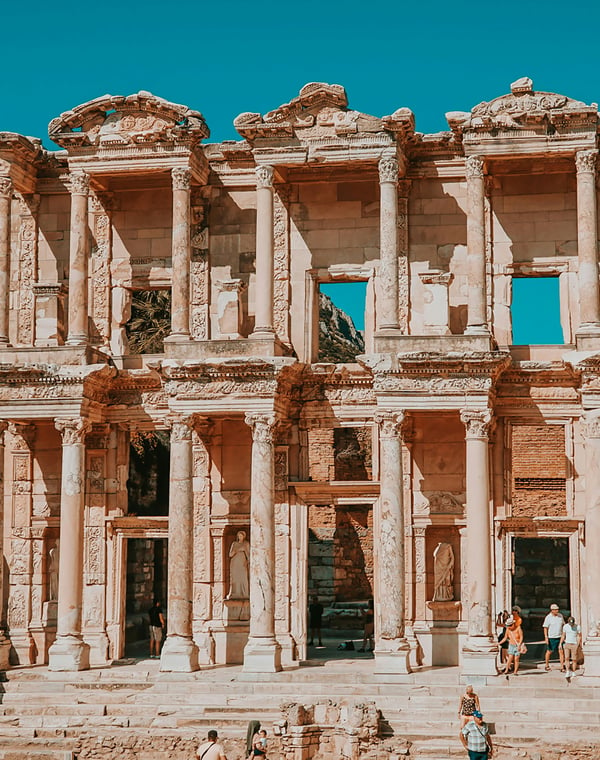
The trail runs along the Teke Peninsula in southwestern Turkey, roughly between the Fethiye/Ölüdeniz area and Antalya, following old footpaths and mule tracks. It's marked with red-and-white painted blazes and named for ancient Lycia, the civilization whose rock tombs and ruined cities you pass along the way. Walking the full route takes around a month, but the trail is designed to be done in sections, and most travelers walk just a day or a few days of the most scenic stretches.
The best sections for short hikes
The Butterfly Valley rim above Ölüdeniz — a dramatic clifftop walk above the famous lagoon and valley, a popular and rewarding day hike.
The southern bays toward Patara — quieter coves and forest descending to remote beaches near the great Patara sands.
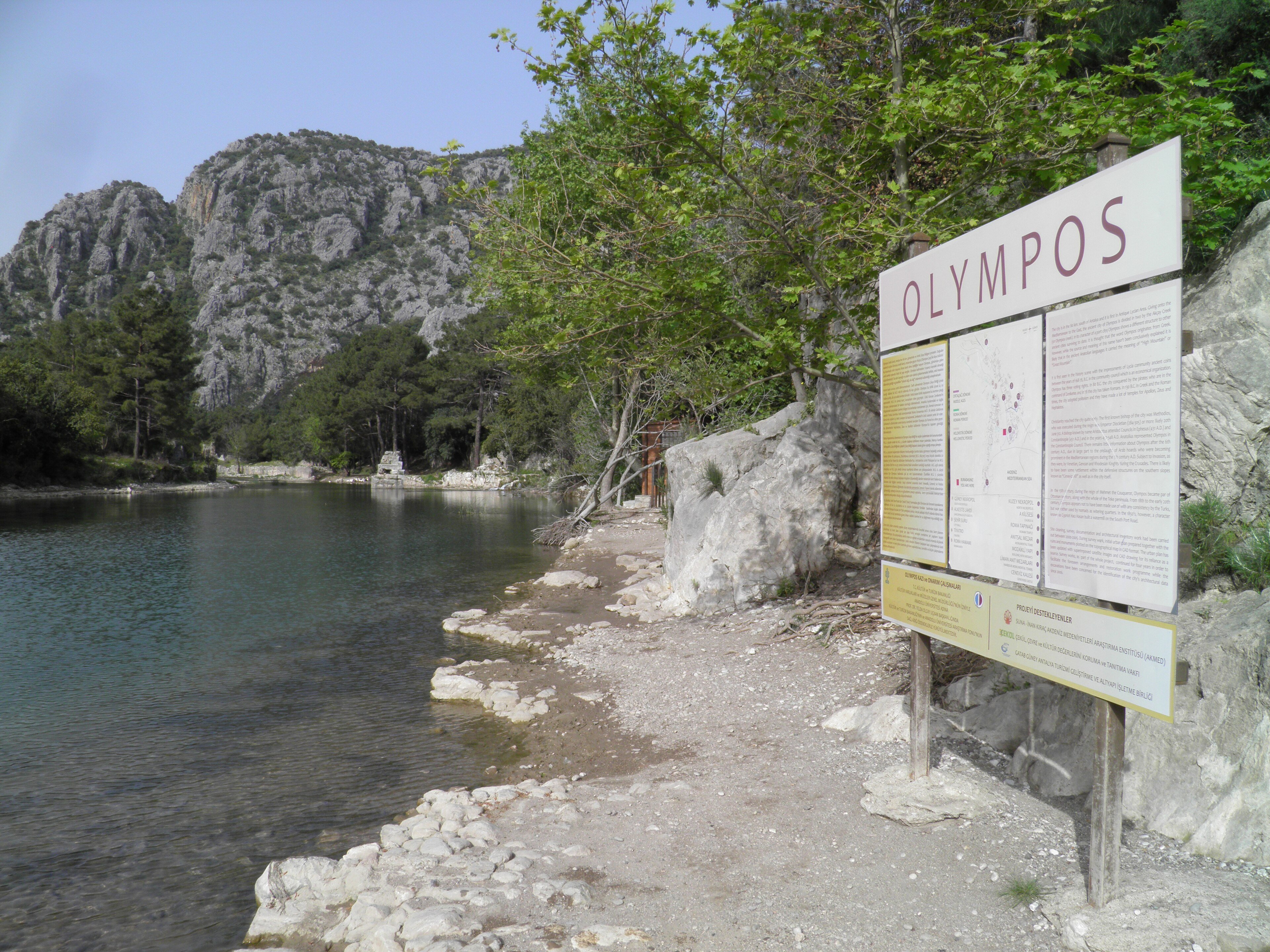
The ruins-and-coast stretches near Olympos and Çıralı — combining trail walking with ancient sites and the natural flames of the Chimaera.
Patara and the western end — gentler walking near the great beach and Lycian ruins.
Difficulty and what to expect
The Lycian Way is rated moderate to challenging. It's not technical, but it's often rocky underfoot, with significant ups and downs as it climbs headlands and drops to bays — sturdy hiking shoes are essential. Sections can be exposed with little shade, so sun protection and plenty of water are vital. Signage is generally good but not perfect, so a trail map or GPS app is worth having. For day hikes you can base in a coastal town and walk out-and-back or use local transport and boats to return; for multi-day stretches, village guesthouses and pensions along the route provide beds and meals, so you don't always need to camp.
When to go
Timing matters more here than for the beaches. Spring (April–May) and fall (September–October) are by far the best — wildflowers, comfortable temperatures, and manageable sun. Summer is too hot for serious walking on the exposed coastal sections, when midday heat becomes genuinely dangerous; if you hike in summer, go at dawn and rest through midday. Winter is mild and walkable in places but wetter. For most travelers, a shoulder-season day or two on the trail is the sweet spot.
What to pack and know before you go
A little preparation makes the trail far more enjoyable. Wear broken-in hiking shoes with good grip — the limestone underfoot gets slippery and the descents are steep. Carry more water than you think you'll need; springs are unreliable and the sun is relentless on exposed sections. A hat, high-SPF sunscreen, and a light layer for breezy headlands are essentials, and a downloaded GPS or trail app covers the occasional gap in the red-and-white blazes. Start early to beat the midday heat, tell someone your plan if you're walking alone, and don't underestimate short distances — the constant climbing means a few miles can take all morning. With the right kit, the Lycian Way is forgiving; without it, the heat and terrain can catch hikers out.
How to fit it into a trip
The easiest approach for most visitors is to base in a Turquoise Coast town — Ölüdeniz, Fethiye, Kaş, or Çıralı — and do a day hike or two on the nearby trail sections, mixing walking with beach time and ruins. It pairs perfectly with a coastal stay or a Blue Cruise. Serious hikers can plan a multi-day point-to-point stretch; casual walkers can simply step onto the trail for a few hours of some of the most beautiful coastal scenery in the Mediterranean.
Guided or independent?
You can absolutely walk day sections of the Lycian Way independently — the popular stretches are well-marked and dotted with villages — but a guide adds real value for longer or remoter walks. A local guide handles navigation on the trickier sections, arranges transport and village guesthouses, and unlocks the history of the Lycian ruins you pass, which otherwise stand unexplained. Small-group guided treks are widely available from the coastal towns and are a good option for travelers who want the scenery without the logistics. For a casual day hike from a beach base, though, you need nothing more than good shoes, water, and the trail blazes — step on, walk a couple of hours, and turn back whenever you like.
FAQ
Do I have to hike the whole Lycian Way?
No — most travelers walk just a day or a few days of the best sections. The full ~500km route takes around a month and few attempt it all.
How hard is the Lycian Way?
Moderate to challenging — not technical, but rocky with steep ups and downs and exposed, shadeless stretches. Sturdy shoes, water, and sun protection are essential.
When is the best time to hike it?
Spring (April–May) and fall (September–October). Summer is too hot for the exposed coastal sections; hike at dawn if you must.
Where should I base for day hikes?
Coastal towns like Ölüdeniz, Fethiye, Kaş, or Çıralı let you do day sections and mix hiking with beaches and ruins.