Istanbul is the city most Americans picture when they think of Turkey — even though it isn't the capital (that's Ankara). Straddling Europe and Asia across the Bosphorus, it pairs 1,500-year-old Byzantine churches and grand Ottoman mosques with a fast, modern, food-obsessed street life. It can feel overwhelming on day one. This guide lays out exactly what a first-timer needs to land confident and make the most of a few days.
When to go
The sweet spots are spring (April–May) and fall (September–October): warm, dry, and far less crowded than peak summer. July and August are hot and busy — fine if you're coast-bound afterward, less pleasant for long days on your feet among the monuments. Winters are gray, chilly, and rainy, but flights and hotels are cheapest and the major sights stay open.
Getting there from the US
Turkish Airlines and United fly nonstop to Istanbul Airport (IST) from hubs including JFK, EWR, IAD, ORD, and LAX, with flight times roughly 10–11 hours from the East Coast and 13–14 from the West. IST opened in 2019 and replaced the old Atatürk Airport — if a guidebook still says "Atatürk," it's out of date. A second airport, Sabiha Gökçen (SAW), sits on the Asian side and handles cheaper and budget flights, but it's farther from the historic core.
From IST, the Havaist airport buses, the M11 metro, or a taxi get you downtown in roughly 45–90 minutes depending on traffic.
Do Americans need a visa?
Good news: as of recent years, US tourists can enter Turkey visa-free for stays up to 90 days within any 180-day period — a change from the old e-visa days, so travelers who came pre-2020 are sometimes surprised. Your passport should be valid for at least six months beyond your date of entry, with one blank page. Because entry rules are exactly the kind of thing that changes, confirm the current requirement on the official portal at evisa.gov.tr before you fly. Ignore any third-party "Turkey visa" site charging a service fee.
Where to stay
Your neighborhood shapes the trip. The classic first-timer choice is Sultanahmet, the historic peninsula, where you can walk to Hagia Sophia, the Blue Mosque, Topkapı Palace, and the Basilica Cistern. It's convenient and quiet at night, but unmistakably touristy. For more local, modern energy — dining, nightlife, design hotels — base in Beyoğlu / Galata / Karaköy around İstiklal Street. Beşiktaş and Nişantaşı are upscale and residential, a good Bosphorus base, while Kadıköy on the Asian side is hip, foodie, and refreshingly free of tour groups. Our full breakdown is in the where to stay in Istanbul guide.
The must-see sights
Four landmarks cluster within walking distance in Sultanahmet:
Hagia Sophia — a 1,500-year-old Byzantine masterpiece, now a working mosque (free to enter; dress code applies, and an upper-gallery visitor ticket has been introduced — check on arrival).
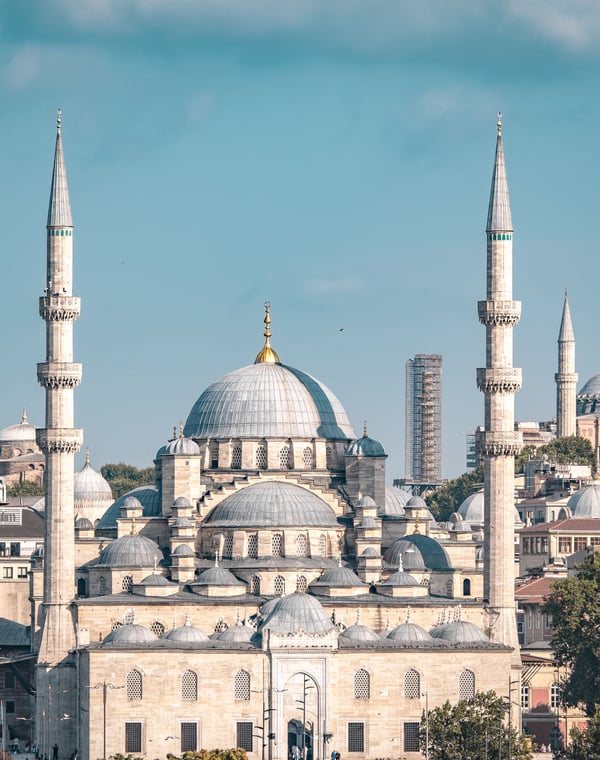
Blue Mosque (Sultanahmet Camii) — the famous six-minaret mosque facing Hagia Sophia; free, and an active place of worship.
Topkapı Palace — the Ottoman sultans' palace, with the Harem and treasury.
Basilica Cistern — an atmospheric underground Byzantine water cistern.
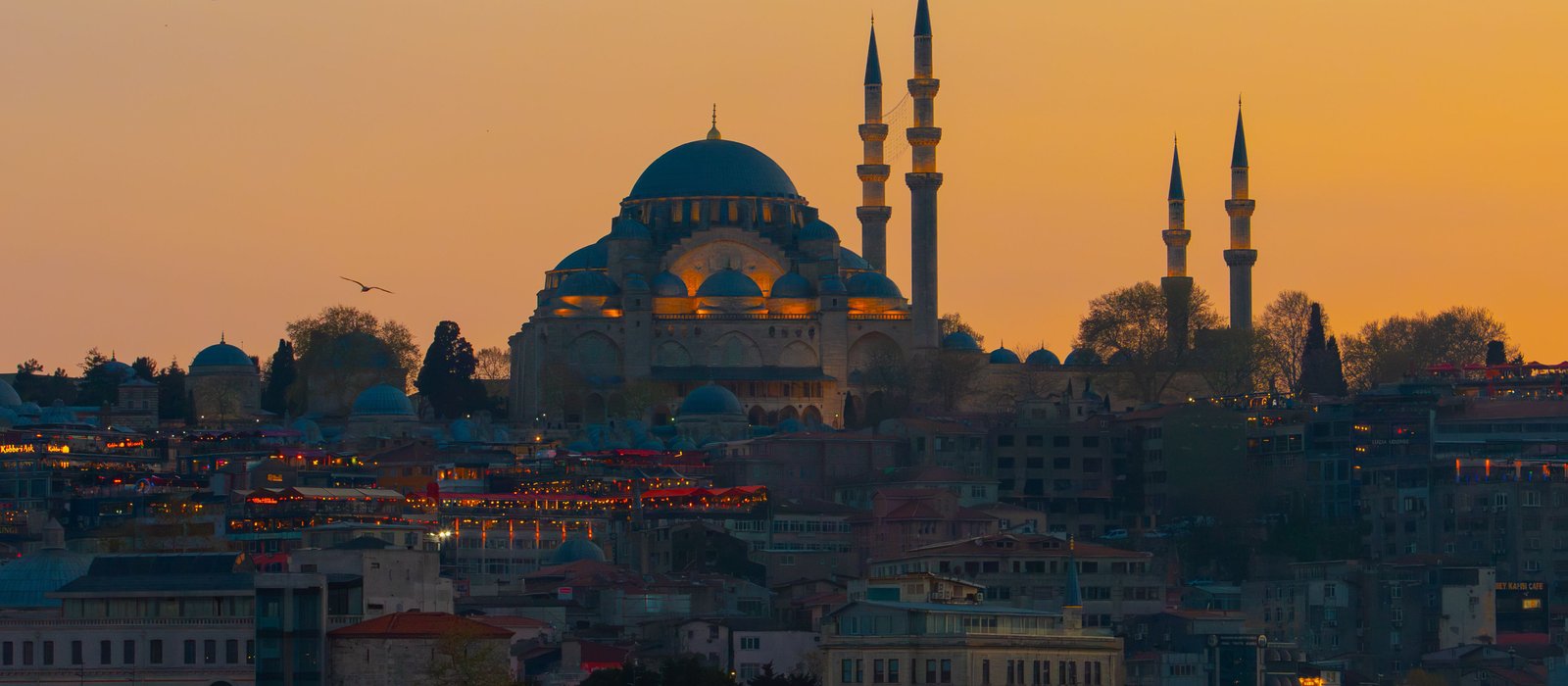
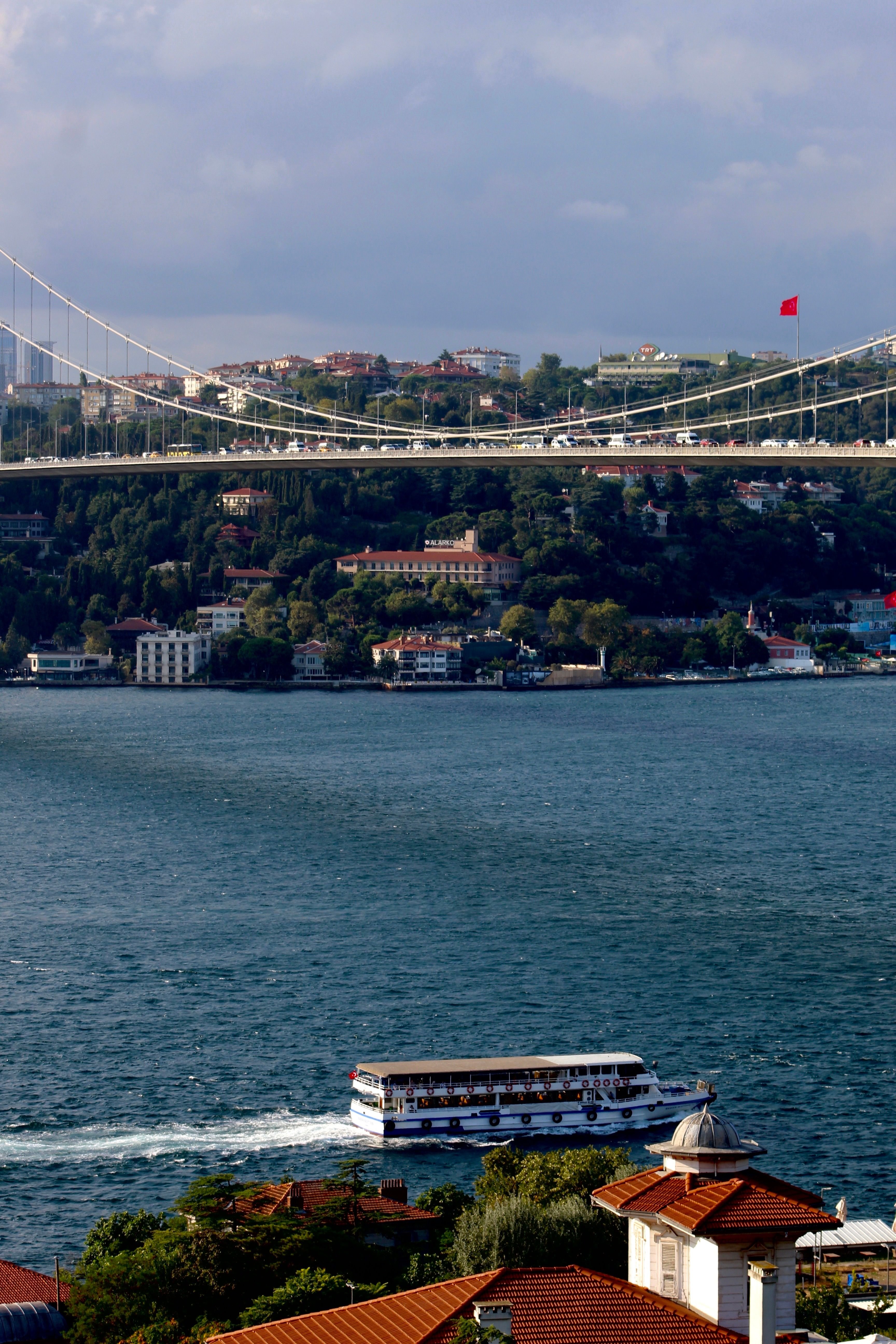
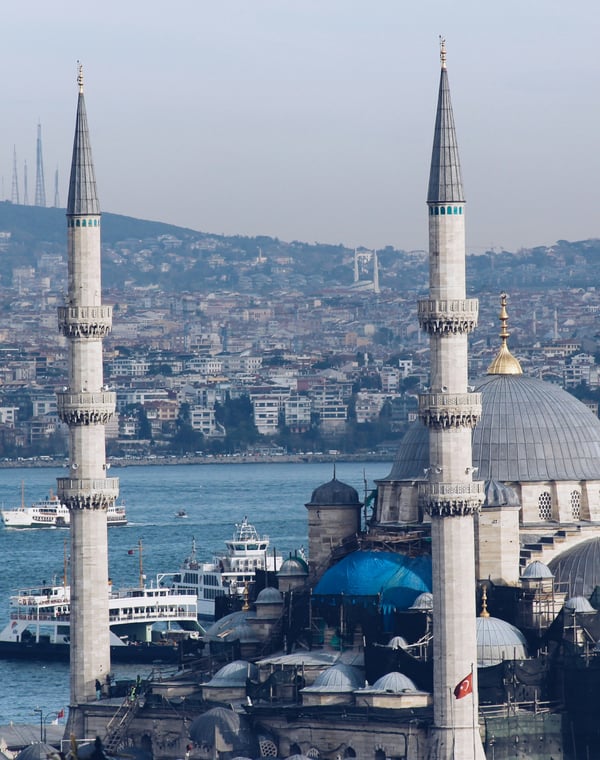
Add the Grand Bazaar and the nearby Spice Bazaar for the sensory overload of covered markets, the Süleymaniye Mosque for Sinan's masterwork with fewer crowds and big views, and — above all — a Bosphorus cruise, the best way to grasp a city split between two continents.
Getting around
Buy an Istanbulkart, the rechargeable transit card, the moment you arrive. It works on the metro, trams, ferries, funiculars, and buses. The T1 tram runs right through Sultanahmet; ferries across the Bosphorus are scenic and cheap and double as sightseeing. The historic core is very walkable. For taxis, use the BiTaksi or iTaksi apps and insist on the meter ("taksimetre"); Uber in Istanbul simply dispatches licensed yellow taxis.
Money and tipping
The currency is the Turkish lira (₺). The lira has weakened a lot against the dollar, which makes Turkey inexpensive for Americans — but local prices keep rising with inflation, so check the current rate rather than memorizing one. Cards are widely accepted in hotels, restaurants, and shops; carry some cash for markets, taxis, small towns, and tips. At ATMs, decline the machine's offer to charge you in dollars (choose lira) to avoid a poor conversion rate. Tipping is modest by US standards: around 5–10% in restaurants if service isn't included, rounding up taxis, and small tips for hotel and hammam staff.
Etiquette and staying safe
Istanbul is a big city and broadly safe for tourists; the main risks are petty pickpocketing in crowded spots and a handful of well-known scams — the over-friendly "let me show you" carpet commission, the shoe-shine drop, the "broken" taxi meter, and bar setups that hit solo male travelers with an enormous bill. For mosques, women cover hair, shoulders, and knees and men wear long pants; everyone removes their shoes, so carry a scarf. Accepting a glass of tea (çay) is a friendly gesture, not an obligation to buy. Turkey is secular and Western-dressed in the city, so normal clothes are fine everywhere else.
How many days do you need?
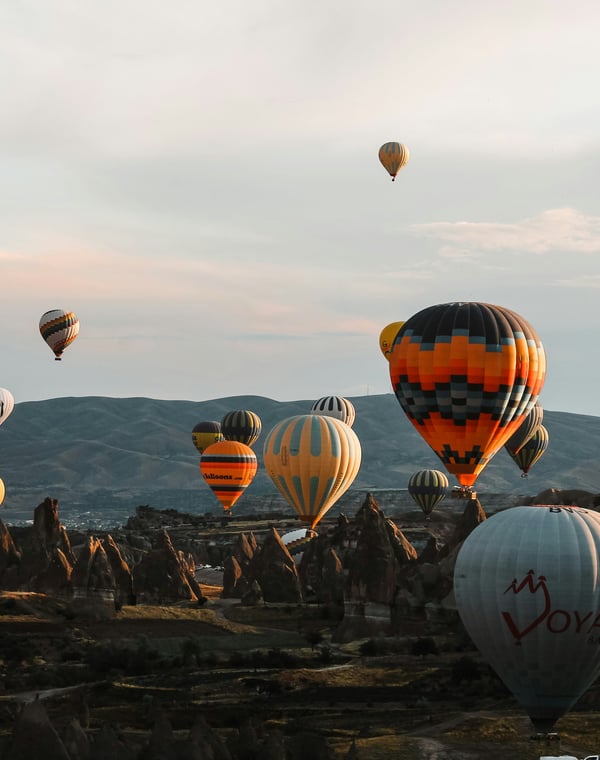
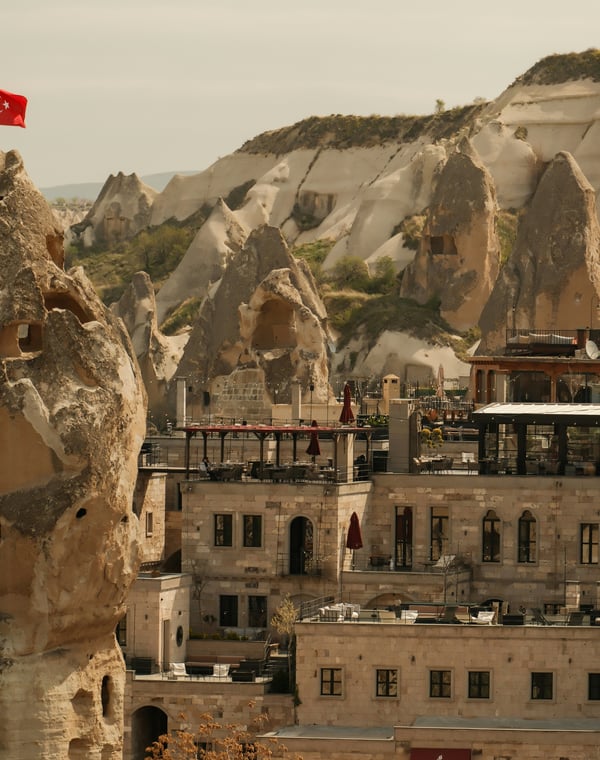
Three full days covers the headline sights without rushing — see our 3 days in Istanbul itinerary. With more time, add a day trip to the car-free Princes' Islands or pair Istanbul with Cappadocia for the quintessential first Turkey trip.
FAQ
Is Istanbul the capital of Turkey?
No. Istanbul is the largest city, but the capital is Ankara. It's a common mix-up.
Do Americans need a visa to visit Istanbul?
US tourists can currently enter visa-free for up to 90 days within any 180-day period. Confirm the latest rule at evisa.gov.tr before traveling, and make sure your passport is valid at least six months beyond your date of entry, with one blank page.
How many days should I spend in Istanbul?
Three full days is enough to see the major sights at a reasonable pace. Add more if you want day trips or a slower rhythm.
Is Istanbul safe for tourists?
Generally yes. The main concerns are pickpocketing in crowds and a few common scams. Keep an eye on your belongings, use metered taxis, and avoid demonstrations.
What's the best area to stay for first-timers?
Sultanahmet, the historic peninsula, lets you walk to the major sights. For more dining and nightlife, choose Beyoğlu or Karaköy.
Keep planning
Not sure how it all fits together?
Pick your trip length and we'll point you to the right day-by-day itinerary.