Turkey's Aegean coast is where ancient history meets the sea. This is the land of Ephesus and a string of Greco-Roman cities, but also of beach resorts, hillside wine villages, and the surreal white terraces of Pamukkale inland. For American travelers it's an easy, rewarding region to combine with Istanbul and Cappadocia, or to explore on its own. Here's how to get oriented.
Getting there and around
The gateway is Izmir, whose airport (ADB) connects to Istanbul in about an hour and to other Turkish cities. From Izmir it's roughly an hour south to Selcuk and Ephesus. The coast is best explored with a rental car — distances between sites and beaches are short and the freedom pays off — though buses and shared minibuses (dolmus) connect the main towns if you'd rather not drive. See our car rental guide for what Americans should know.
The ancient sites
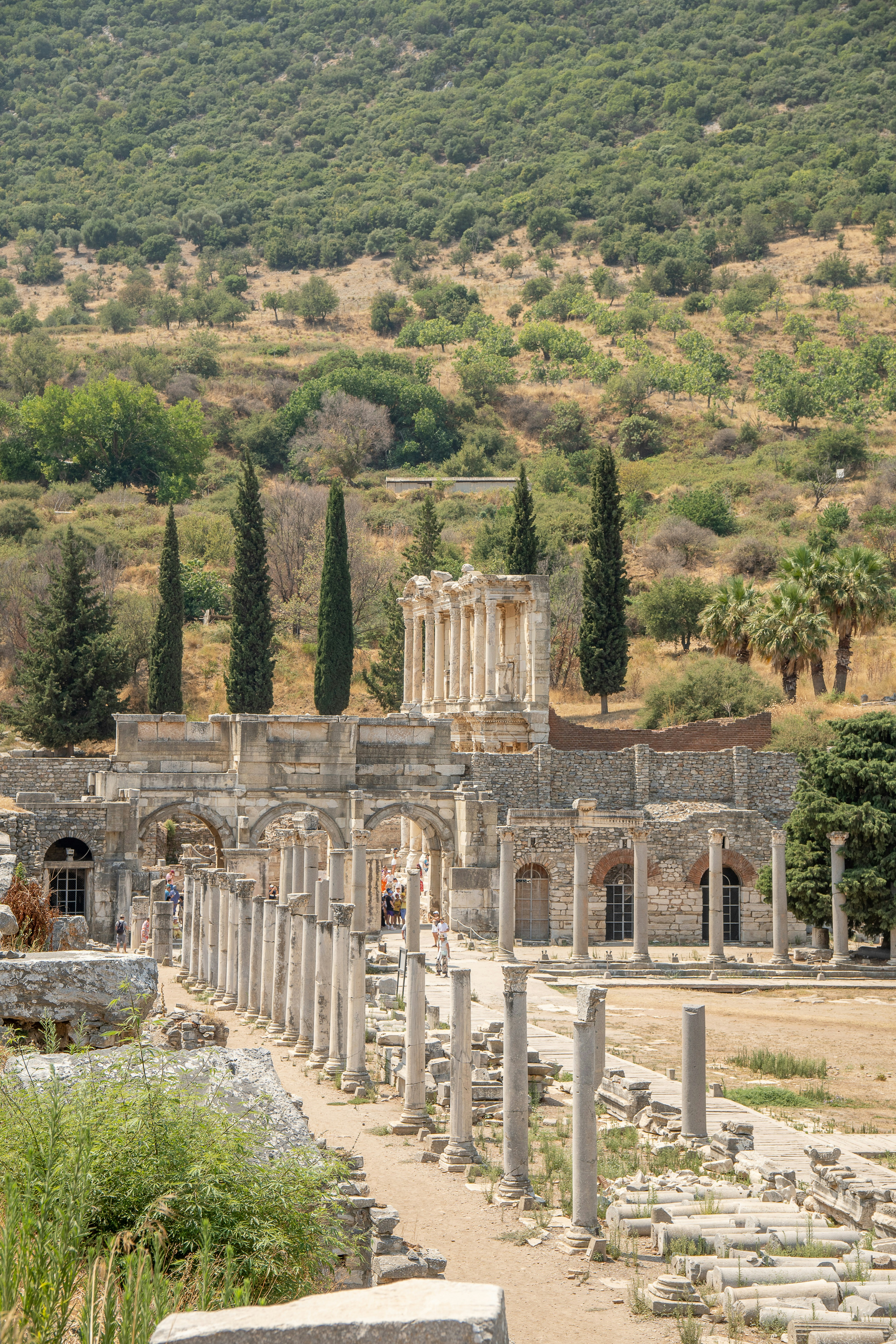
The headline is Ephesus, one of the best-preserved ancient cities in the Mediterranean, with its iconic Library of Celsus and Great Theatre — our complete Ephesus guide covers visiting it. Around it cluster more sites: the House of the Virgin Mary, a pilgrimage spot in the hills; the Basilica of St. John and the lone column of the once-mighty Temple of Artemis in Selcuk; and the Terrace Houses at Ephesus, an extra-ticket highlight of Roman mosaics and frescoes well worth the add-on.
The coast and the towns
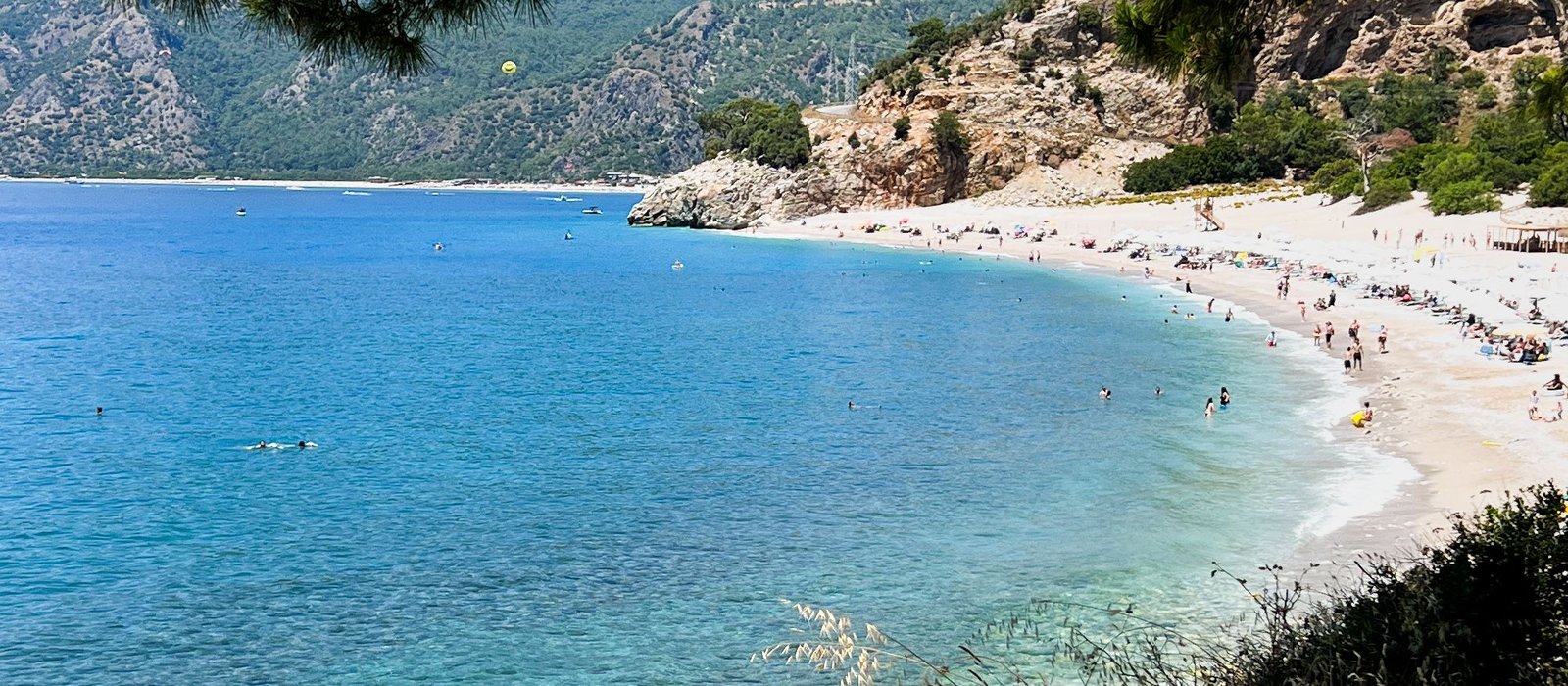
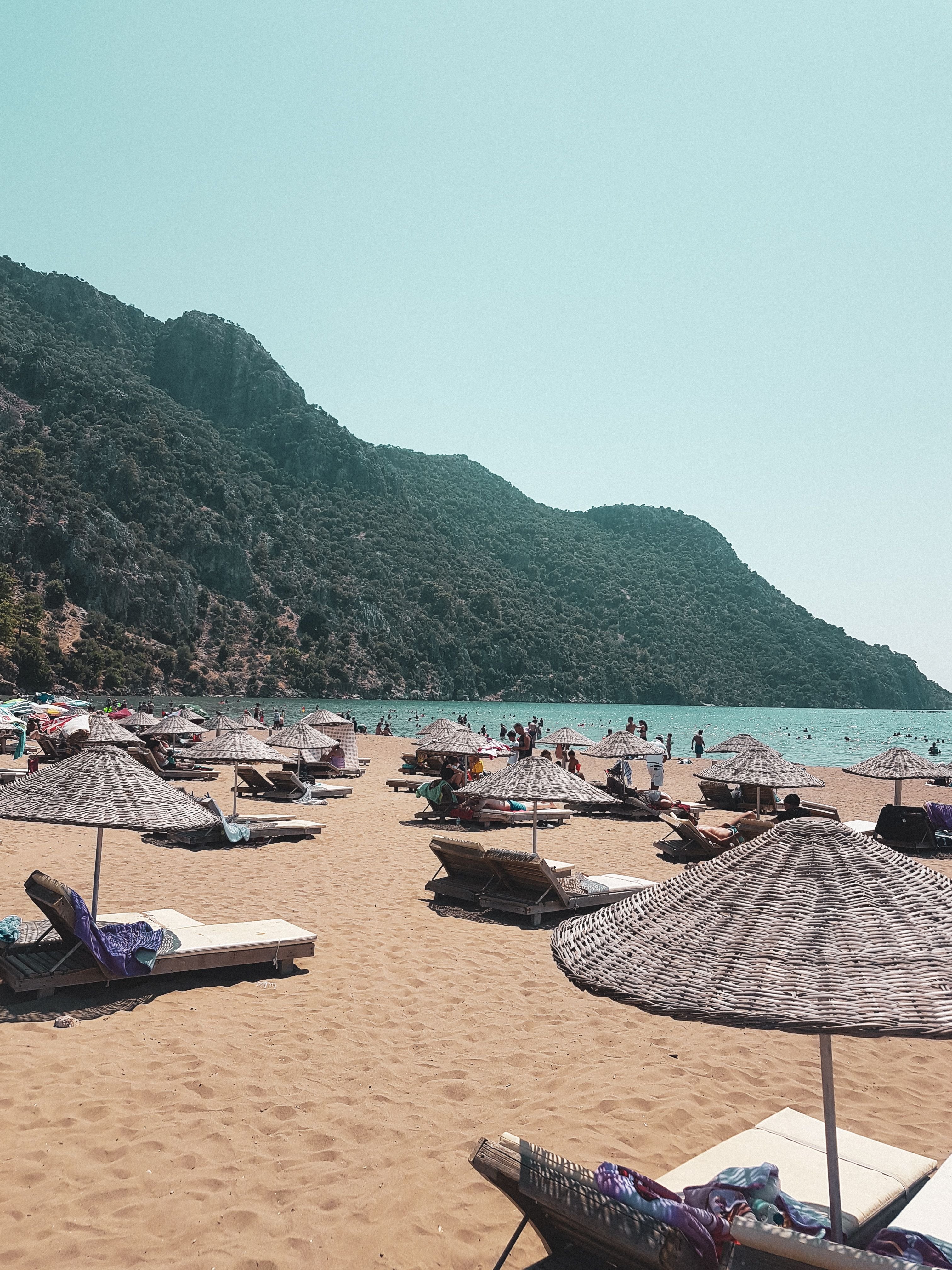
Beyond the ruins, the Aegean delivers beaches and atmosphere. Kusadasi is the lively resort hub and cruise port; Bodrum, on its own peninsula to the south, is the region's glamorous beach-and-nightlife destination; and the old wine village of Sirince above Selcuk offers hillside charm and tastings. Izmir itself is an underrated, vibrant coastal city with a long seafront promenade. Where to base depends on your priorities — our where to stay guide breaks it down.
Don't miss Pamukkale
Inland from the coast, the white travertine terraces of Pamukkale and the ruins of Hierapolis above them are a popular day trip or overnight from the Aegean — surreal calcium pools cascading down a hillside, paired with an ancient spa city. It's a long day trip, so many travelers overnight nearby; see our Pamukkale guide.
How long to spend
Two to three days covers the Ephesus area and a taste of the coast; a week lets you add Bodrum, Pamukkale, and slow time on the beaches. Spring and fall are ideal — warm and uncrowded — while summer is hot, busy, and best for beach time. The Aegean slots naturally into a longer Turkey itinerary after Istanbul and Cappadocia; see our 10-day itinerary.
Practical tips for the region
A few things smooth an Aegean trip. Distances between the headline sights are short, so you can see a lot in a few days without long transfers. Summer heat is real — tackle ruins early or late and save midday for the beach or a shaded lunch. Cards are widely accepted in towns and resorts, but carry cash for village markets, small eateries, and site parking. An eSIM keeps you navigating between sites easily. And if Ephesus is your priority, sleep nearby in Selcuk so you can beat the cruise-ship crowds that arrive from Kusadasi mid-morning.
What makes the Aegean special
What sets this coast apart from Turkey's Mediterranean shore is the density of ancient history right beside the sea. Beyond Ephesus, the region holds the ruins of Pergamon with its dramatic hillside theater, the marble city of Aphrodisias, Priene, Miletus, and Didyma — a roster of classical sites that rewards anyone with an interest in the ancient world. You can swim in the morning and walk a 2,000-year-old marble street in the afternoon. That blend of beach ease and deep history, all at prices that are a bargain for Americans right now, is the Aegean's signature.
Food and local flavor
Aegean cuisine is lighter and more vegetable-forward than central Turkey's — think olive oil–based dishes (zeytinyagli), fresh fish, wild greens, and abundant mezes, often paired with the anise spirit raki. Izmir and the coastal towns have excellent seafood meyhanes, and the Sirince hills are known for fruit wines. Markets brim with figs, olives, and citrus. Eating your way along the coast is as much a part of the trip as the ruins.
FAQ
What is the Aegean coast known for?
Ancient Greco-Roman ruins — above all Ephesus — plus beach resorts like Kusadasi and Bodrum, hillside wine villages, and the nearby travertines of Pamukkale.
How do I get to the Aegean coast?
Fly into Izmir (ADB) from Istanbul in about an hour, then drive or take a bus roughly an hour south to Selcuk and Ephesus.
Do I need a car on the Aegean coast?
It's the most convenient way to explore, given the short distances between sites and beaches, but buses and minibuses connect the main towns if you prefer not to drive.
How many days do I need on the Aegean coast?
Two to three days for Ephesus and a taste of the coast; a week to add Bodrum, Pamukkale, and beach time.
Keep planning
Not sure how it all fits together?
Pick your trip length and we'll point you to the right day-by-day itinerary.