Beyond the well-trodden circuit of Istanbul, Cappadocia, and the coast lies a different country: Eastern Turkey, a vast region of ancient sites, dramatic mountains, and deep-rooted cultures that very few foreign tourists reach. It rewards adventurous travelers with some of the country's most extraordinary experiences — from giant stone heads on a mountaintop to the world's oldest known temple. Here's an honest first look at what it offers and how to approach it.
Why go east
Eastern Turkey is for travelers who want to go deeper. Here you'll find Mount Nemrut, with its colossal ancient stone heads watching the sunrise; Göbeklitepe near Şanlıurfa, the 11,000-year-old temple complex rewriting the story of civilization; and historic cities steeped in layers of Anatolian, Armenian, and Mesopotamian history. The food is exceptional — Gaziantep is one of the great culinary cities of the world — and the hospitality toward the rare foreign visitor is famously warm.
The top sights
Mount Nemrut — giant 1st-century-BC stone heads on a remote summit, best at sunrise or sunset. See our Mount Nemrut guide.
Göbeklitepe & Şanlıurfa — the world's oldest known temple plus an atmospheric, deeply traditional city. See our Göbeklitepe guide.
Gaziantep — a UNESCO City of Gastronomy famous for baklava, pistachios, and a superb mosaic museum.
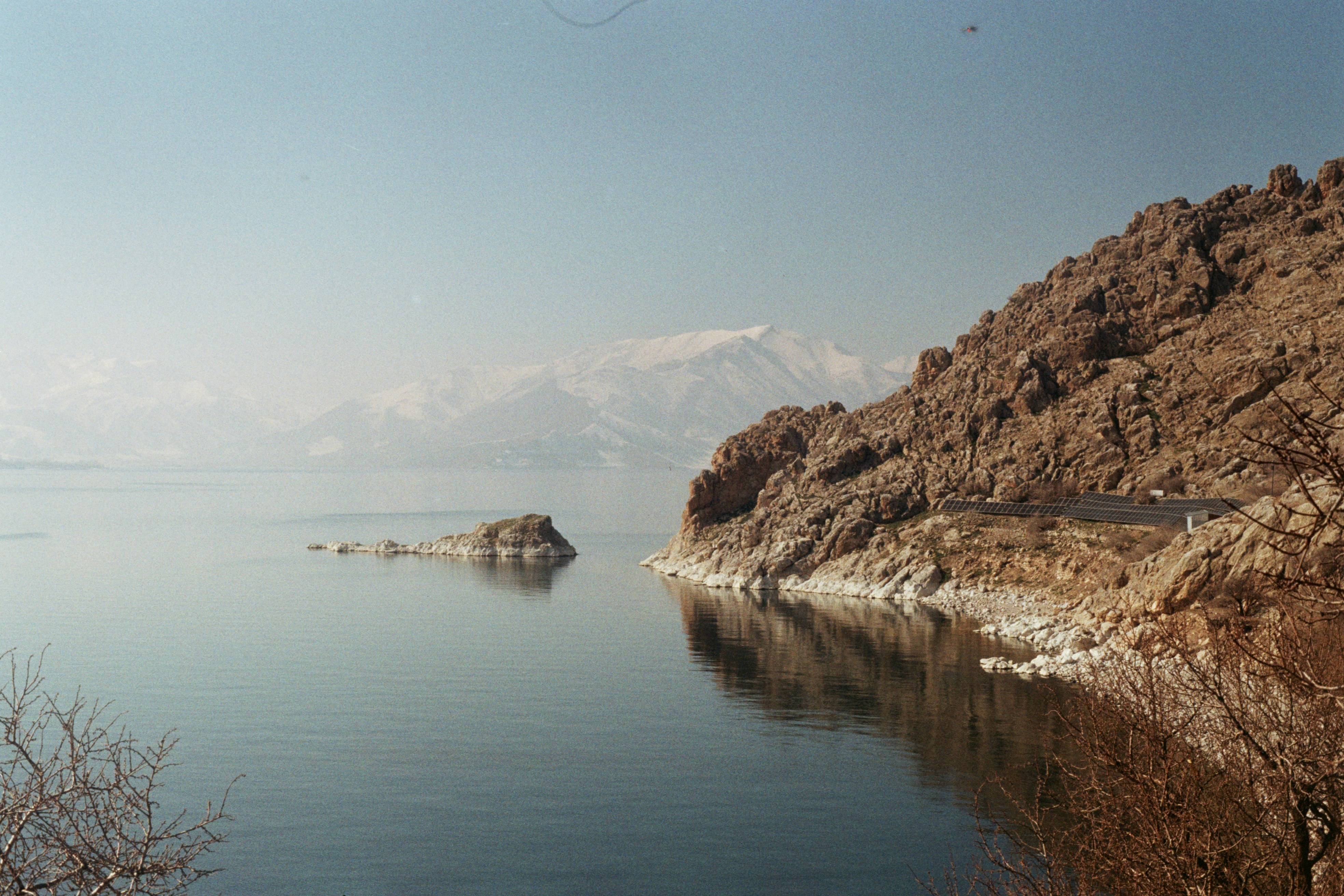
Lake Van & Akdamar Island — a vast highland lake with a jewel of a medieval Armenian church.
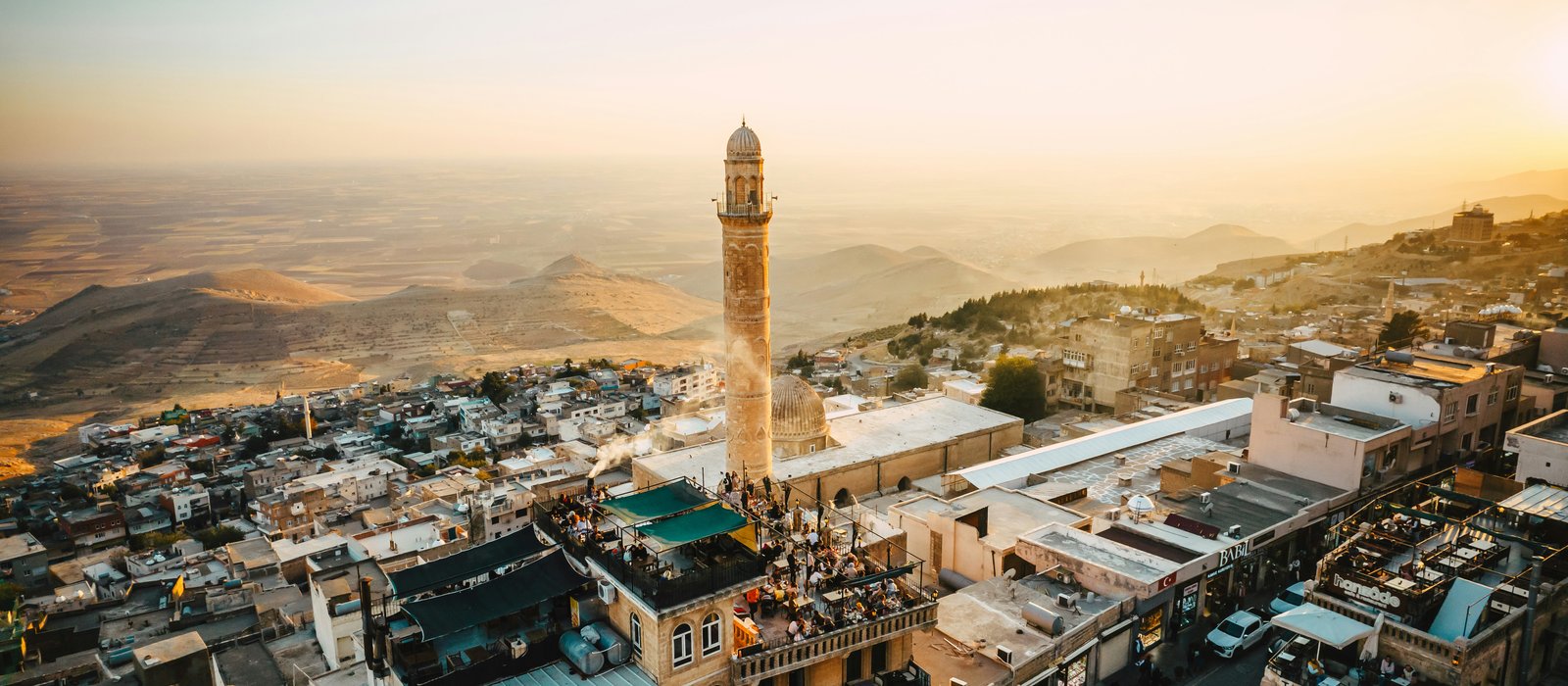
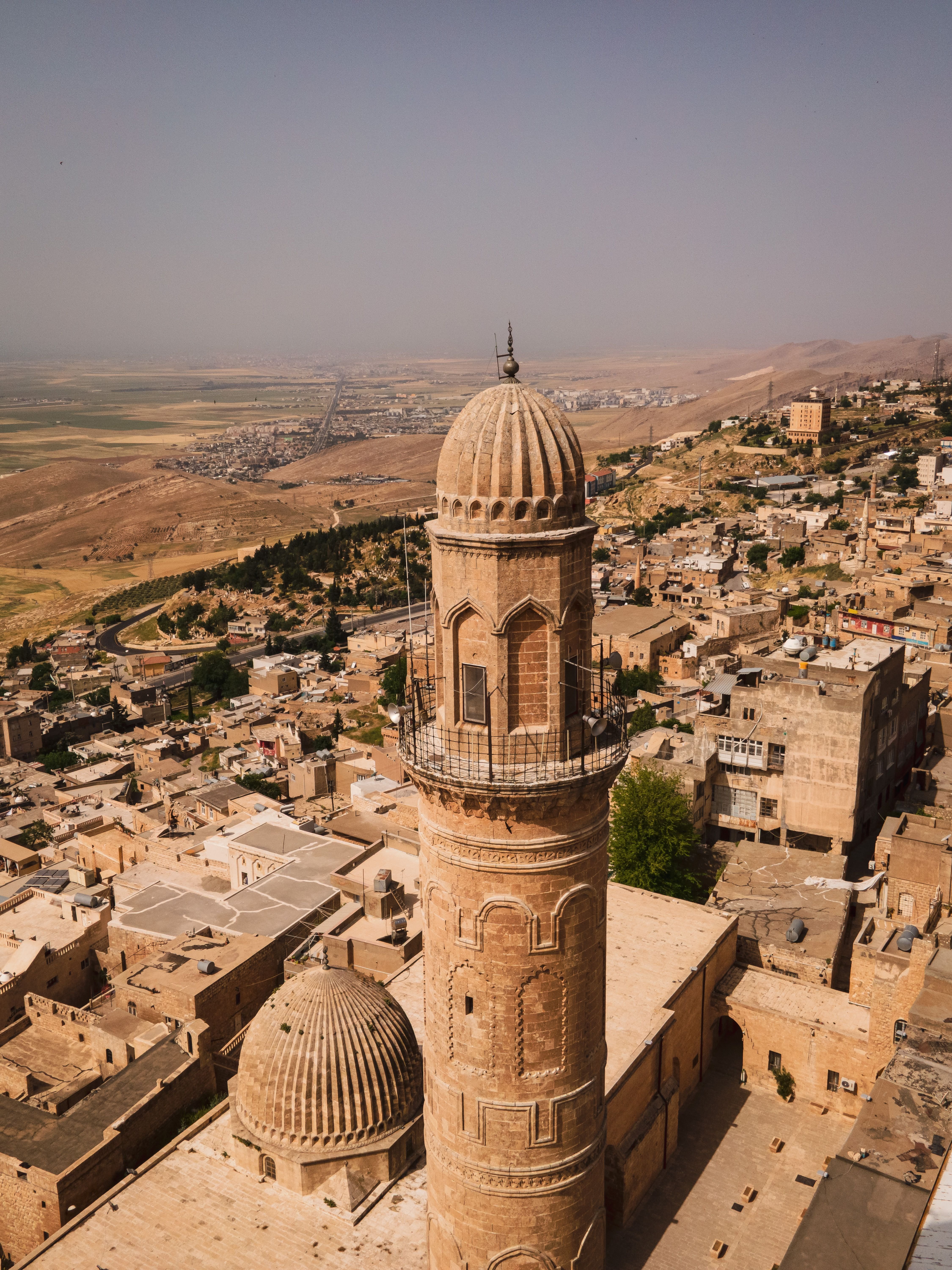
Mardin — a honey-colored stone city tumbling down a hillside over the Mesopotamian plain.
What makes the east different
Travelers who make it east often describe it as visiting a different country. The pace is slower, the landscapes are bigger and emptier, and the cultural mix — Kurdish, Arab, Armenian, and Turkish threads woven through millennia of history — feels distinct from the Aegean resorts or cosmopolitan Istanbul. Because so few foreign tourists come, the welcome is often extraordinarily warm: invitations to tea, curiosity about where you're from, a sense of being a guest rather than a customer. It's also more demanding travel — longer drives, fewer English speakers, more conservative norms — which is precisely why it filters out the crowds and rewards those who make the effort.
How to get around
Distances out east are large, so plan around domestic flights into regional hubs — Gaziantep, Şanlıurfa, Malatya (for Nemrut), Van, and Diyarbakır all have airports with connections from Istanbul. From there, a rental car or local tours cover the spread-out sites; intercity buses connect the cities but eat up time. Many travelers tackle the east as a focused regional loop of a week or more rather than tacking one site onto a western trip.
Safety and practicalities
This is the part to handle carefully. Most of the eastern destinations travelers visit — Nemrut, Şanlıurfa, Gaziantep, Mardin, Van — are generally visited without issue, but the far southeastern border areas near Syria carry official travel warnings. Check your government's current travel advisory before planning, as the picture can change; US travelers should review the latest State Department guidance for Turkey, which assigns higher warning levels to specific provinces along the Syrian border. The east is also more conservative than the west, so dress modestly, and note that some areas see harsh winters. Going with a reputable local guide or tour smooths the logistics considerably.
When to go
Spring (April–May) and fall (September–October) are the best windows — comfortable temperatures for the sites and mountains. Summers are very hot on the southeastern plains around Şanlıurfa and Gaziantep, while winters in the eastern highlands and around Van are long and severely cold. Aim for the shoulder seasons. Thanks to the weak lira, travel here is very inexpensive for Americans; check current rates when booking.
How much time to give it
Eastern Turkey isn't a day-trip add-on — the distances and the dawn-timed sights (Nemrut especially) mean it deserves a dedicated trip. A focused week can string together Gaziantep, Şanlıurfa with Göbeklitepe, and Mount Nemrut; ten days or more lets you add Mardin, Diyarbakır, and Lake Van for a fuller picture. Build in buffer time for long drives and the occasional logistical hiccup, and consider a reputable local guide or a small-group tour to handle the route, the language, and the cultural nuances. Done right, it's the kind of trip that travelers rank among their most memorable anywhere.
FAQ
Is Eastern Turkey safe to visit?
Most destinations travelers visit — Nemrut, Şanlıurfa, Gaziantep, Mardin, Van — are generally visited without issue, but the far southeast near the Syrian border carries official warnings. Check your government's current travel advisory before planning.
What are the must-see sights in Eastern Turkey?
Mount Nemrut's stone heads, Göbeklitepe and Şanlıurfa, the food city of Gaziantep, Mardin's stone old town, and Lake Van with Akdamar Island.
How do I get around Eastern Turkey?
Fly into regional hubs (Gaziantep, Şanlıurfa, Malatya, Van, Diyarbakır), then use a rental car or local tours. Distances are large.