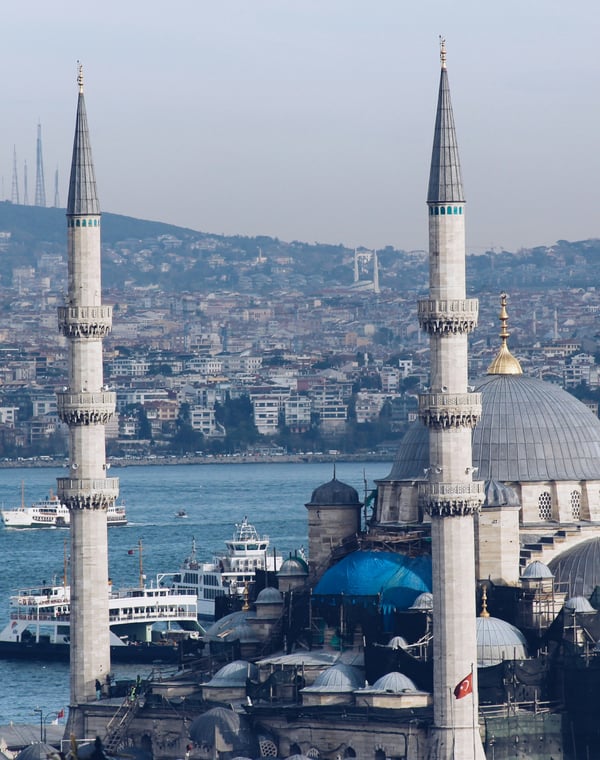
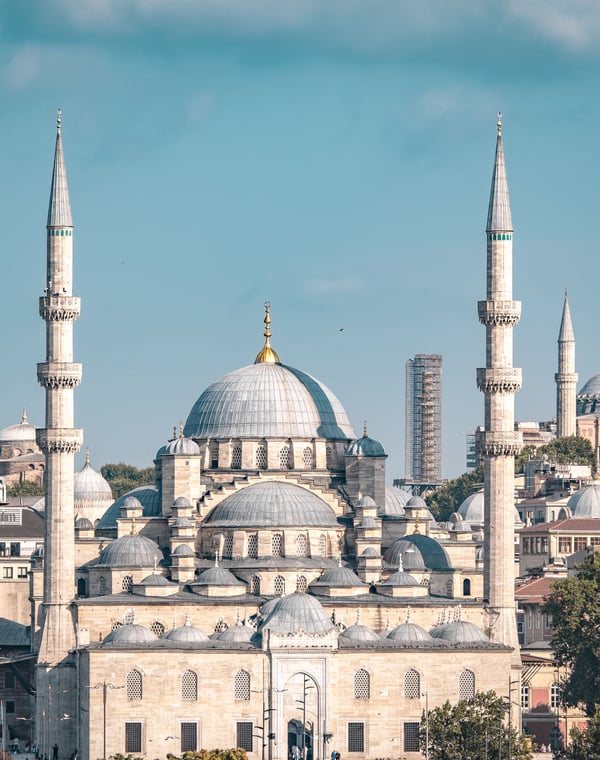
Where you base yourself in Istanbul matters more than in most cities, because the Bosphorus and the sheer size of the place make crossing town a real commitment. The good news: a handful of neighborhoods cover every travel style, and each has a clear personality. Here's how to choose, and who each area suits.
Sultanahmet — best for first-timers and sightseeing
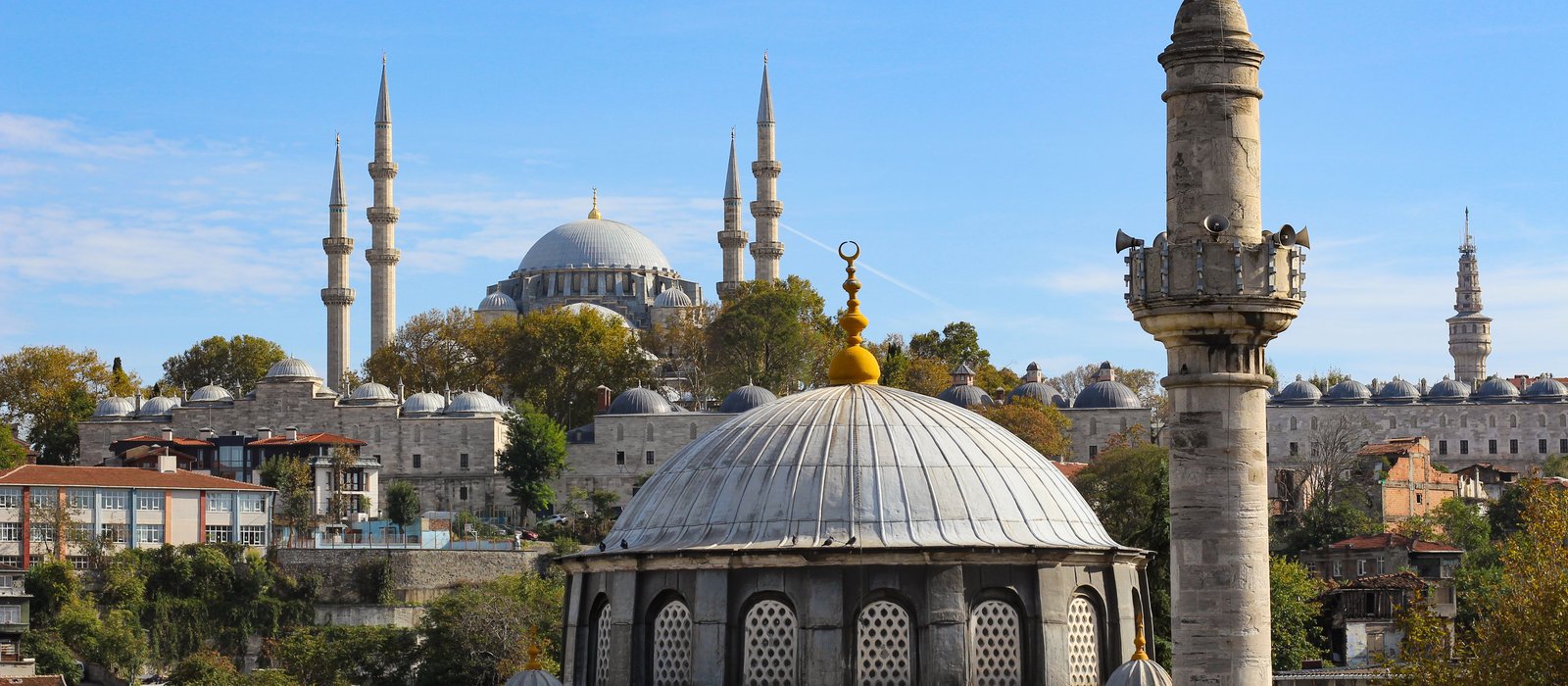
The historic peninsula is where the headline monuments live: Hagia Sophia, the Blue Mosque, Topkapı Palace, and the Basilica Cistern are all within a walkable cluster. If your priority is ticking off the big sights with minimal transit, this is the obvious base. It's well connected by the T1 tram and quiet after dark when the day-trippers leave.
The trade-off: it's the most touristy part of the city, with more souvenir shops than genuine local life, and dining skews toward visitor-oriented restaurants. Great for a first, sightseeing-focused trip; less so if you want to feel like a local.
Who it's for: first-timers, history-focused travelers, anyone on a short trip who wants to walk to everything.
Beyoğlu, Galata & Karaköy — best for nightlife and dining
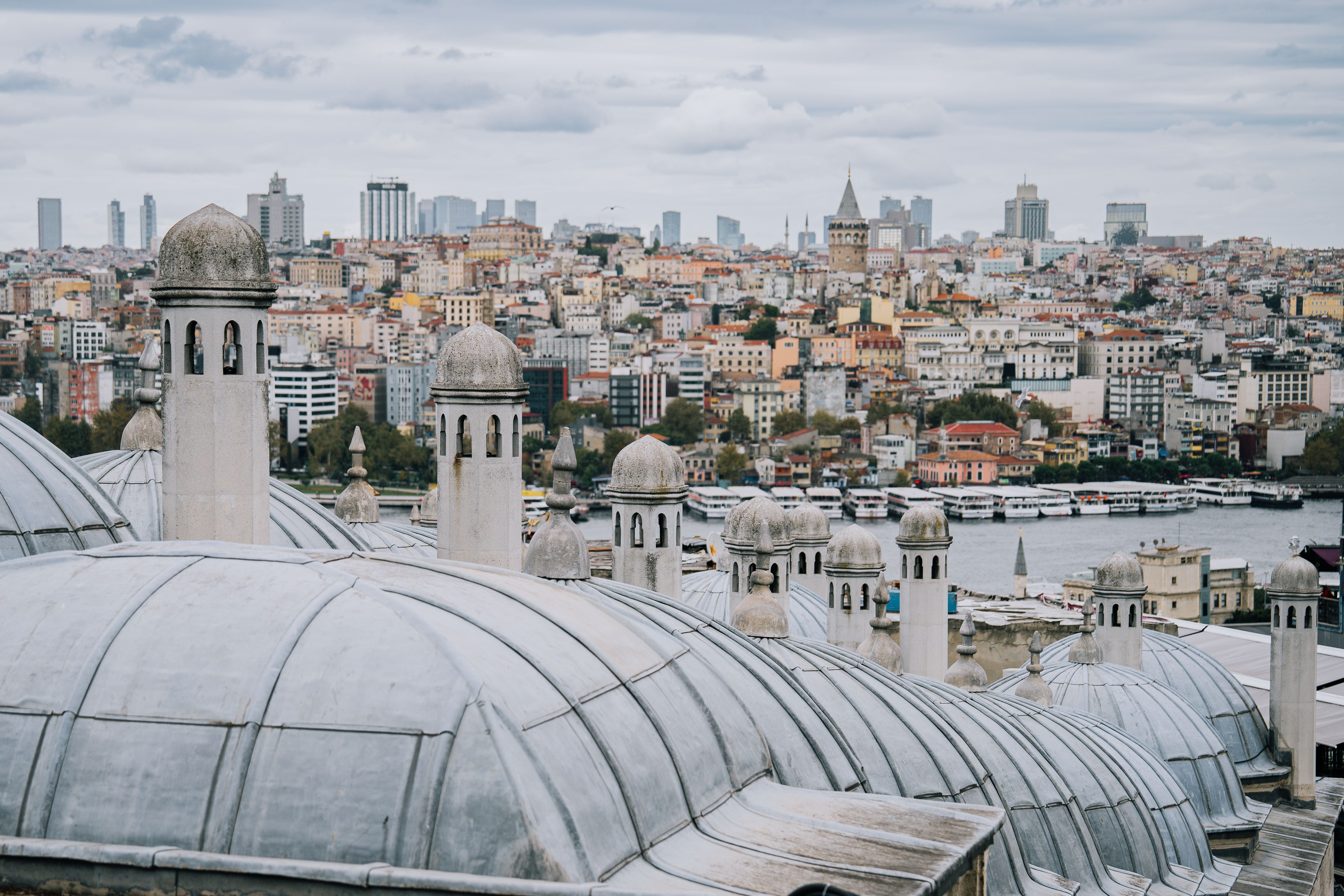
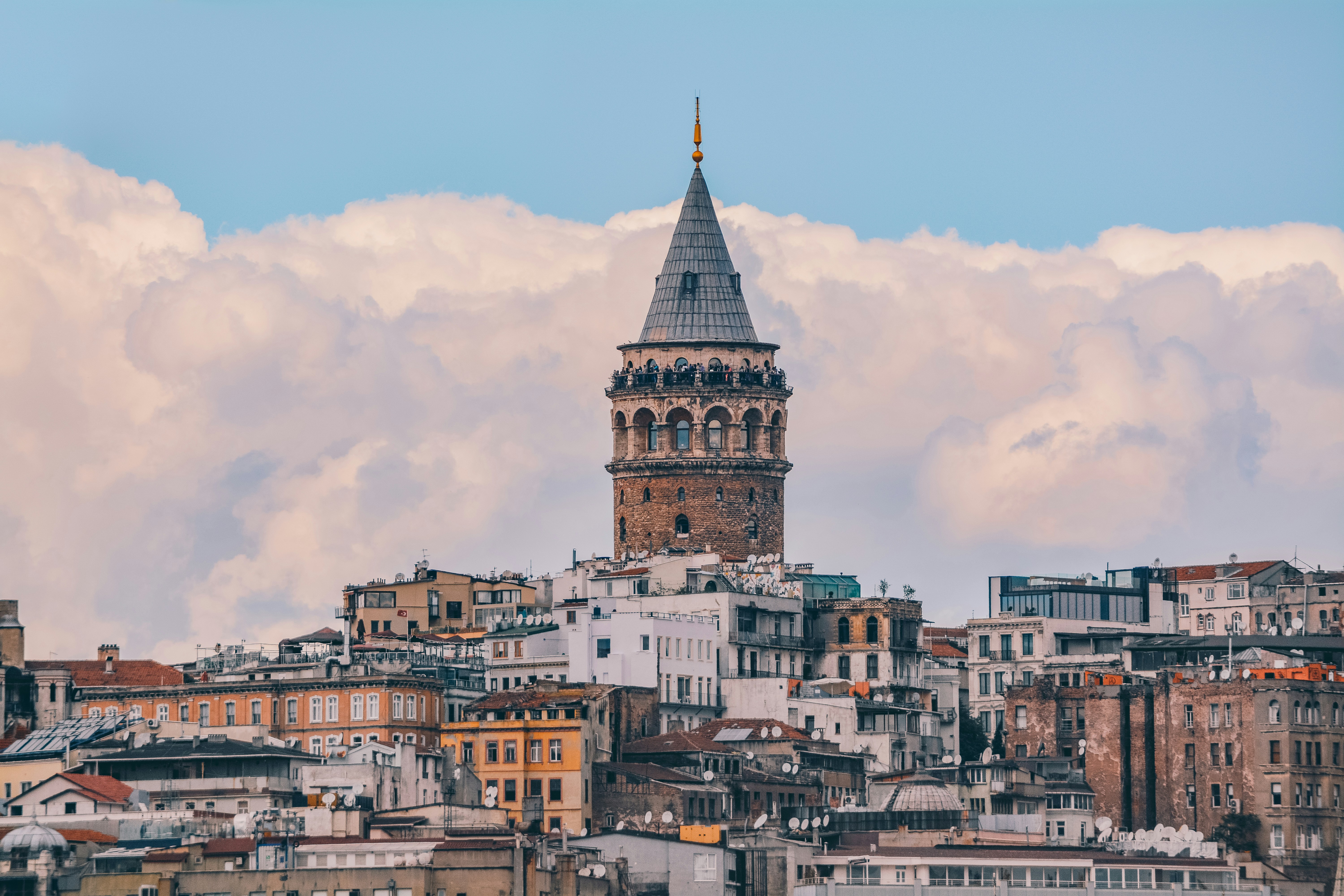
Across the Golden Horn, this trio is the modern, energetic heart of Istanbul. İstiklal Street and the Galata Tower anchor a dense grid of bars, meyhanes (the classic meze-and-rakı taverns), specialty coffee, galleries, and design-forward boutique hotels. Karaköy by the water has become one of the city's best eating-and-drinking quarters.
The trade-off: livelier and noisier, and you'll tram or walk over to Sultanahmet for the major sights — about 15–20 minutes.
Who it's for: foodies, night owls, repeat visitors, and travelers who want their hotel surrounded by life rather than monuments.
Beşiktaş & Nişantaşı — best for upscale calm
North along the European shore, Beşiktaş and the chic Nişantaşı district are upscale, residential, and polished — think designer shopping, leafy streets, and a good base for exploring the Bosphorus waterfront and its palaces. You get a more local, lived-in feel than Sultanahmet with comfort and quiet.
The trade-off: farther from the historic core, so plan on more transit time to the main sights.
Who it's for: travelers who want a refined, residential base and don't mind commuting to the monuments; returning visitors; those drawn to the Bosphorus side of the city.
Kadıköy — best for local life on the Asian side
Cross to the Asian shore and Kadıköy delivers the most authentic, un-touristy stay in the city: a brilliant food market, independent bars and record shops, and a young, creative crowd. The ferry ride back to the European side is one of the great cheap pleasures of Istanbul.
The trade-off: you're a ferry ride from the major sights, so it suits travelers who value neighborhood feel over walking-distance monuments.
Who it's for: repeat visitors, food lovers, and anyone who wants to live like a local rather than sleep next to the landmarks.
A note on getting between areas
Istanbul is bigger than first-timers expect, and the Bosphorus splits it in two, so factor transit into your choice. The T1 tram links Sultanahmet, the Grand Bazaar, and Karaköy/Galata in one straight line — if you stay anywhere along it, you're well placed. Crossing to the Asian side means a ferry (scenic, about 20 minutes) or the Marmaray rail tunnel under the strait. Traffic on the European side can be heavy, so trams, the metro, and ferries usually beat taxis for crosstown trips. If this is a short first visit, staying on or near the tram line saves real time.
What hotels cost
Because the lira has weakened against the dollar, Istanbul offers strong value across the board — from inexpensive guesthouses to genuinely grand Bosphorus-front five-stars that would cost far more in Western Europe. Prices still move with the season and the exchange rate, so check current rates rather than a fixed figure. Spring and fall are the priciest and busiest; winter is the cheapest. Whatever your budget, the best-located rooms in each neighborhood sell out first in shoulder season, so book early if a specific view or address matters to you.
How to pick — and book
For a first trip centered on the historic sights, stay in Sultanahmet. For dining and nightlife with the sights a short tram away, choose Beyoğlu / Karaköy — the best all-rounder for many travelers. For upscale calm pick Beşiktaş / Nişantaşı, and for local immersion, Kadıköy. Whatever you choose, Istanbul hotels span cave-priced guesthouses to landmark Bosphorus five-stars; booking ahead pays off in spring and fall when the best-located places fill first.
FAQ
What is the best neighborhood to stay in Istanbul for first-timers?
Sultanahmet, the historic peninsula. You can walk to Hagia Sophia, the Blue Mosque, Topkapı Palace, and the Basilica Cistern.
Where should I stay in Istanbul for nightlife?
Beyoğlu, Galata, and Karaköy, around İstiklal Street, have the densest concentration of bars, restaurants, and meyhanes.
Is it better to stay on the European or Asian side?
Most first-timers stay on the European side near the sights. The Asian side (Kadıköy) is great for a more local, foodie stay if you don't mind a ferry to the monuments.
Is Sultanahmet too touristy?
It is the most tourist-oriented area, but it's also the most convenient for sightseeing and quiet at night. Many first-timers happily trade local buzz for walkability.
Keep planning
Not sure how it all fits together?
Pick your trip length and we'll point you to the right day-by-day itinerary.