Skip to content
Istanbul · Cappadocia · Ephesus · Antalya · Pamukkale · Bodrum
Turkey for AmericansTurkey, planned for Americans.
Gobeklitepe & Sanliurfa: The World's Oldest Temple

Gobeklitepe & Sanliurfa: The World's Oldest Temple

Editorial
Written & checked for US travelers
·4 min read·Updated June 26, 2026

Near the southeastern city of Şanlıurfa stands a site that has rewritten the story of human civilization: Göbeklitepe, a temple complex roughly 11,000 years old — older than Stonehenge, older than the pyramids, older than writing or the wheel. Paired with the deeply traditional, pilgrimage-rich city of Şanlıurfa, it's one of the most profound stops in all of Turkey. Here's why it matters and how to visit.
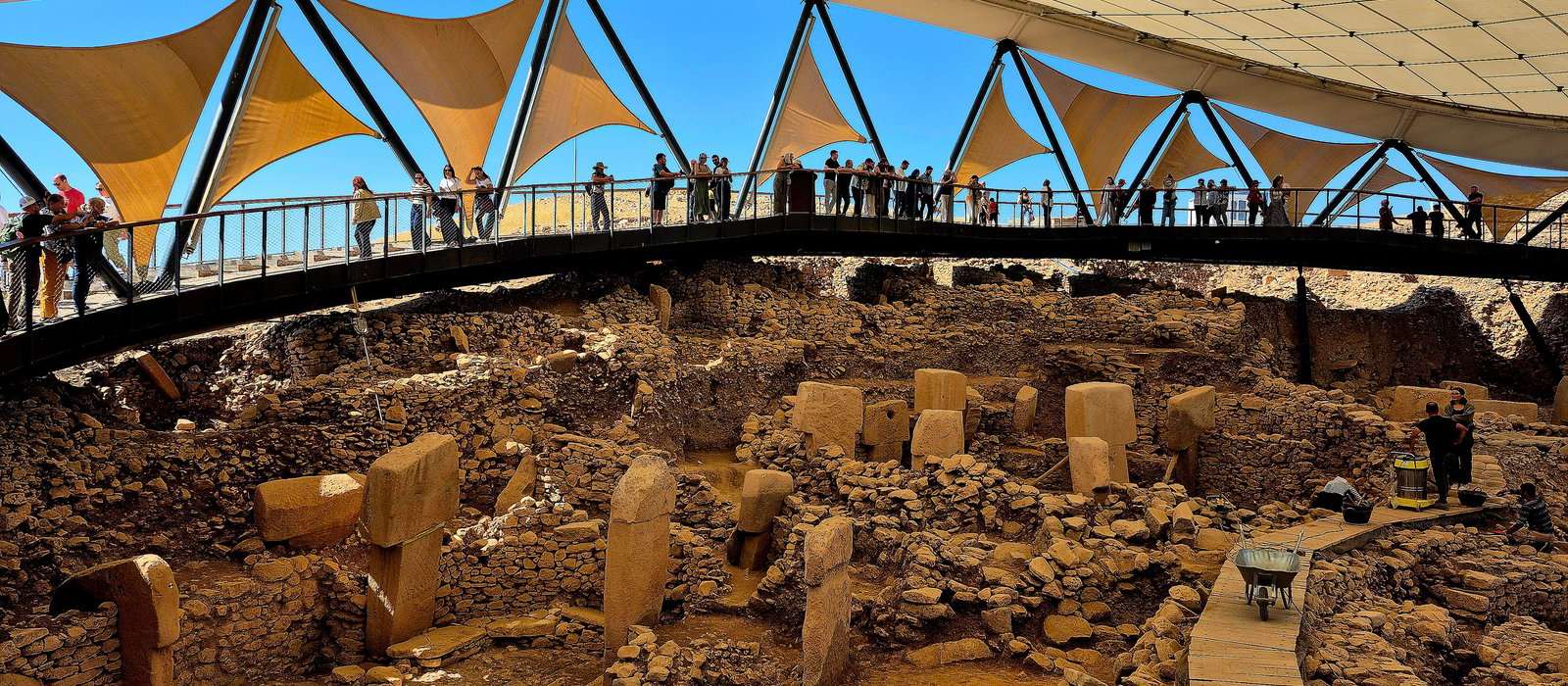
The carved T-shaped megalithic pillars of Göbeklitepe under their protective canopy, no recognizable faces

Why Göbeklitepe matters

For many visitors, the appeal is the sheer mind-bending age of the place. Standing before stones carved when the entire human population were hunter-gatherers — before anyone had domesticated a single crop or animal — reframes how you think about what “ancient” even means. It is, quite literally, a glimpse of the dawn of organized human belief.

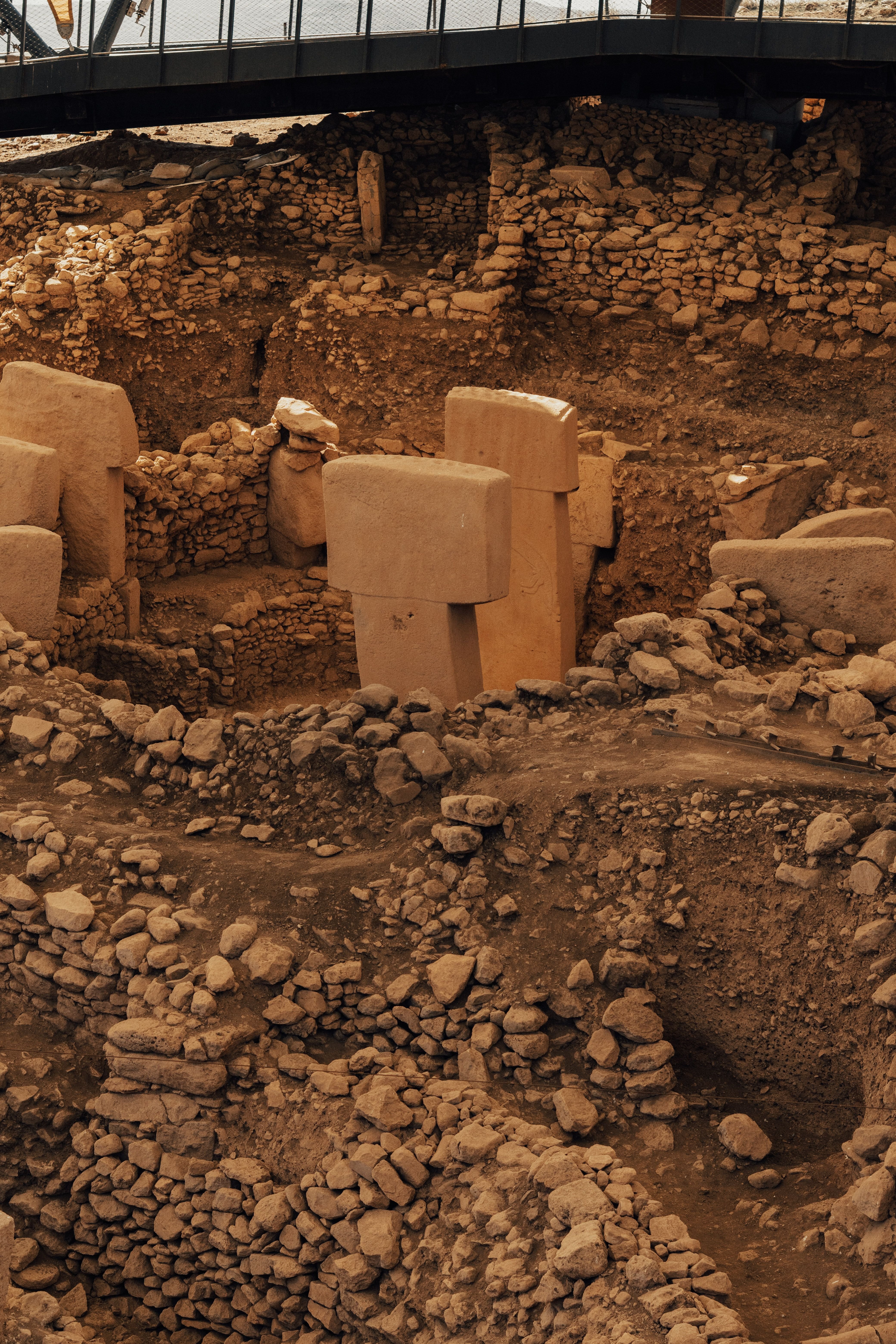
Göbeklitepe upended what archaeologists thought they knew about early humans. Built by hunter-gatherers around 9500 BC — before agriculture, pottery, or permanent settlements — it consists of massive carved T-shaped stone pillars arranged in circles, many decorated with reliefs of animals: foxes, boars, snakes, vultures. The conventional story held that organized religion and monuments came after farming and cities. Göbeklitepe suggests it may have been the other way around — that the impulse to build sacred sites helped drive people to settle. It's now a UNESCO World Heritage Site, sheltered under a modern protective canopy with walkways.

Visiting the site

Göbeklitepe lies about a 20-30 minute drive from central Şanlıurfa. The excavated enclosures are viewed from raised walkways — you don't walk among the stones — and a visitor center provides context; the most spectacular finds are displayed at the superb Şanlıurfa Archaeology Museum in the city, which is worth pairing with the site. A visit to the ruins themselves is fairly short, so combine it with the museum and the city for a full, rewarding day. Going with a guide greatly deepens the experience, as the stones reveal little without their story.
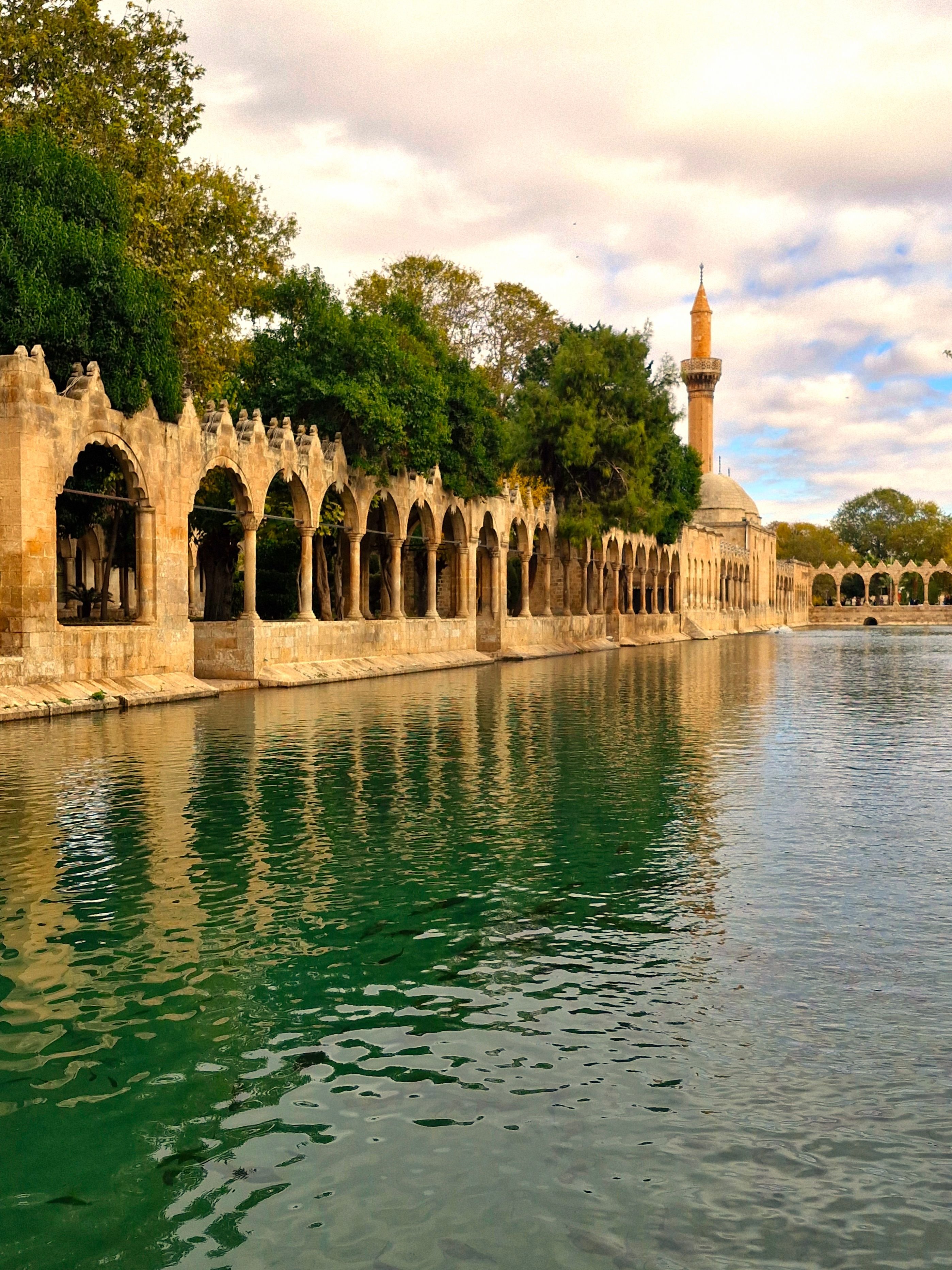
The reflecting pools and courtyards of Balıklıgöl in Şanlıurfa with the old mosque

What you'll actually see — and how to prepare

A practical heads-up: Göbeklitepe is a profound place intellectually, but visually it asks something of you. You're looking at weathered stone circles from walkways, not a towering monument, and without context the significance can be easy to miss — which is exactly why pairing it with the Şanlıurfa Archaeology Museum and a knowledgeable guide transforms the visit. Reading a little about the site beforehand pays off enormously: knowing that these carvings predate the pyramids by some 7,000 years, made by people without metal tools or the wheel, is what gives the quiet stones their power. Go in informed, and a modest-looking hilltop becomes one of the most moving places you'll ever stand.
Şanlıurfa itself

Often just called Urfa, the city is one of Turkey's most atmospheric and traditional. Its spiritual heart is Balıklıgöl, the pool of sacred carp tied to the legend of the prophet Abraham, surrounded by mosques and gardens. The covered bazaar is a working labyrinth of coppersmiths, spice sellers, and tea houses that feels little changed in centuries. This is a devout, conservative city — dress modestly, and be especially respectful around the religious sites. The local cuisine is fiery and excellent; Urfa is famous for its kebabs and the spicy çiğ köfte.

How to get there and when to go

Şanlıurfa has its own airport (GNY) with domestic flights from Istanbul, making it one of the more accessible eastern destinations — fly in, and the city and Göbeklitepe are an easy base for a day or two. It pairs well with Gaziantep and Mount Nemrut on a wider Eastern Turkey loop. Avoid high summer, when the southeastern plains are scorching; spring and fall are far more comfortable. As with the whole region, check your current travel advisory when planning. Thanks to the weak lira, the area is very affordable for Americans.

How long to stay

One to two days is the sweet spot. The Göbeklitepe site itself takes only an hour or two, but pairing it with the Şanlıurfa Archaeology Museum, the sacred pools of Balıklıgöl, and the old bazaar easily fills a rewarding day, with a second day for nearby sites or simply soaking up the city's atmosphere. Şanlıurfa's accessibility by air from Istanbul makes it one of the easier eastern destinations to slot into a trip, and it combines naturally with Gaziantep's food scene and Mount Nemrut for a classic southeastern loop.

FAQ

What is Göbeklitepe?

A roughly 11,000-year-old temple complex of carved T-shaped stone pillars built by hunter-gatherers — the world's oldest known monumental religious site, predating farming, writing, and the pyramids.

Can you walk among the stones at Göbeklitepe?

No — the enclosures are viewed from raised walkways under a protective canopy to preserve the site. The best artifacts are in the Şanlıurfa Archaeology Museum.

How do I get to Göbeklitepe?

Fly to Şanlıurfa (GNY) from Istanbul; the site is a 20-30 minute drive from the city. It pairs well with Gaziantep and Mount Nemrut.

What else is there to see in Şanlıurfa?

The sacred carp pools of Balıklıgöl, the historic covered bazaar, the archaeology museum, and the city's renowned spicy cuisine.

Keep planning
Not sure how it all fits together?

Pick your trip length and we'll point you to the right day-by-day itinerary.

Find your itinerary →