Ankara is Turkey's capital and second-largest city — a planned, governmental, distinctly modern place that surprises visitors expecting another Istanbul. Most American travelers don't base a trip here, but Ankara rewards a day for its world-class museum, the moving monument to Turkey's founder, and an atmospheric old castle quarter. Here's what to see and how it fits a wider itinerary.
Ankara, briefly
When the Turkish Republic was founded in the 1920s, Atatürk made Ankara the capital instead of Istanbul, and the city was largely built to suit that role — broad avenues, ministries, and embassies. The result is greener, calmer, and more orderly than Istanbul, with a strong cafe and student culture but fewer blockbuster sights. Think of it as a capital to dip into, not a beach-and-bazaar holiday town.
Setting expectations
It's worth being honest about what Ankara is and isn't. It's a modern administrative capital, not a postcard tourist city — you won't find the Ottoman romance of Istanbul or the drama of Cappadocia here. What you will find is one of Turkey's best museums, a monument central to the nation's identity, a walkable old citadel, and a genuine, un-touristy slice of contemporary Turkish urban life. Travelers who arrive expecting another Istanbul leave underwhelmed; those who come for the museum and a feel for the modern republic find a worthwhile day. Frame it as a cultural stop, and Ankara delivers.
The must-see sights
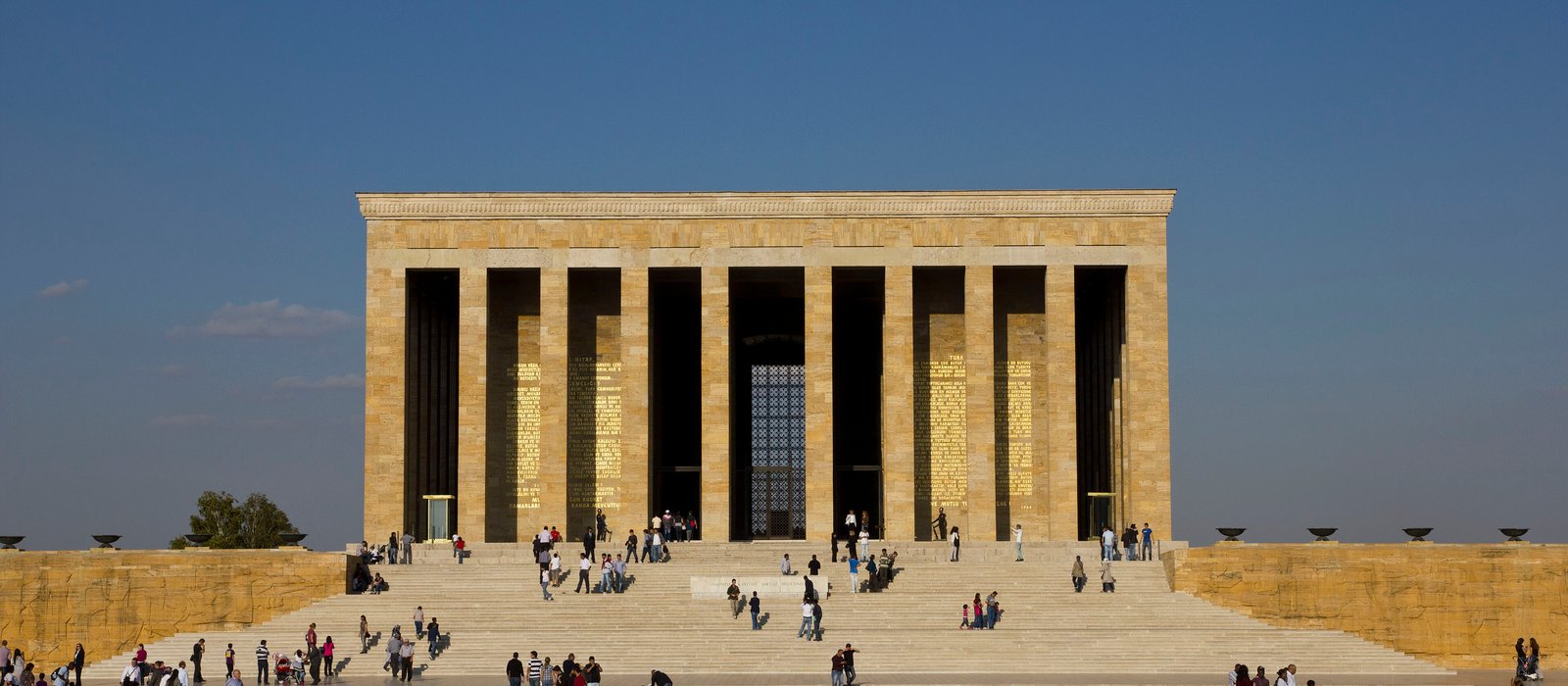
Anıtkabir — the vast, solemn mausoleum of Mustafa Kemal Atatürk, Turkey's founding father. Set on a hill with a ceremonial colonnade, an honor guard, and an extensive museum, it's the city's defining site and deeply important to Turks — visit respectfully.
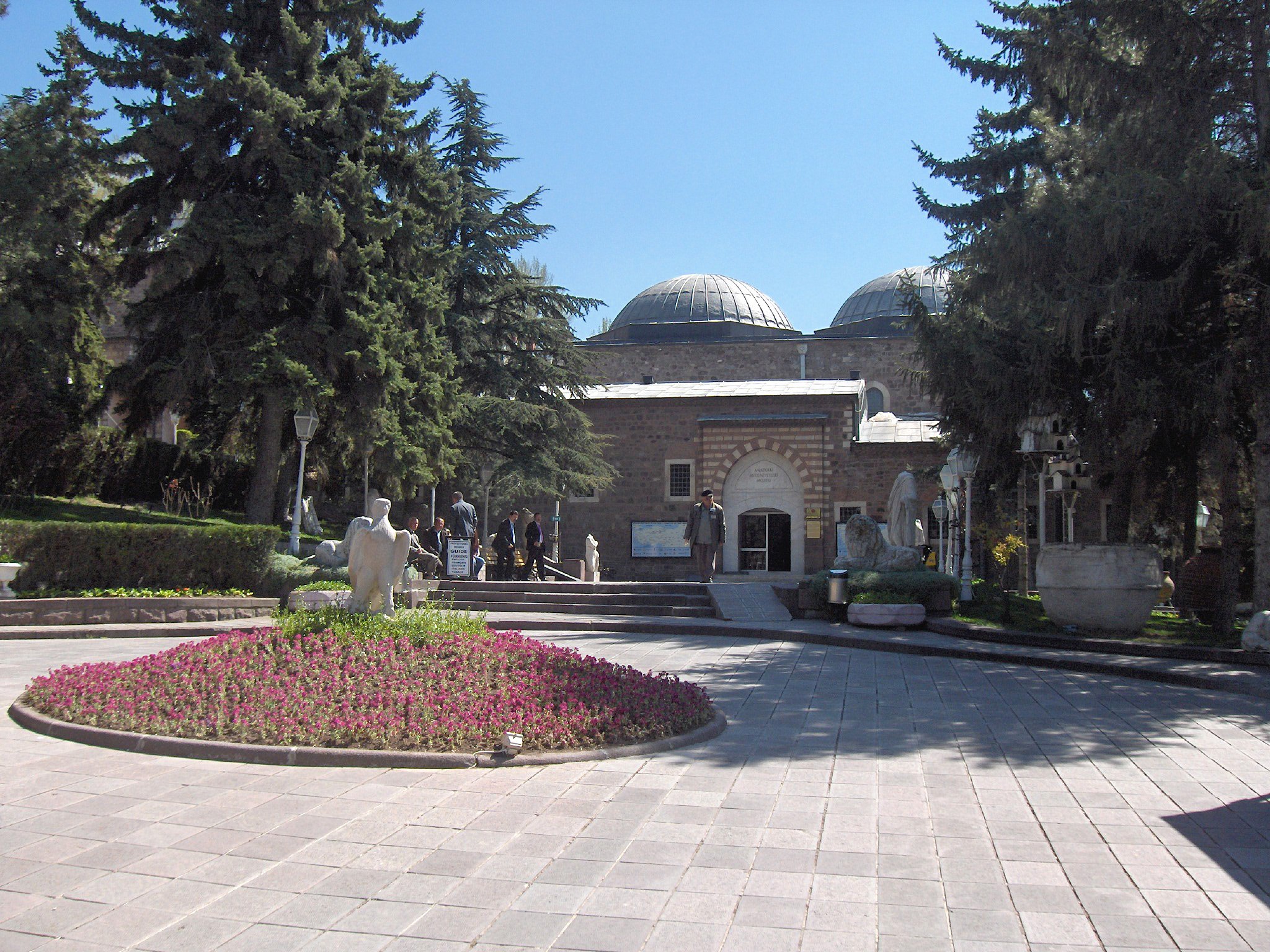
Museum of Anatolian Civilizations — one of the finest museums in the country, tracing the region's history from the Stone Age through the Hittites and beyond. Genuinely world-class, and the single best reason to stop in Ankara.
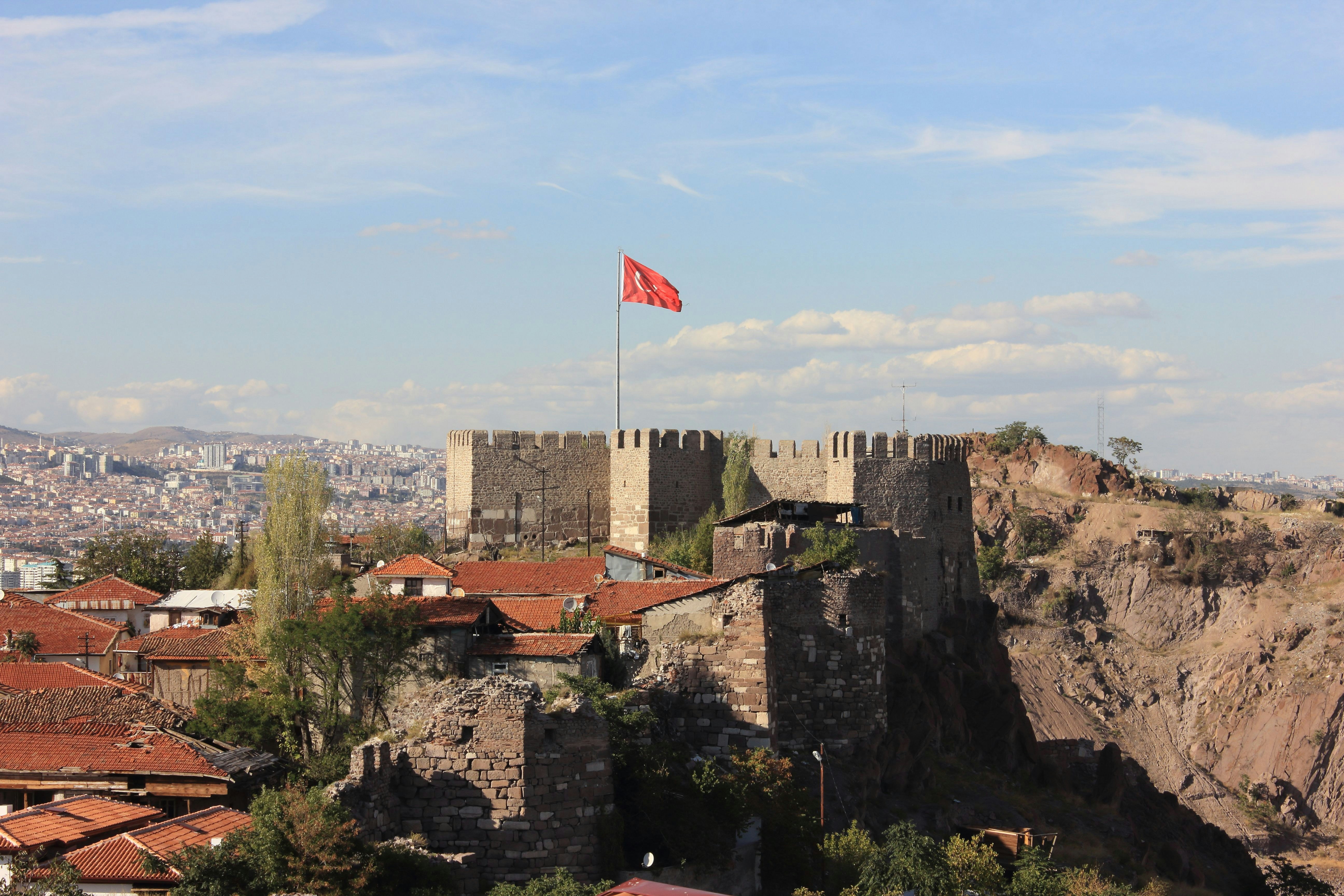
Ankara Castle (Hisar) — the old citadel quarter, with restored Ottoman houses, antique shops, cafes, and city views from the walls.
Kocatepe Mosque — a large modern mosque in classical Ottoman style.
A bit more on the Museum of Anatolian Civilizations
If you see only one thing in Ankara, make it this museum, repeatedly rated among the best in Turkey. Housed in a restored 15th-century covered market and inn, it walks you chronologically through the cradle of civilization that is Anatolia — Paleolithic tools, the famous Neolithic finds from Çatalhöyük, and an unrivalled collection of Hittite artifacts and monumental stone reliefs. For Americans whose sense of "ancient" usually starts with Greece or Rome, the museum is a revelation: it reaches back thousands of years earlier, to cultures most visitors have never heard of. Allow a couple of unhurried hours.
How to get there and around
Ankara is well connected: a short domestic flight from Istanbul to Esenboğa Airport (ESB), or — more scenic — the high-speed train (YHT) that links Istanbul, Ankara, and Konya. The high-speed rail makes Ankara an easy stop between other destinations. In the city, a metro and buses cover the main areas; the castle quarter and central districts are walkable.
Where to stay and eat
Most visitors base around Kızılay, the lively central district full of cafes, bookshops, and students, or near the castle quarter for atmosphere. Ankara has a strong cafe culture and good, unpretentious restaurants — try the local Ankara tava (a baked lamb-and-rice dish) and the city's well-known dried-fruit and pastry shops. As a working capital rather than a tourist town, prices are reasonable and the food is aimed at locals, which often means better value and authenticity than tourist-strip dining elsewhere.
How Ankara fits a Turkey trip
For most first-timers focused on Istanbul, Cappadocia, and the coast, Ankara is optional — but it makes a logical stop if you're traveling by high-speed train, or as a gateway pairing with Konya in central Anatolia. A single day covers Anıtkabir, the Museum of Anatolian Civilizations, and the castle quarter comfortably. Like the rest of Turkey, it's excellent value for Americans thanks to the weak lira; check current rates when booking. If you are routing overland between western Turkey and Cappadocia, breaking the journey in Ankara for the museum and Anitkabir turns a long travel day into a genuine cultural stop, and the high-speed train makes the logistics painless.
FAQ
Is Ankara worth visiting?
For a day, yes — chiefly for the world-class Museum of Anatolian Civilizations and the moving Anıtkabir mausoleum. It's a modern capital rather than a tourist-heavy holiday city.
Is Ankara the capital of Turkey?
Yes. Ankara has been the capital since the 1920s; Istanbul is the largest city but not the capital.
How do I get from Istanbul to Ankara?
A short domestic flight to Esenboğa (ESB), or the scenic high-speed train (YHT) that also continues to Konya.
How long do I need in Ankara?
One day is enough to see Anıtkabir, the Museum of Anatolian Civilizations, and the castle quarter.
Keep planning
Not sure how it all fits together?
Pick your trip length and we'll point you to the right day-by-day itinerary.