Istanbul · Cappadocia · Ephesus · Antalya · Pamukkale · Bodrum
Turkey for AmericansTurkey, planned for Americans.
The Activities That Void Travel Insurance in Turkey

The Activities That Void Travel Insurance in Turkey

Editorial
Written & checked for US travelers
·5 min read·Updated July 29, 2026
On this page
  1. 01The standard exclusion families
  2. 02The balloon: two insurance policies, one flight
  3. 03The licence condition inside the two-wheeler exclusion
  4. 04Why an activity exclusion is bigger than it looks
  5. 05FAQ

The things people fly to Turkey to do — float over Cappadocia at sunrise, run a scooter along the coast road, step off Babadağ under a parachute — sit unusually close to the lines a travel policy draws around itself. That isn't a Turkish problem. It's that Turkey's signature experiences happen to fall into the categories insurers write exclusions about.

This guide describes those categories and how they're normally worded. It doesn't arbitrate any policy: exclusion wording varies between insurers and between plans from the same insurer, and only your own schedule governs your trip.

The standard exclusion families

Motorised two-wheelers

Standard travel policies commonly exclude or restrict motorbike, scooter and quad use; where cover is available it's typically conditional on holding a valid home-country licence for the vehicle class, complying with local law, and wearing a helmet, and some policies require an optional motorcycle pack or exclude larger engines and off-road use outright.

The detail that does the work here is the licence condition, and it's covered in its own section below.

Alcohol

Standard wordings exclude or limit cover for injury or illness sustained while under the influence of alcohol or drugs where the influence caused or contributed to the loss, or where blood-alcohol exceeded the legal limit while operating a vehicle. Note the causal test — this is usually written as a contribution clause rather than a blanket ban on having had a drink.

Water and air sports

Scuba diving and paragliding — including tandem flights at Ölüdeniz — are commonly classified as adventure or hazardous activities, often excluded from base policies or covered only under an optional extension subject to depth or height limits and licensed-operator requirements.

The balloon: two insurance policies, one flight

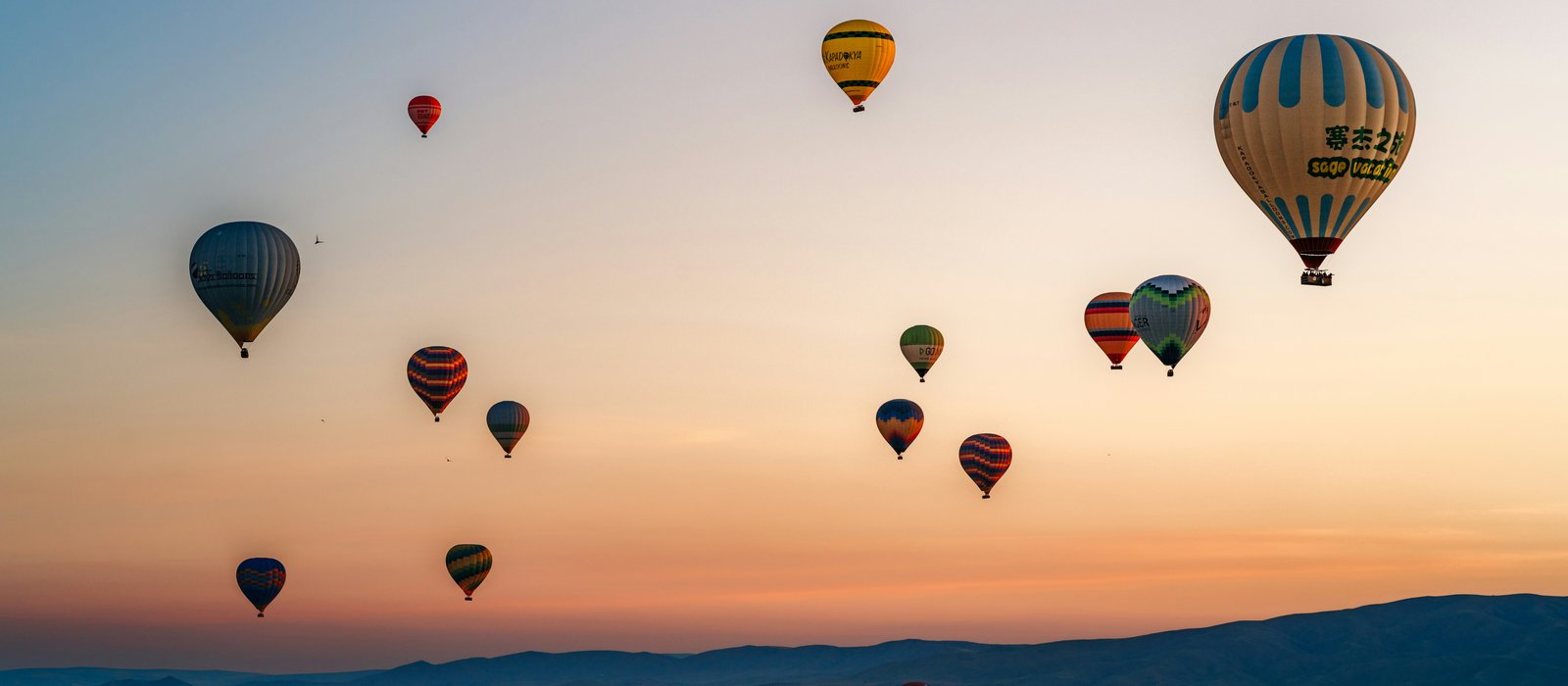
The Cappadocia balloon flight deserves its own section because two entirely different insurance arrangements apply to it, and travelers routinely assume one covers what the other doesn't.

How your travel policy classifies it

Hot-air ballooning is frequently treated as either an aviation activity or an adventure sport, and many standard travel policies exclude it under one of those clauses unless the policy explicitly lists commercial hot-air ballooning as covered or an adventure-activity add-on has been bought.

Which clause it falls under matters, because they're different parts of the document. An aviation exclusion tends to be broad and structural; an adventure-sports exclusion tends to come with a schedule of activities and an add-on that buys some of them back.

What the operator's insurance covers

Turkish balloon operators fly under civil aviation licensing and are required to carry passenger liability insurance. That cover addresses the operator's legal liability for death or bodily injury occurring during the activity — it does not cover the passenger's own medical, evacuation, trip-cancellation or personal-belongings costs, which remain with the passenger's own travel policy and subject to that policy's terms.

So the two policies answer different questions. The operator's answers is the operator liable? Yours answers who pays for your treatment, your evacuation and the rest of your trip? A licensed operator with valid liability cover and a traveler whose own policy excludes ballooning can both be true at once, and the gap between them is where the passenger sits.

The same structure applies to other licensed activity operators — diving centres, paragliding schools, jeep-safari outfits. Operator liability is not passenger cover.
The licence condition inside the two-wheeler exclusion

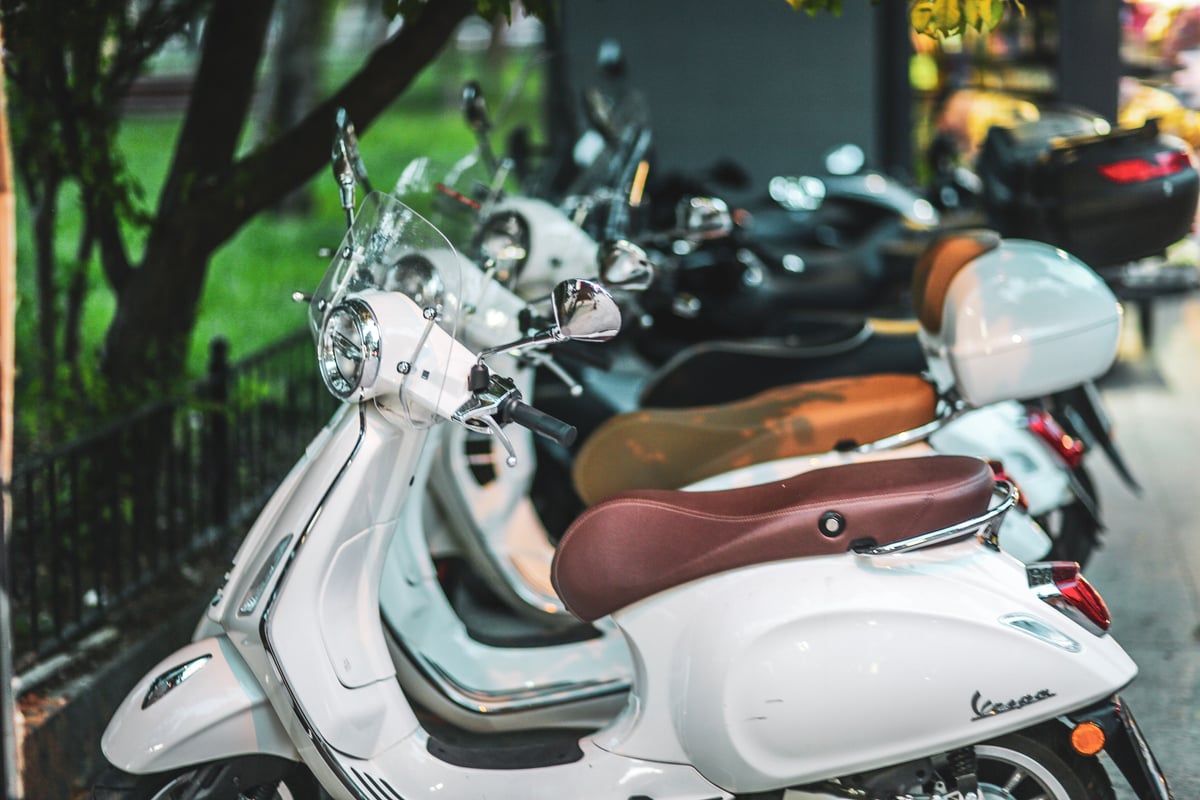
The scooter exclusion is the one most often misread, because the exclusion isn't usually absolute — it's conditional, and the condition is a licence.

Where two-wheeler cover is granted, policies typically require the rider to hold a valid licence issued in their home country authorising that class or engine size, plus compliance with local licensing rules, which often includes an International Driving Permit where the destination requires one.

Three separate thresholds hide in that sentence, and they don't have to agree with each other:

  • What the rental shop asks for — a commercial decision made at a counter.
  • What Turkish law requires — a matter of local licensing rules.
  • What your insurer requires — a contractual condition on cover.

A rental shop handing over keys is not a statement that your insurer would pay. The licence chain is covered in more detail in the guide to renting a car in Turkey.

scooters parked in a row on a Turkish coastal street, no riders, no faces, no visible plates

Why an activity exclusion is bigger than it looks

An exclusion doesn't only remove the activity from cover. It usually removes claims arising from that activity, which means the medical section — the part with the largest realistic exposure — can be unavailable for an injury sustained doing it.

That is why the scooter and the balloon show up in a discussion about hospital bills rather than in a discussion about adventure sports. The exclusion is written in the activities schedule; the consequence lands in the medical section.

How these exclusions interact with what Turkish hospitals actually bill, and with the parts of a trip that are already paid for, runs across several of these guides. The complete Turkey trip guide traces those connections in one place.

FAQ

Is the Cappadocia balloon flight covered by travel insurance?

It depends on the policy. Ballooning is frequently treated as an aviation activity or an adventure sport and excluded from base policies unless commercial hot-air ballooning is explicitly listed or an adventure add-on has been purchased. The clause it falls under differs between insurers.

Doesn't the balloon company's insurance cover me?

It covers something different. Operator liability insurance addresses the operator's legal liability for injury during the activity, not the passenger's own medical, evacuation or trip-interruption costs.

Can I rent a scooter on my US licence?

What a rental shop accepts, what Turkish law requires and what your insurer requires are three separate thresholds. Policies granting two-wheeler cover typically require a valid home licence for that vehicle class plus compliance with local licensing rules, often including an International Driving Permit.

Is paragliding at Ölüdeniz excluded?

Paragliding is commonly classified as an adventure or hazardous activity, excluded from base policies or covered only under an optional extension with conditions attached — a tandem flight with a licensed operator is still the traveler's activity for policy purposes.

Does one drink void my cover?

The wording is usually causal rather than absolute. Cover is excluded or limited where the influence of alcohol caused or contributed to the loss, or where blood-alcohol exceeded the legal limit while operating a vehicle.